Supercars.parts: Owners’ Fast Route to VIN Tagged Exotic Car Dismantlers
The fastest reliable route to authentic exotic car parts is a specialist marketplace with deep inventory, backed by dismantlers who VIN-tag and photograph everything they sell. A specialist marketplace is a strong starting point for this exact reason: a large number of listings and an AI search tool that matches parts to your VIN or part number in seconds. Search your VIN first, then request a condition report before you buy.
TL;DR:
- Specialist marketplaces provide a wide inventory and AI search tools that match parts directly to VIN or part numbers within hours or days.
- For rare parts from brands like Ferrari, Lamborghini, and McLaren, marketplaces offer better access than salvage yards, which mainly stock more common components.
- Verifying seller transparency through VIN matching, condition reports, and inspection results is crucial before purchasing, especially for high-value exotic parts.
- Shipping times range from 3 to 10 days domestically, with export logistics adding extra days, and professional dismantling recovers parts at up to 70% less cost than new OEM components.
- High-quality support and clear return policies are indicators of reputable dismantlers, with environmental compliance handling fluids, airbags, and hazardous materials strictly regulated.
Table of Contents
- Are Exotic Car Dismantlers the Right Source for Rare Parts?
- Which Source Should You Choose: Marketplace, Dismantler, or Salvage Yard?
- What Does Exotic Car Dismantling Actually Involve?
- How Do You Vet a Dismantler Before You Buy?
- What Should You Expect on Shipping, Timing, and Cost?
- How Supercars.parts Simplifies the Search
- Which Brands Have the Deepest Aftermarket for Used Parts?
- What Warranty or Return Protection Should You Expect on Used Parts?
- How Do Dismantlers Handle Environmental Compliance?
- What Kind of Customer Support Should You Expect After the Sale?
- Where Do You Find Rare or Custom Exotic Parts?
- How Do You Judge a Dismantler’s Reputation Before Buying?
- Reuse and Provenance: A Publisher’s Take on Sourcing Priorities
- Ready to Search for Your Part?
- Sources
Are Exotic Car Dismantlers the Right Source for Rare Parts?
Yes, and for one clear reason: exotic car dismantlers and the marketplaces that sell their inventory are usually the only realistic source for parts that Ferrari, Lamborghini, or Bentley stopped stocking years ago. This is where the term “exotic car dismantlers” gets confusing, though. Most buyers use it loosely to mean anyone selling used supercar parts, but the industry actually splits into distinct roles: dismantlers physically break down donor vehicles, salvage yards inventory and resell what’s left, and marketplaces aggregate listings from both so you can search across sellers at once.
Knowing which one you’re dealing with changes what you should expect. A dismantler quotes you a price and a lead time because they’re pulling the part off a car. A salvage yard already has it on a shelf, or claims to. A specialist marketplace doesn’t dismantle anything itself. It connects you to sellers who do, and it can be built specifically for high-end vehicle dismantling and rare car dismantlers whose inventory doesn’t show up on general auto parts sites.
None of the three is universally “better.” A one-off carbon fiber splitter for a Lamborghini Huracán might only exist at one dismantler in the country. A common Porsche 911 alternator might be sitting in forty salvage yards. The right move is matching the part’s rarity to the source’s reach, which is exactly what the next section breaks down.
Which Source Should You Choose: Marketplace, Dismantler, or Salvage Yard?
Here’s how the three routes stack up on the things that actually matter when you’re sourcing luxury car parts recycling and rare components.
| Factor | Specialist marketplace | Certified dismantler | Traditional salvage yard |
|---|---|---|---|
| Specialty brands served | Wide, aggregates Ferrari, Lamborghini, McLaren, Bentley, Rolls-Royce and more | Often focused on 1 to 3 brands | Mixed inventory, exotic stock inconsistent |
| Services offered | Search, listings, seller connections, whole-car sales | Full dismantle, pick-a-part, front-cut, crate-ready kits | Pick-a-part, occasional front-cut |
| Shipping & export support | Varies by seller, aggregated options | Often built-in, including export paperwork support | Limited, usually domestic only |
| Traceability / VIN tagging | Depends on seller disclosure | Standard practice at certified operations | Inconsistent, ask directly |
| Typical turnaround | Hours to days to locate, ships per seller | 3 to 10 days for pulled and tested parts | 1 to 5 days if part is in stock |
Use a marketplace when you don’t know which specific dismantler has your part. That is the value proposition: one search instead of many phone calls. Go straight to a certified dismantler when you need something pulled, tested, and documented to order, like a low-mileage engine with full history. Save salvage yards for common wear items on somewhat exotic cars, think Porsche or Maserati body panels, where rarity is lower and price matters more than provenance.
Pro Tip: If a part exists on more than one platform, compare seller-provided VIN documentation before price. A cheaper part with no traceability usually costs more once you factor in fitment risk.
What Does Exotic Car Dismantling Actually Involve?
Dismantling isn’t one process. It’s four, and the terminology matters when you’re requesting a quote or reading a listing:
- Full teardown. The entire vehicle is stripped to the frame, every component cataloged, inspected, and listed individually. This is standard for total-loss exotics with unusable frames but salvageable drivetrains.
- Front-cut or half-cut. The front clip, including engine, transmission, wiring harness, and front suspension, is removed as one unit. Common for engine swaps and buyers wanting matched components that were running together.
- Pick-a-part. You (or a broker) identify the exact part needed, and the dismantler pulls it on request rather than pre-stripping the car.
- Crate-ready kits. Pre-tested, pre-packed component sets, engine plus wiring plus ECU, prepared for shipment without buyer involvement in the pull.
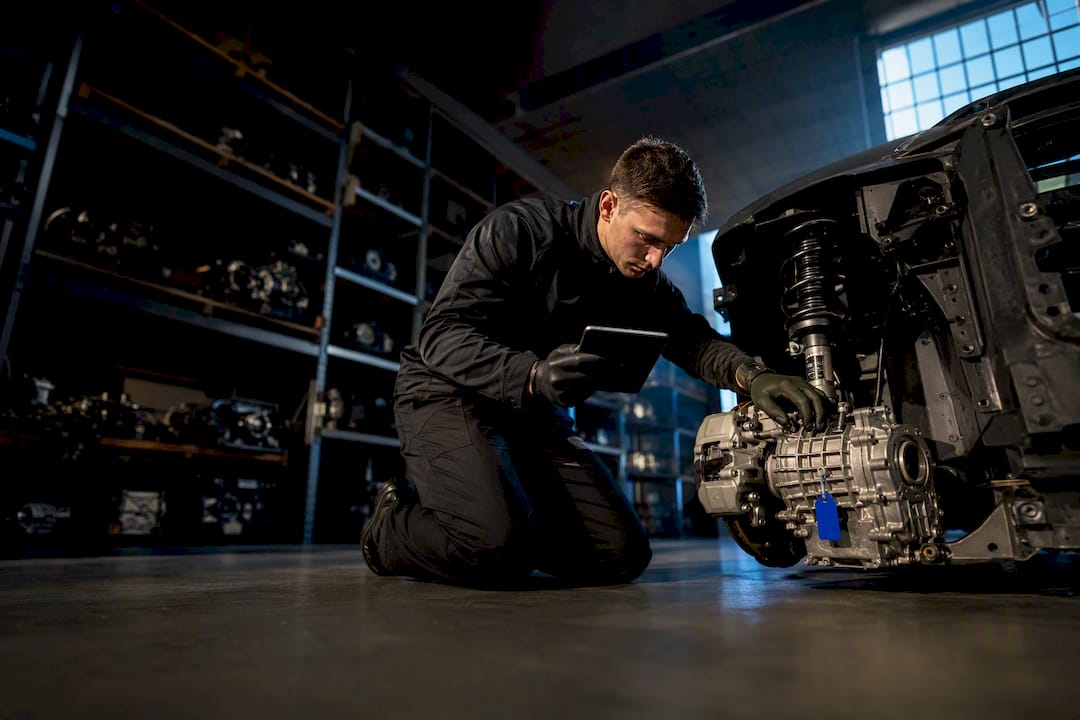
Reputable operations follow a consistent inspection routine: visual grading, compression or bench testing where applicable, then photo documentation before listing. High-value items like engines, ECUs, and carbon fiber body panels get extra handling, including careful wiring harness preservation to avoid damaging connectors during removal. Airbags get neutralized and fluids drained before anything ships, standard safety steps that also happen to be required for legal transport.
How Do You Vet a Dismantler Before You Buy?
Ask these questions before you send money, not after:
- Can you provide the donor VIN and match it to the part you’re selling me?
- Do you have dated photos of the actual part, not stock images?
- Was this part bench-tested, and can you share results?
- What’s your return window if fitment fails?
- Do you handle export documentation, or is that on me?
The trust signals worth verifying line up with what BMW’s own Recycling and Dismantling Centre has helped standardize across the industry over three decades: VIN tagging, documented inspection, and consistent packaging before shipment. A seller who follows these practices will show you the paperwork without hesitation.
Red flags are usually obvious once you know what to look for. No photos of the actual unit, only stock images. Vague answers about donor vehicle history. Reluctance to put a return policy in writing. If a seller won’t verify provenance after a direct request, walk away. The exotic parts market has enough legitimate supercar dismantlers that you don’t need to gamble on one that won’t answer basic questions.
What Should You Expect on Shipping, Timing, and Cost?
Most reputable exotic auto salvage operations move through inspection, testing, and packing within a week of a confirmed sale, though rare parts requiring a dedicated pull from a donor vehicle can add several days. Export adds its own timeline: customs paperwork, VIN documentation for the part’s origin, and specialized crating for anything with hazardous fluid residue or lithium components.
- Domestic buyers: typically 3 to 10 business days from order to ship, depending on whether the part is already pulled or needs to come off a donor car.
- International buyers: add time for customs clearance and export paperwork, which experienced exporters handle as standard practice rather than an afterthought.
- Fluid removal and pyrotechnic neutralization happen before anything leaves the facility, non-negotiable for legal shipment.
On price: used and reclaimed OEM parts recovered through professional dismantling can run up to 70% more affordable than new components, according to Stellantis’s SUSTAINera reuse program, while still carrying documented quality and traceability. That gap is even wider on exotic platforms, where a new OEM Lamborghini engine assembly can run into six figures.
How Supercars.parts Simplifies the Search
Finding one specific part across dozens of scattered dismantlers used to mean cold calls and forum posts. A specialist marketplace consolidates that search into one place, with a large inventory spanning Ferrari, Lamborghini, McLaren, Aston Martin, Rolls-Royce, and more, plus an AI-driven search tool built specifically to match rare part numbers and VIN fragments instead of relying on keyword guessing.
Getting the most out of it comes down to a few habits:
- Search by VIN first when you know the donor vehicle, it narrows results to exact-fit components instead of “compatible with.”
- Set saved alerts for hard-to-find parts so you’re notified the moment a matching listing appears.
- Request a condition report and verified photos directly through the listing before committing to purchase.
- Compare multiple sellers’ documentation rather than accepting the first listing that matches your search.
The platform also facilitates whole-vehicle listings, useful if you’re evaluating a supercar donor car rather than a single component, letting you weigh a full teardown project against buying individual parts as needed.
Which Brands Have the Deepest Aftermarket for Used Parts?
Not every exotic brand gets the same dismantling attention, and that affects what you’ll actually find in stock.
Ferrari and Lamborghini dominate the specialist salvage space simply because volume creates supply. Enough of both brands have hit the road over the past three decades that engines, transmissions, and body panels circulate steadily through dedicated salvage inventories. Porsche parts are arguably the easiest to source of the five, since the brand’s production numbers dwarf the others and its parts often cross-fit across multiple model years.
Maserati and Bentley sit in trickier territory. Lower production volumes mean fewer donor vehicles enter the dismantling pipeline, so rare interior trim or brand-specific electronics can take longer to locate. This is precisely where a marketplace’s aggregation matters most: a single Bentley Continental donor car might be the only source for a part in the entire country, and without a searchable platform, you’d never know it existed.
Mechanics and restorers working on these five brands should expect drivetrain components to be the easiest category to find used, while interior trim, brand-specific electronics modules, and exterior badging tend to be the tightest supply.
What Warranty or Return Protection Should You Expect on Used Parts?
Warranty terms on used exotic parts vary more than buyers expect, and that variation is exactly why you confirm terms before purchase rather than after a part fails to fit.
Reputable dismantlers typically offer a short inspection window, often 7 to 30 days, covering fitment and basic functionality but rarely full mechanical failure. Electrical components and ECUs sometimes carry shorter windows since bench testing can’t always catch every failure mode that shows up under real driving conditions. Engines and transmissions occasionally come with a limited runtime guarantee if the seller performed compression or dynamometer testing before listing.
What you almost never get on used parts is a warranty matching new OEM coverage, and any seller claiming otherwise deserves a second look. The realistic expectation is a fitment guarantee plus a documented condition report, not a multi-year mechanical warranty. Read the return policy for restocking fees too. Some sellers charge 10 to 20% on returned parts that weren’t defective, just a poor fit, which matters if you’re ordering something expensive on a guess.
Always get the warranty terms in writing before payment, not as a verbal assurance. A seller unwilling to put return terms in an email or listing description is telling you something about how they’ll handle a dispute later.
How Do Dismantlers Handle Environmental Compliance?
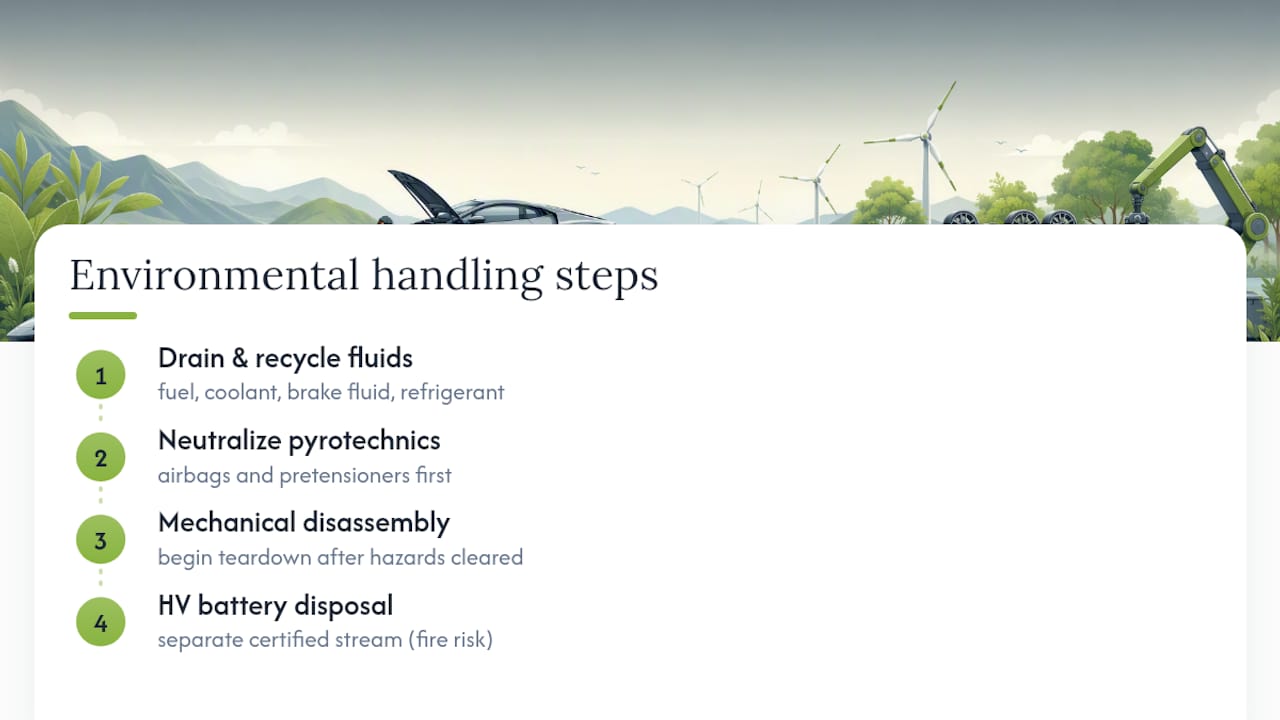
Dismantling an exotic car involves genuinely hazardous material, not just scrap metal, and requires adherence to professional diagnostic and testing practices to ensure safe and compliant component handling. Fuel, coolant, brake fluid, and air conditioning refrigerant all require proper draining and disposal before a vehicle gets cut apart, and airbags and seatbelt pretensioners contain pyrotechnic charges that must be neutralized first.
Facilities that follow standardized practices, the kind BMW’s Recycling and Dismantling Centre has spent decades refining, treat this as a sequential process: fluids drained and recycled first, hazardous components neutralized second, then mechanical disassembly begins. Batteries, particularly the high-voltage packs in hybrid exotics like certain Ferrari and Lamborghini models, get routed through separate certified disposal streams because of fire risk.
Ask a dismantler about their fluid recovery and battery handling process if you’re buying from a facility you don’t already trust. A shop that can’t explain how it handles hazardous material during teardown likely isn’t following basic environmental standards, and that’s a liability that can extend to how carefully they handled the part you’re buying.
What Kind of Customer Support Should You Expect After the Sale?
Support quality on exotic parts separates serious operations from opportunistic ones fast. Before you buy, a seller should answer specific questions about the part’s history without hedging. After you buy, they should stay reachable if the part doesn’t match description or fitment fails.
Look for sellers who provide a direct contact rather than a generic inbox, confirm they’ll accept documented fitment disputes, and clarify who handles freight damage claims if the part arrives compromised. Marketplaces that let you message sellers directly and see response history give you a read on reliability before you ever place an order. If a listing has no clear path to reach the seller after purchase, that’s worth factoring into your decision before you buy, not after.
Where Do You Find Rare or Custom Exotic Parts?
Some parts simply won’t show up in any standard listing. Limited-production trim, one-year-only badging, and factory options that shipped on a handful of cars require a different approach than searching a catalog.
Start with VIN-specific searches rather than generic part names, since rare trim often only cross-references to specific build sheets. Saved alerts matter enormously here. A part that doesn’t exist in inventory today might get pulled from a donor vehicle next month, and being the first buyer notified beats scanning listings daily. For genuinely one-off items, some sellers and specialty shops take custom sourcing requests, essentially asking their network to flag a part if it surfaces during a future dismantle.
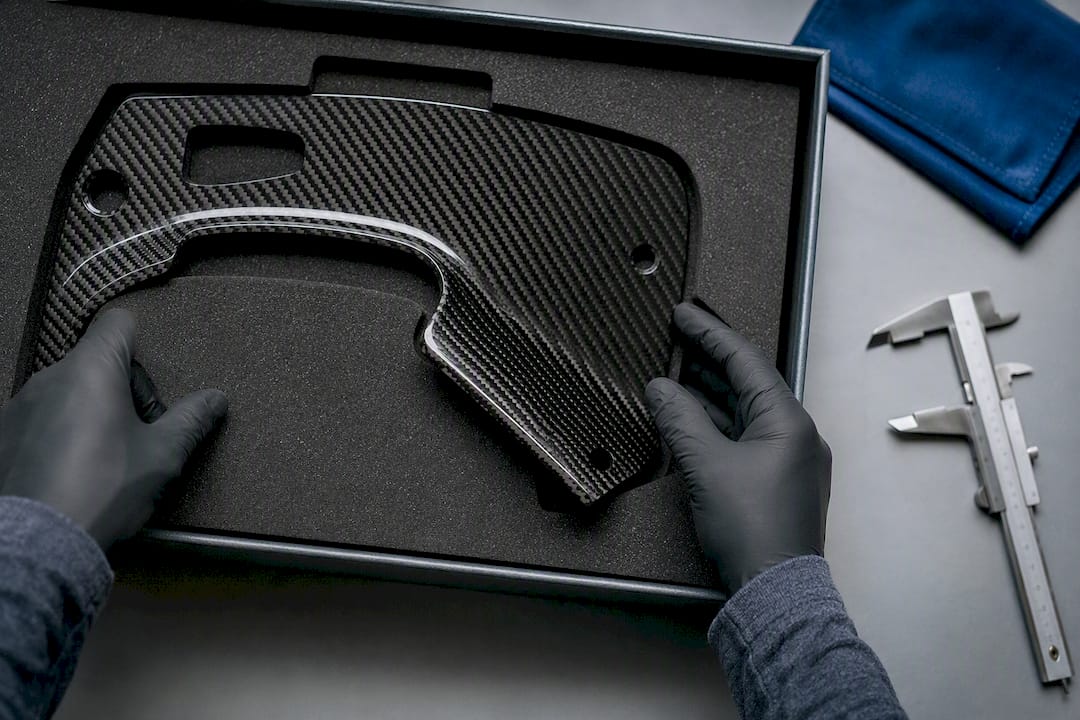
Reproduction and aftermarket alternatives exist for some cosmetic parts, but for anything structural or safety-related, original equipment sourced through a verified dismantler remains the safer call. A reproduction carbon fiber panel might fit visually but lack the certified fitment testing an OEM salvaged part carries.
How Do You Judge a Dismantler’s Reputation Before Buying?
Reviews on general platforms like Google tell you something, but they rarely capture exotic-specific reliability since most reviewers aren’t buying $15,000 engine assemblies. Look instead for detailed feedback within marketplace listings themselves, seller response times, dispute resolution history, and repeat-buyer patterns.
Forums dedicated to specific marques, Ferrari and Lamborghini owner communities especially, often carry more reliable word-of-mouth on which dismantlers deliver accurately described parts versus who oversells condition. Cross-reference a seller’s claims against their actual documentation practices. A seller with hundreds of listings and consistent VIN tagging across all of them has demonstrably built a repeatable, trustworthy process, not a one-time good sale.
Reuse and Provenance: A Publisher’s Take on Sourcing Priorities
Circular-economy momentum in the auto industry isn’t a trend, it’s the direction manufacturer reuse programs are already moving, and exotic car owners benefit disproportionately since new parts here run absurdly expensive. Prioritize traceability and certified inspection over the lowest price you find. A part $200 cheaper but missing VIN documentation isn’t a deal, it’s a gamble on fitment and history you can’t verify. Whatever you source, get professional installation confirmed and double check fitment against your specific VIN before the part goes anywhere near your car.
— Artem
Ready to Search for Your Part?
Specialist marketplaces exist because tracking down one specific component across dozens of scattered dismantlers shouldn’t take weeks of cold calls. With large listing inventories covering Ferrari, Lamborghini, McLaren, Aston Martin, Rolls-Royce, and more, plus AI-driven search built to match exact part numbers and VIN fragments, users can skip the guesswork that comes with generic auto parts sites.
Two things to do right now: search your VIN or part number directly on the Supercars to see what’s already listed, and if you don’t find an exact match, request a condition report from a seller carrying a comparable part so you can verify fitment before committing. Whether you’re restoring a Bentley interior, replacing a Porsche drivetrain component, or sourcing a full donor vehicle, starting the search at Supercars puts the entire inventory in front of you in one place.