Find Discontinued Rolls‑Royce Parts Faster with VIN Checks for Restorers
The fastest way to find discontinued Rolls-Royce parts is to pull the exact part number and VIN-matched factory code first, then run that identifier through specialist marketplaces, marque brokers, and salvage networks simultaneously. Expect to verify authenticity before you pay and budget real time for it. One channel rarely has what you need, so plan on checking three or four sources before you find the right part.
TL;DR:
- Official parts catalogs remain useful for vintage models still in the system, but specialist suppliers and salvage yards often carry rare or discontinued parts not listed online.
- Precise identification of parts requires using factory VIN and build sheet data, consulting OEM diagrams, and thoroughly documenting measurements and markings before contacting sellers.
- Verifying authenticity involves close-up photos of stamps, serial numbers, original packaging, and test videos for electronic or moving parts to avoid counterfeit or mismatched components.
- Prices vary widely, with electronics being cheaper but hard to test, while engines and body panels can be expensive and require patience due to longer shipping and inspection times.
- Using AI-driven search platforms and multiple sourcing channels simultaneously increases the likelihood of finding rare parts quickly and reduces reliance on manual, time-consuming searches.
Table of Contents
- Where to Find Discontinued Rolls-Royce Parts
- How Do You Identify the Exact Part You Need?
- How Do You Verify a Part Is Authentic Before You Buy?
- What Should You Expect to Pay and Wait For?
- Shipping a Rare Part Across Borders Without Losing It to Customs
- When Should You Hire a Sourcing Specialist or Broker?
- How AI-Powered Search Speeds Up the Hunt for Rare Parts
- Are There Legal Considerations When Buying Aftermarket Rolls-Royce Parts?
- What If the Original Part Is Truly Unavailable?
- Practitioner Perspective: Why Provenance Beats the Cheapest Option
- Search the Rolls-Royce Marketplace on Supercars
- Sources
- FAQ
Where to Find Discontinued Rolls-Royce Parts
Every channel below serves a different kind of search, and knowing which one fits your part saves weeks. A trim clip and a transmission do not belong in the same hunt.
The Rolls-Royce official parts house still maintains catalogs organized by model and system for antique and post-war cars, and it offers new-old-stock (NOS) plus reproduction pieces for a surprising number of vintage models. This is your first stop for anything still technically “in the system,” even if the local dealer network shrugged and told you it’s gone.
Specialist suppliers and restoration houses come next. Firms like Europarts360 work international supplier networks to track down obsolete mechanical and trim components that dealers no longer carry, which matters most for pre-war and coachbuilt models where documentation is thin.
Beyond those two anchors, your search should spread across:
- Salvage yards and dismantlers for whole assemblies, body panels, and donor parts pulled from cars beyond economical repair.
- Online marketplaces and classifieds for reach and speed, though buyer protections vary wildly by platform.
- Marque clubs, forums, and private groups (Facebook communities among them) where members quietly sell parts that never hit a public listing.
- Parts brokers and sourcing services who trade a fee for legwork you don’t have time to do yourself.
- Model and year specialists like IntroCar, which catalogs inventory across engines, suspension, electronics, and bodywork for both Rolls-Royce and Bentley.
Run all five in parallel rather than sequentially. A part that’s dead in the official catalog might be sitting in a dismantler’s rack three states away.
How Do You Identify the Exact Part You Need?
Guessing costs money. A part that looks right in a photo can be the wrong casting, the wrong thread pitch, or built for a different model year entirely. Nail the identification before you contact a single seller.
- Pull your VIN and build sheet first. The VIN unlocks factory option codes that tell you exactly which variant of a part your car left the factory wearing, since Rolls-Royce changed suppliers and specs mid-run more often than most owners realize.
- Locate the OEM parts diagram for your model and system, whether that’s through the official parts house, a specialist supplier’s catalog, or a factory service manual. Diagrams show you adjacent part numbers too, which helps when the exact one is dead but a superseded version isn’t.
- Cross-reference the OEM number against aftermarket and remanufactured equivalents. Many electrical modules and mechanical parts share a base design with a Bentley sibling model, and knowing that opens up a second sourcing pool overnight.
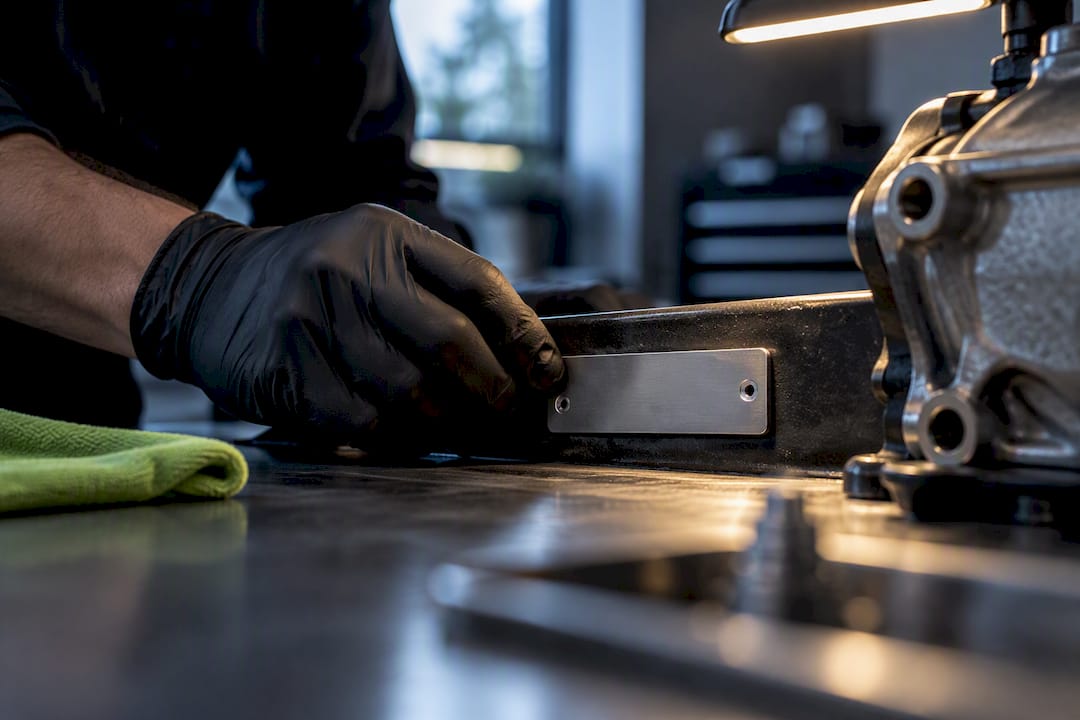
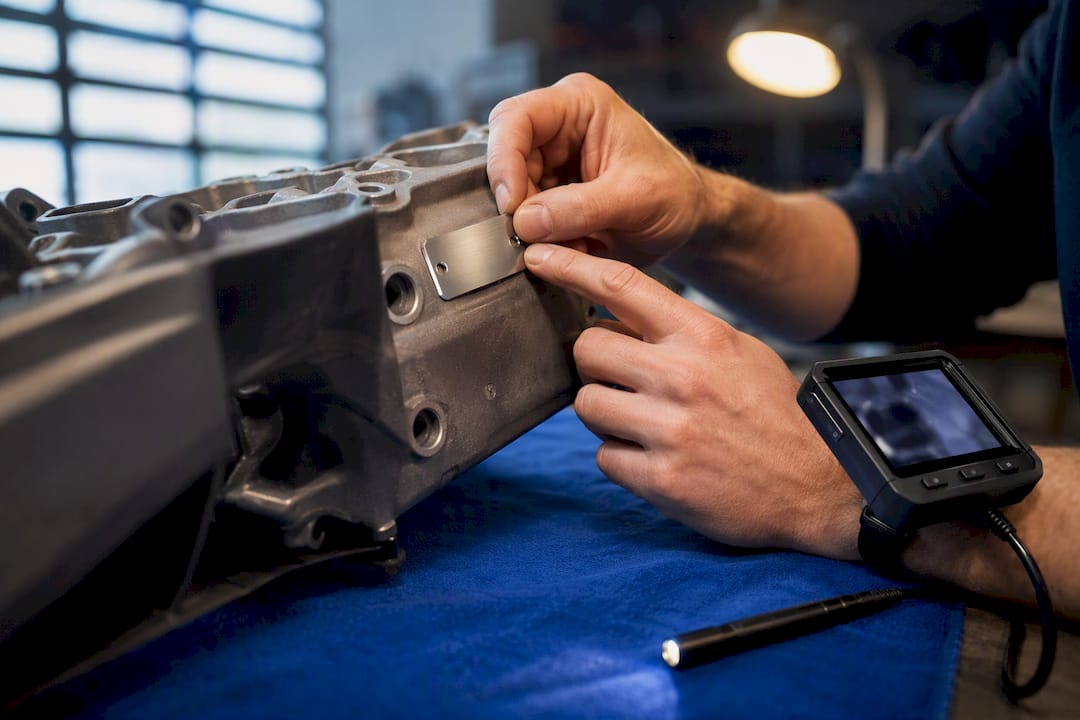
- Document everything physically. Photograph stampings, count connector pins, measure mounting points, and note thread counts. Send these details to sellers before you ask “do you have this part,” because a fuzzy description gets you a fuzzy answer.
Pro Tip: Keep a single reference sheet with your VIN, part number, superseded numbers, and photos. You’ll email it to a dozen sellers before this search is over, and retyping it each time wastes hours.
How Do You Verify a Part Is Authentic Before You Buy?
Rare parts attract fakes, mismatches, and “close enough” substitutions sold as originals. Verification isn’t optional once the price climbs past a few hundred dollars.
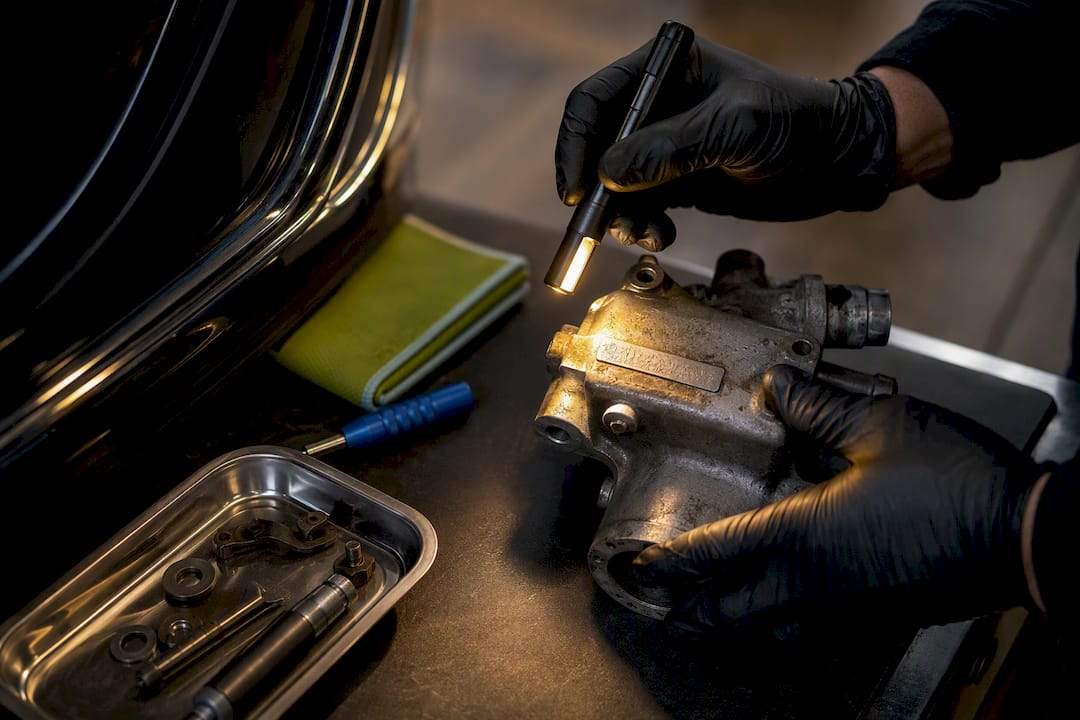
- Ask for close-up photos of stamps, serial numbers, and original packaging, not just a glamour shot of the part sitting on a bench.
- Request an inspection video or bench test for anything with moving parts or electronics, especially modules that can fail silently.
- Look for refurbishment receipts if the part has been rebuilt. A reputable rebuilder leaves a paper trail.
- Watch for red flags: incorrect fastener types, finishes that don’t match factory texture, or connectors with the wrong pin count for your model year.
- Require a written condition statement, a clear return policy, and shipping insurance before you wire money for anything over a few hundred dollars.
Dealers who specialize in used Rolls-Royce inventory, like SAAZ Auto Spare Parts, build their reputation on exactly this kind of documentation, cross-referencing VINs and testing parts before they ever list them for sale.
Pro Tip: If a seller resists sending a video of the part actually functioning, that hesitation tells you more than anything they’ll say in a description.
What Should You Expect to Pay and Wait For?
Prices swing hard by category, and lead time swings even harder. Setting realistic expectations up front keeps you from either overpaying out of panic or walking away from a fair deal.
- Electrical modules and sensors tend to be the cheapest category but the hardest to verify functionally without bench testing.
- Suspension components often carry moderate prices with decent used-part availability, since these fail and get replaced often enough to circulate.
- Body panels price depends almost entirely on condition and rust, with rare panels commanding a premium regardless of cosmetic state.
- Engines and transmissions sit at the top of the price range, and platforms selling these often inspect and grade major assemblies with limited warranties attached.
In-stock parts ship in days. Brokered finds can take weeks or months, and urgency almost always raises the price you’ll pay. Structure offers conditionally when possible: agree on price pending inspection, and consider a staggered payment (deposit now, balance on delivery and verification) for anything bought sight unseen.
Shipping a Rare Part Across Borders Without Losing It to Customs
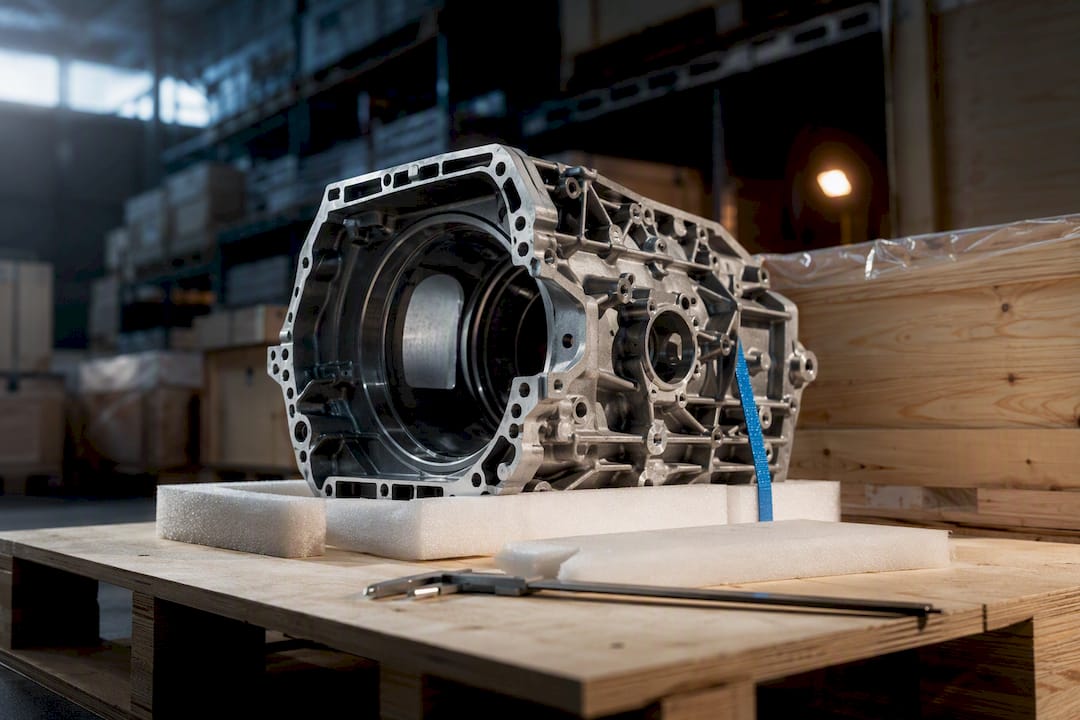
High-value parts need packaging that matches their value, not a cardboard box with bubble wrap tossed in. A cracked casting or a bent bracket can turn a rare find into scrap during transit.
- Crate or pallet anything heavy or fragile, and insist on a detailed packing list attached to the outside of the shipment, not just inside.
- Get the correct HS (Harmonized System) code from the seller before shipment. A wrong or missing code is the single most common cause of customs delays on collector auto parts.
- Estimate your landed cost up front, factoring in VAT, import duties, and brokerage fees. As a rule of thumb, budget for the seller to handle export documentation and you to handle import duties, unless the listing states otherwise.
- Use a customs broker for anything over a few thousand dollars, and ask about bonded warehouse storage if the part needs to clear before you’re ready to receive it. An ATA carnet applies mainly to parts crossing borders temporarily (for inspection or show use), not a straight purchase.
Insure the shipment for full replacement value, not just what you paid, since discontinued parts often cost more to replace than to buy the first time.
When Should You Hire a Sourcing Specialist or Broker?
Complexity, rarity, and your own schedule decide this. If you’ve spent more than a few weekends searching without a lead, or the part is critical to getting the car roadworthy, a broker’s fee usually pays for itself in time saved.
- Ask any specialist for references from completed jobs, specifically for Rolls-Royce or Bentley sourcing, not general classic car work.
- Clarify the fee structure upfront: flat sourcing fee, percentage of purchase price, or fee tied to successful delivery. The last one protects you the most.
- Negotiate a partial holdback, paying the bulk only after the part arrives and passes your inspection.
- Put an inspection window in writing, ideally 5 to 7 days, so you’re not stuck accepting a part sight unseen because the money already moved.
Pro Tip: A personal consultation with someone who’s actually sourced this part before beats blind online searching almost every time, especially for pre-war models where two cars off the same production line can have different suppliers.
How AI-Powered Search Speeds Up the Hunt for Rare Parts
Matching a partial description, a photo, or a fragment of an OEM number against thousands of listings by hand is exactly the kind of work software does better than people. Marketplaces with AI-driven search, including Supercars, can match incomplete data like a blurry stamp photo or a partial part number against a large inventory faster than manual browsing ever could.
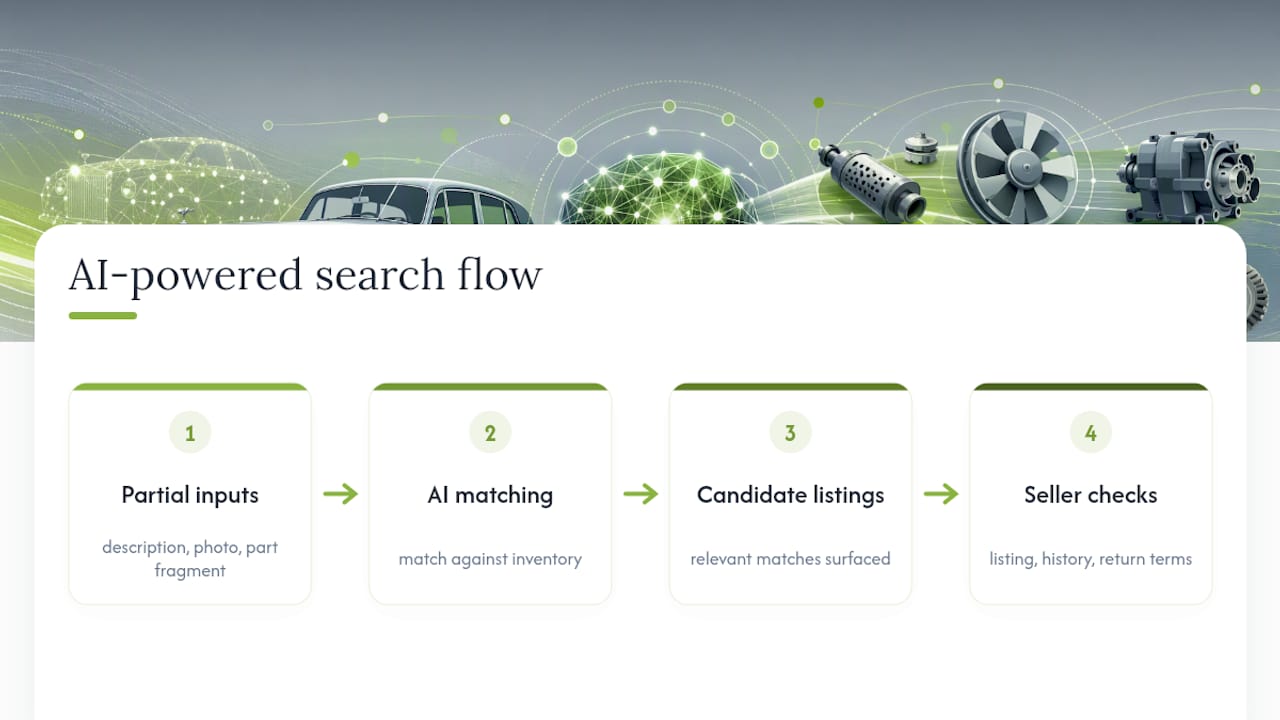
When you build a search or a listing, include your VIN, clear multi-angle photos, and every part number fragment you have. That structured input is what the search engine actually uses to find matches. Before buying from any marketplace seller, check their listing detail, sale history, and stated return terms the same way you would with a private seller. A platform with a large catalog helps only if the individual seller behind the listing is legitimate.
Are There Legal Considerations When Buying Aftermarket Rolls-Royce Parts?
Buying a discontinued or aftermarket part is generally legal, but a few areas deserve attention before you commit. Reproduction parts sold as “genuine” or “OEM” when they aren’t constitute misrepresentation, and that exposes both the seller and potentially you if you resell the car later without disclosing the substitution.
Safety-critical components carry the highest stakes. Brake, steering, and suspension parts sourced from unverified aftermarket suppliers may not meet the same tolerances as factory parts, and installing one that fails can create liability beyond the part’s cost. If a part affects emissions or safety inspection compliance in your jurisdiction, confirm it meets local regulations before installation, since rules vary significantly by country and even by state or province.
Import restrictions matter too. Some countries restrict importing parts containing certain materials (older interior trims sometimes used materials now regulated), so check before you ship anything across a border, not after it’s already in transit. Finally, keep every receipt and authenticity document you receive. If a part’s provenance is ever questioned, whether by an insurer, a future buyer, or a customs official, that paper trail is your only defense.
What If the Original Part Is Truly Unavailable?
Sometimes the part simply doesn’t exist anywhere, new or used. That’s when restoration shops turn to repair, fabrication, or thoughtful substitution instead of continuing an endless search.
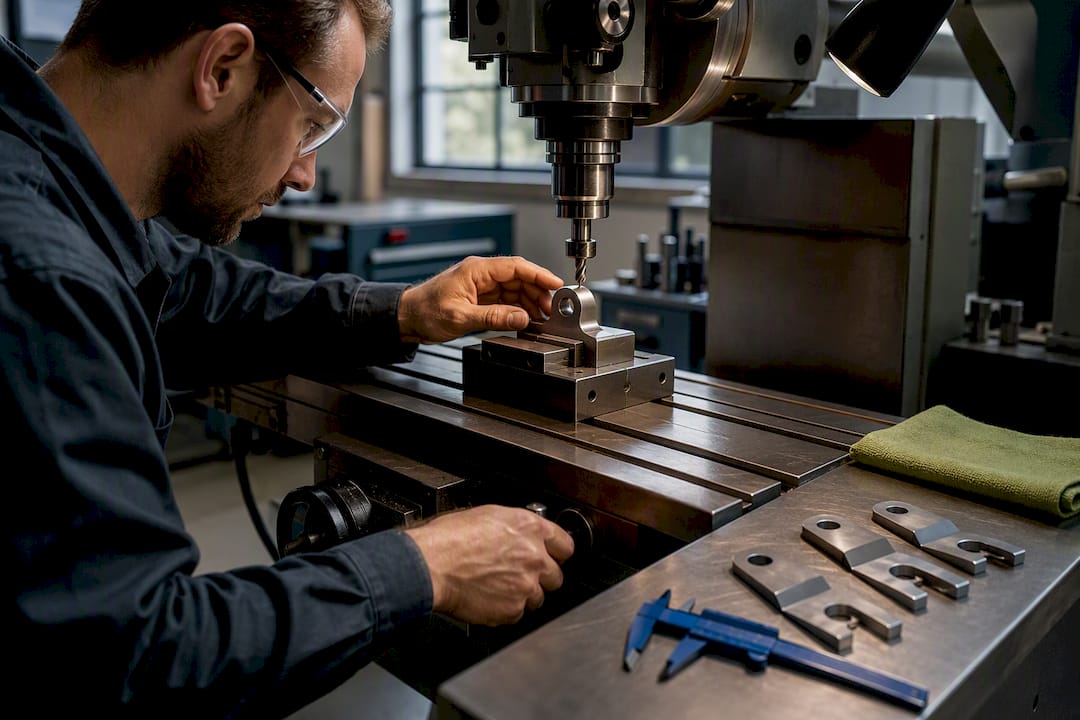
Skilled machinists can often remanufacture small mechanical parts, brackets, and trim clips from the original or a well-documented sample, especially when the original material and tolerances are known. This works best for simple geometries, not complex castings with internal passages.
For electrical modules, a rebuild using period-correct components sometimes beats a hunt for NOS stock that may fail again anyway due to age. Specialists who rebuild vintage electronics can replace failing internal components while keeping the original housing and connectors intact, which preserves the visual and functional originality that matters most to appraisers.
Body panels present the toughest tradeoff. Hand-fabrication by a skilled panel beater can replicate a discontinued piece closely enough to pass casual inspection, though it will never carry a factory stamp. For show cars, this matters. For a daily driver or a car being restored for use rather than judging, a well-made fabricated panel is often the practical answer.
Whatever route you choose, document the substitution. Future buyers and appraisers will want to know exactly what’s original and what isn’t.
Practitioner Perspective: Why Provenance Beats the Cheapest Option
Original parts with documented history hold and build value in a way substitutes never do, because a Rolls-Royce restoration lives or dies on authenticity, not just function. That said, functionality-first repairs make sense on cars you actually drive, where a well-made reproduction bracket beats a six-month wait for NOS stock you’ll never see anyway.
The real skill is knowing which parts justify the wait and which don’t. Spend your patience on visible, structural, or serial-numbered components. Spend your money on speed everywhere else.
— Artem
Search the Rolls-Royce Marketplace on Supercars
There are alternatives to cold-calling salvage yards and scrolling forum threads for discontinued Rolls-Royce parts, including platforms with AI-driven search across a large number of listings that can match a part fragment, a photo, or an OEM number to inventory faster than manual methods.
Start by gathering your VIN and part numbers exactly as described earlier in this guide, then run a saved search on the Rolls-Royce parts category so new matching listings alert you the moment they appear. Message verified sellers directly through the platform, ask the same authentication questions covered above, and set alerts before you walk away, since rare parts sometimes surface and sell within days. If your search stretches into other marques, the broader exotic car parts catalog covers the same AI-matched search across every listing on the platform.
Sources
FAQ
How Do You Find a Discontinued Car Part?
Start by pulling the exact part number and any factory codes tied to your VIN, then search specialist suppliers, marque marketplaces, and salvage networks in parallel rather than one at a time. Cross-reference the OEM number against superseded or shared-platform equivalents, since many discontinued parts were reused across sister models before production ended.
Where Can You Find Rolls-Royce Parts?
The official Rolls-Royce parts house covers antique and post-war models directly, while specialist suppliers, salvage yards, and marketplaces like Supercars cover everything from common wear items to rare discontinued components. Marque clubs and forums also surface private sales that never reach public listings.
What Car Is Considered a More Affordable Rolls-Royce Alternative?
Enthusiasts often point to the Bentley models built on shared platforms with Rolls-Royce, since the two brands shared engineering, parts, and even factories for decades. That shared history is also why Bentley parts specialists frequently stock components that cross-reference directly to Rolls-Royce part numbers.
Which Rolls-Royce Models Have Been Discontinued?
Rolls-Royce has discontinued numerous models over its history as new generations replaced older ones, including earlier Silver Shadow, Silver Spirit, and Corniche generations, along with pre-war chassis lines no longer in production. Parts availability for these discontinued models varies enormously, with post-war models generally better supported than pre-war chassis due to volume and remaining catalog support.