What Lamborghini Maintenance Really Costs Owners Each Year
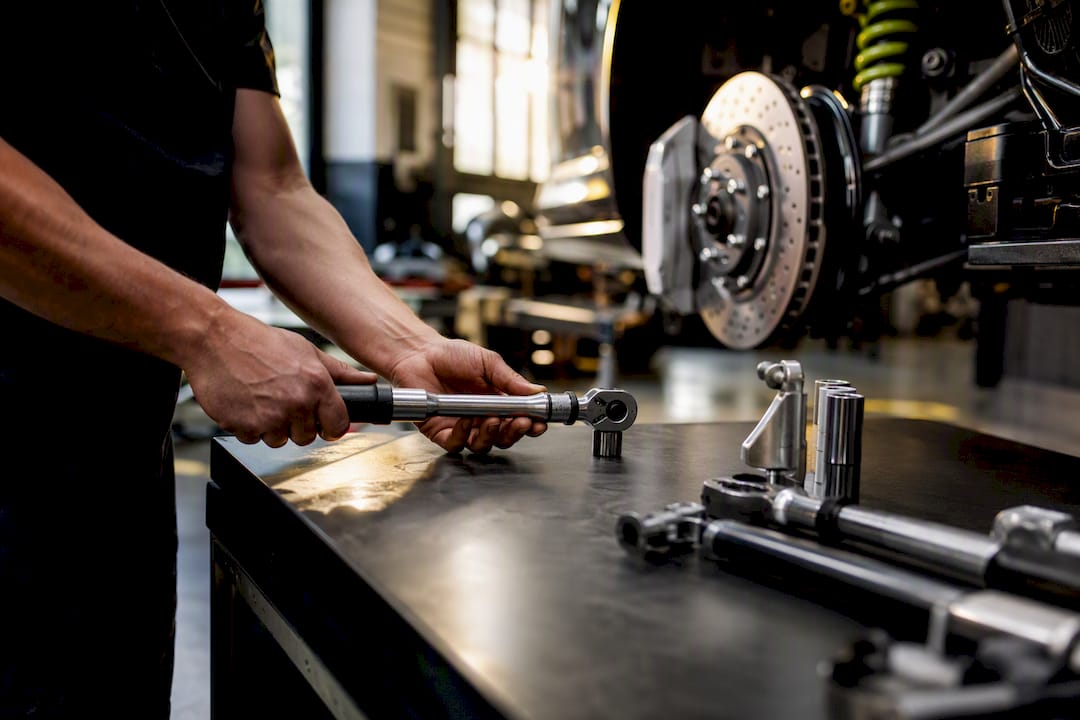
Budget $3,500 to $8,000 a year for routine Lamborghini maintenance, and closer to $10,000 to $15,000 in any year that lands a major service or a consumables replacement. Over five years, plan on a baseline of $15,000 to $25,000 total for a Huracán, with Aventador and Urus owners tracking meaningfully higher or lower depending on the model. Three things move you up or down that range: how closely you follow the factory-recommended service intervals, how hard you drive (track days chew through tires and clutches fast), and whether you get hit with a major unscheduled repair.
- Scheduled services on the factory clock
- Consumables: tires, brakes, clutch or DCT wear
- Catastrophic repair risk (engine, transmission, electronics)
That single habit does more to protect your finances than any warranty upsell a dealer will pitch you.
Key Takeaways
Lamborghini maintenance costs run $3,500 to $8,000 annually for routine care, with a five-year Huracán baseline of $15,000 to $25,000 once tires, brakes, and moderate repairs are included.
| Point | Details |
|---|---|
| Annual budget range | Plan $3,500 to $8,000 in a typical year, more in a year with major service or repairs. |
| Five-year baseline | Huracán ownership commonly totals $15,000 to $25,000 over five years including consumables. |
| Model-level variance | Aventador runs higher ($6,000 to $15,000 annually); Urus often stays under $3,000 in light years. |
| Labor rate premium | Certified exotic technicians commonly charge $150 to $300 per hour at dealers and specialists alike. |
| Sourcing parts matters | Supercars.parts lets owners search OEM and aftermarket listings across 365,000+ parts before booking labor. |
Table of Contents
- What Are Lamborghini’s Factory Service Intervals and Costs?
- How Much Do Huracán, Aventador, and Urus Owners Pay Annually?
- What Do Tires, Brakes, and Clutch Service Really Cost?
- How Big Is the Risk of a Major Unscheduled Repair?
- How Should You Budget and Choose a Service Shop?
- How Supercars.parts Simplifies Sourcing Parts for Repairs
- How Does Insurance Affect Total Ownership Costs?
- A Candid Take on What the Numbers Actually Mean
- Ready to Source Parts Before Your Next Service?
- Sources
What Are Lamborghini’s Factory Service Intervals and Costs?
Lamborghini’s factory schedule runs on a fairly predictable rhythm, and knowing it lets you stop treating every bill as a surprise. The cadence typically breaks into three tiers, confirmed by Lamborghini’s own maintenance documentation:
- Annual or 9,000 to 12,000 mile service. Oil, filters, fluid checks, and a full inspection. This runs from several hundred dollars to around $1,500 depending on the model and the shop, according to one detailed Huracán cost breakdown.
- Two year / 18,000 mile intermediate service. Adds spark plugs, coolant flushes, and transmission fluid inspection. Expect this to land in the low thousands.
- Three to five year major service. Deeper mechanical work, sometimes including timing components and suspension bushings, and typically the most expensive scheduled visit an owner faces.
Location and model both swing these numbers. A Huracán service in a major metro exotic-car hub costs more than the identical job in a smaller market, purely because of shop overhead and labor demand.
Pro Tip: Ask your dealer about factory prepaid maintenance packages before your warranty period ends. Locking in service costs upfront often beats paying à la carte, especially once labor rates climb.
How Much Do Huracán, Aventador, and Urus Owners Pay Annually?
Cost bands diverge sharply by model, and lumping “Lamborghini” into one number does every owner a disservice.
- Huracán: $3,500 to $8,000 in a typical year, with a five-year total of $15,000 to $25,000 once you include tires, brakes, and moderate repairs, per Motor1’s owner-reported estimates. A dealer-published guide corroborates this range, pegging five-year Huracán ownership costs in the same window.
- Aventador: Expect $6,000 to $15,000 annually. The V12, all-wheel-drive hardware, and pushrod suspension add complexity that the Huracán’s simpler layout avoids.
- Urus: Often the cheapest to run day-to-day, sometimes under $3,000 in a light year, because it shares more parts commonality with other Volkswagen Group vehicles and sees less track abuse.
Line items that swing these totals include tire sets, brake jobs, and clutch or dual-clutch transmission service. A driver who commutes gently on a Huracán will spend far less than one who takes it to three track days a year. Mileage matters less than driving style here. A low-mileage car driven hard at redline stresses the clutch and brakes just as much as a high-mileage highway cruiser, sometimes more.
What Do Tires, Brakes, and Clutch Service Really Cost?
Consumables are where owners get blindsided, mostly because they don’t show up on a fixed calendar the way an oil change does.
- Tires: A full set of performance rubber runs $1,500 to $5,000, and aggressive drivers can burn through a set in under 10,000 miles.
- Brakes: Standard steel rotors and pads land in the low thousands per axle job. Carbon-ceramic setups, common on Aventadors and higher trims, can run into the many thousands for a single replacement.
- Clutch and DCT fluid: Factory intervals assume moderate driving. Track use or repeated launch-control starts shorten clutch life considerably and can bring transmission fluid service forward by a year or more.
- Battery and fluids: Modest cost individually, but they add up when combined with a major service visit.
Pro Tip: If you drive aggressively or track your car, service the DCT fluid more often than the factory interval suggests. It’s cheap insurance against a clutch-pack replacement that costs many times more than the fluid change itself.
How Big Is the Risk of a Major Unscheduled Repair?
Routine maintenance is predictable. Catastrophic failures are not, and they’re the real reason a reserve fund matters more than any single line item on this page.
- Engine or transmission failure: Rare on a well-maintained car under warranty, but repair costs can run into the tens of thousands when they happen outside coverage.
- Electronics and sensor faults: Increasingly common as these cars pack more software, and diagnostics alone can run several hundred dollars before any part gets replaced.
- Suspension and drivetrain wear: More likely on track-driven cars, and can surface unexpectedly between scheduled visits.
Lamborghini’s standard factory warranty covers the vehicle and powertrain for three years, with extended coverage and prepaid maintenance plans available afterward. If you plan to keep the car past the factory warranty window, or you bought it used with unknown service history, an extended plan often pencils out cheaper than self-insuring against a single major failure.
How Should You Budget and Choose a Service Shop?
This buffers you against both the predictable bills and the ones nobody sees coming.
- Compare dealer vs. independent specialist. Authorized dealers offer warranty-safe service and factory diagnostics but usually charge more. Independent exotic specialists can save money on labor, though rates at both commonly exceed $150 to $300 per hour, a premium echoed across luxury and exotic labor benchmarks generally.
- Vet any shop before booking. Ask: Do you use OEM or OEM-equivalent parts? Do you have Lamborghini-specific diagnostic tools? Can you show recent exotic work references? What’s your warranty on labor? How do you source hard-to-find parts? Will independent service void my factory warranty?
Pro Tip: A shop that hesitates on the parts-sourcing question is a red flag. Genuine exotic specialists know exactly where their OEM components come from.
How Supercars.parts Simplifies Sourcing Parts for Repairs
Every dollar figure above assumes you can actually find the part when something breaks, and that’s where exotic ownership gets frustrating fast. A worn brake rotor or a cracked trim panel on a Huracán isn’t sitting on a shelf at a regular auto parts store.
Supercars.parts lists over 365,000 parts listings covering Lamborghini and other exotic brands, with an AI-driven search feature built specifically to cut through that scarcity problem.
- Search by exact OEM part number before you book labor, so you know parts availability before committing to a shop’s schedule.
- Compare OEM and quality aftermarket listings side by side to weigh cost against originality.
- Track down low-production or discontinued components that a general parts network won’t carry.
Cross-referencing a part number ahead of a service appointment also gives you leverage when a shop quotes labor. You walk in already knowing what the part costs and where it’s coming from.
How Does Insurance Affect Total Ownership Costs?
Insurance and maintenance are more tangled together than most new owners expect. Premiums for exotic cars run well above mainstream vehicles to begin with, largely because repair costs are high and specialized parts take longer to source. But the connection runs deeper than the base premium.
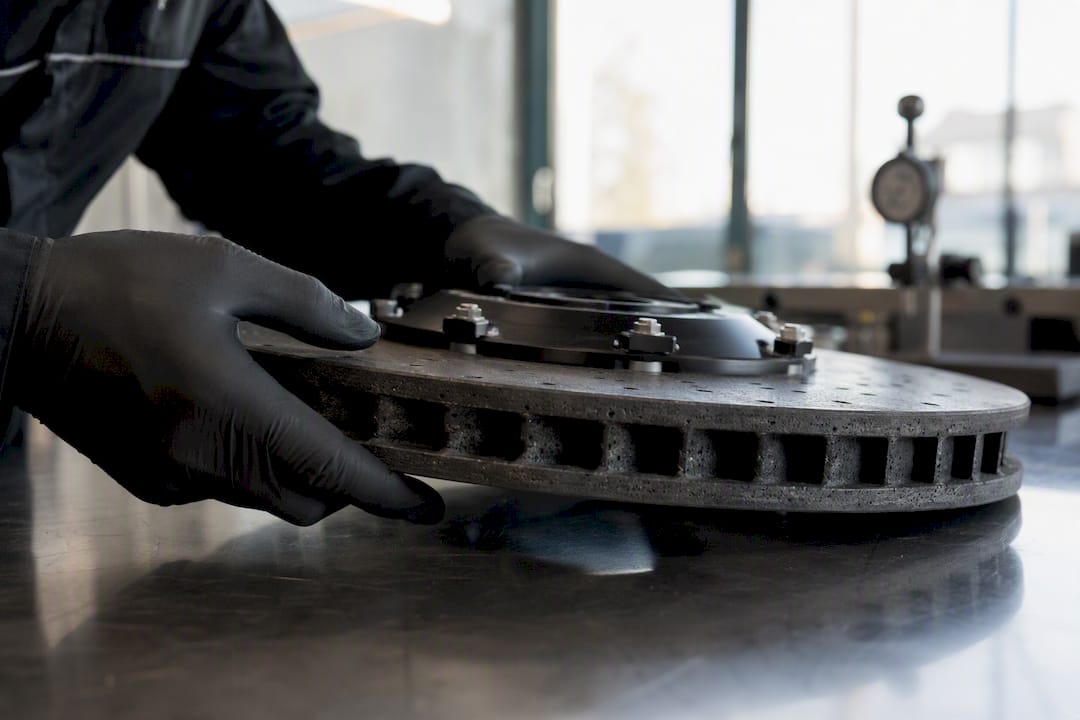
Insurers price risk partly on repair history. A car with a documented pattern of factory-scheduled service and OEM parts usage tends to be viewed more favorably than one with a spotty, budget-shop repair trail. Skipping maintenance to save money in the short term can quietly raise your long-term insurance costs if it shows up in a claims history or a pre-policy inspection.
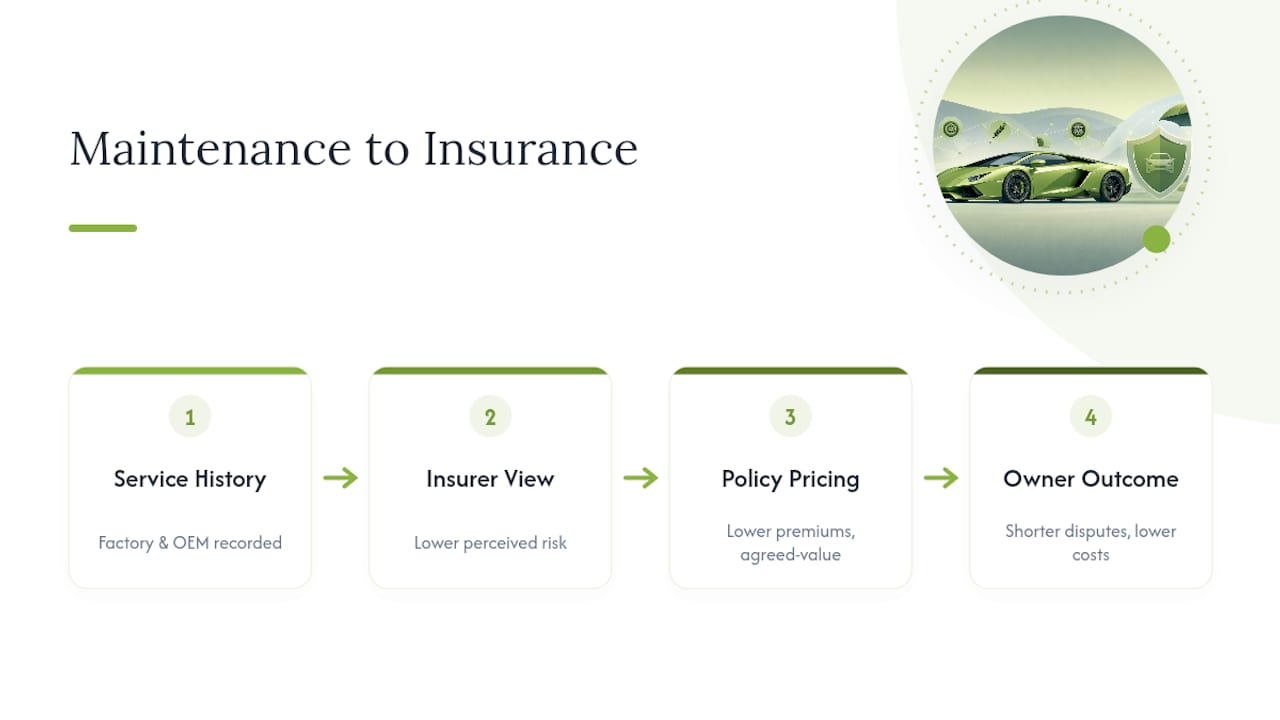
Comprehensive and collision coverage on a Lamborghini also interacts directly with parts costs. Because carbon-ceramic brakes, custom bodywork, and specialized electronics all carry premium replacement prices, insurers factor those into your rate calculation. Choosing a policy with agreed-value coverage, rather than actual cash value, protects you from being underpaid after a claim on a car whose parts market moves independently of typical depreciation curves.
There’s a budgeting lesson buried here: maintaining detailed service records isn’t just good practice for resale value. It’s leverage with your insurer, and it can shorten claims disputes when something does go wrong. Owners who treat their maintenance reserve and their insurance strategy as one connected system, rather than two separate expenses, tend to come out ahead over a five-year ownership window.
A Candid Take on What the Numbers Actually Mean
The biggest surprise for most new owners isn’t any single repair bill. It’s how much a maintenance reserve changes the emotional experience of ownership. The ones who don’t treat every scheduled appointment like a financial emergency. Genuine parts and certified technicians cost more upfront, but they’re what keep a five-year budget from turning into a six-figure lesson.
— Artem
Ready to Source Parts Before Your Next Service?
Supercars is the practical alternative to guessing at parts availability before you book a repair. Instead of calling three dealers and waiting on backorder quotes, you search the catalog yourself, compare OEM against aftermarket options, and message sellers directly to confirm fit and condition before committing to labor.
Whether you’re planning a scheduled service or reacting to a check-engine light, knowing your parts costs upfront changes how you negotiate with any shop, dealer or independent. Search your model’s exotic car parts inventory now, cross-reference the OEM number your technician gives you, and walk into your next appointment already knowing what a fair quote looks like.
Sources
- Lamborghini Huracan: How Much Is Maintenance?
- Lamborghini maintenance schedules — KBB
- Budgeting for Your Bull: Lamborghini Huracan Maintenance Cost Guide - Drivetrips
- What Is The Maintenance Cost Of A Lamborghini? (Explained) - WeBuyExotics
- Owning the Dream: A Guide to Lamborghini Huracán Maintenance Costs Over 5 Years - Bavarian Rennsport