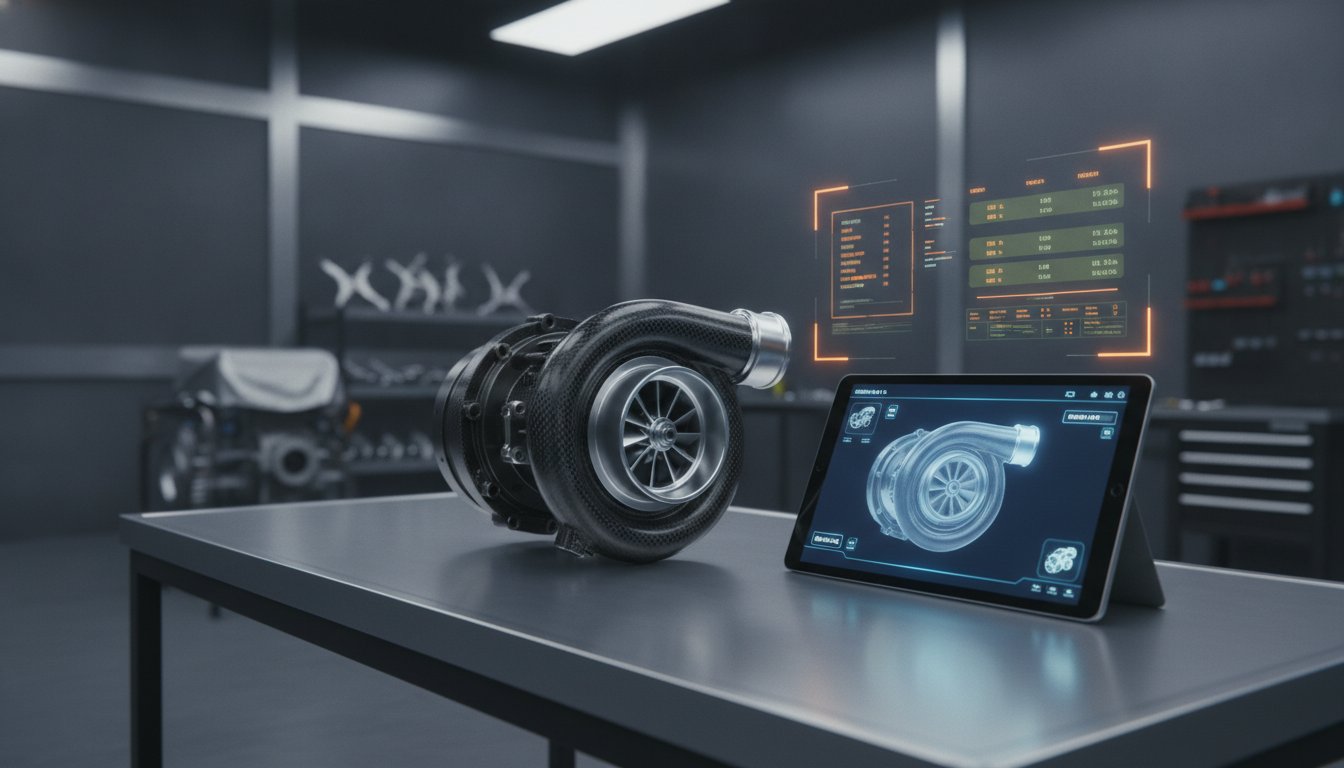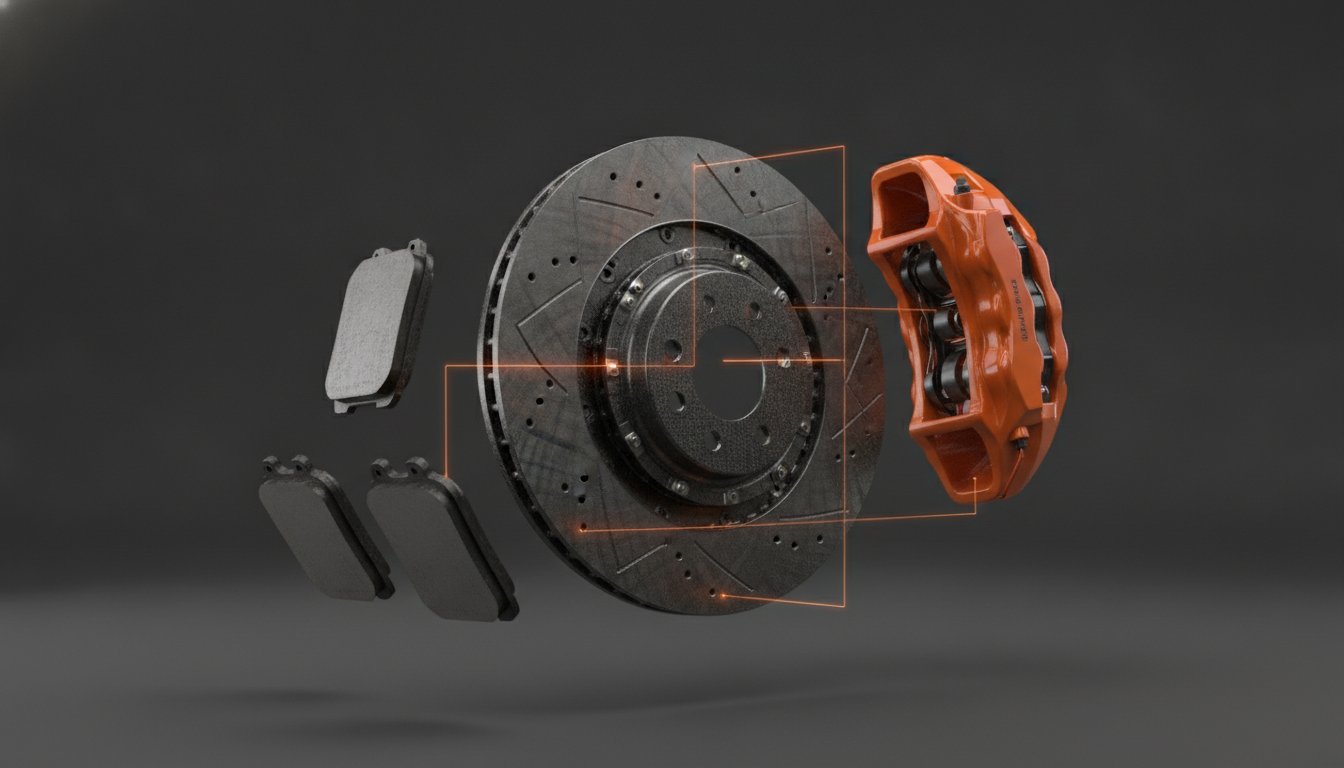

Locating structural Monocage II components for a McLaren 720S often requires cross-referencing three separate global regions to find a single verified SKU. The scarcity of these specific chassis elements makes the procurement of McLaren 720S parts a high-stakes technical challenge. Most specialists recognize that standard parts catalogs often fail to account for the minute variations between Coupe and Spider variants. You've likely encountered the frustration of opaque pricing for high-value carbon fiber assemblies and the logistical hurdles of international sourcing.
This guide establishes a data-centric methodology for identifying and securing critical components. It functions as a technical roadmap to a centralized database of global 720S inventory. We'll cover precise part number identification for complex mechanical assemblies, ensuring compatibility across all model iterations. We also provide a comparative analysis of OEM versus performance aftermarket options based on structural integrity and fitment data. The following sections prioritize data-driven clarity to streamline the procurement workflow. Every word serves a specific purpose in the retrieval of technical data for high-performance maintenance.
Key Takeaways
- Identify structural component compatibility within the Monocage II architecture to maintain factory-spec chassis integrity.
- Compare the logistical benefits of OEM components for asset preservation against high-performance aftermarket carbon fiber assemblies.
- Execute a systematic sourcing protocol for McLaren 720S parts utilizing technical diagrams and VIN-specific identification.
- Access a centralized database of global inventories to bypass the filtering limitations of traditional supercar parts marketplaces.
- Implement inventory optimization strategies for 720S restoration projects through the use of specialized exotic car search engines.
The Architecture of the McLaren 720S Parts Ecosystem
The McLaren 720S architecture dictates a specific logic for parts procurement. It's built around the Monocage II carbon fiber tub. This McLaren 720S Overview highlights the engineering complexity inherent in the platform. Every component serves a structural or aerodynamic purpose. Scarcity of McLaren 720S parts stems from low production volume and the use of specialized materials like pre-preg carbon fiber and high-strength alloys. Inventory remains fragmented. It's split between authorized retailers and niche independent specialists. This distribution model creates significant lead times for structural and mechanical assemblies.
The 720S utilizes a modular architecture. This design allows for the replacement of specific sub-assemblies without compromising the entire vehicle structure. Mechanical components are specifically engineered for the M840T 4.0L twin-turbo V8 engine. These parts are not interchangeable with legacy McLaren powerplants. Understanding this engineering hierarchy is the first step in technical sourcing.
Monocage II Structural Components
The Monocage II is the central chassis element. Identification of these components requires precision. Each carbon fiber element carries a unique identifier linked to the VIN. These are non-interchangeable between the Coupe and Spider variants. The Spider chassis includes specific reinforcement to account for the open-top design.
Technical Identification: OEM vs. Aftermarket 720S Components
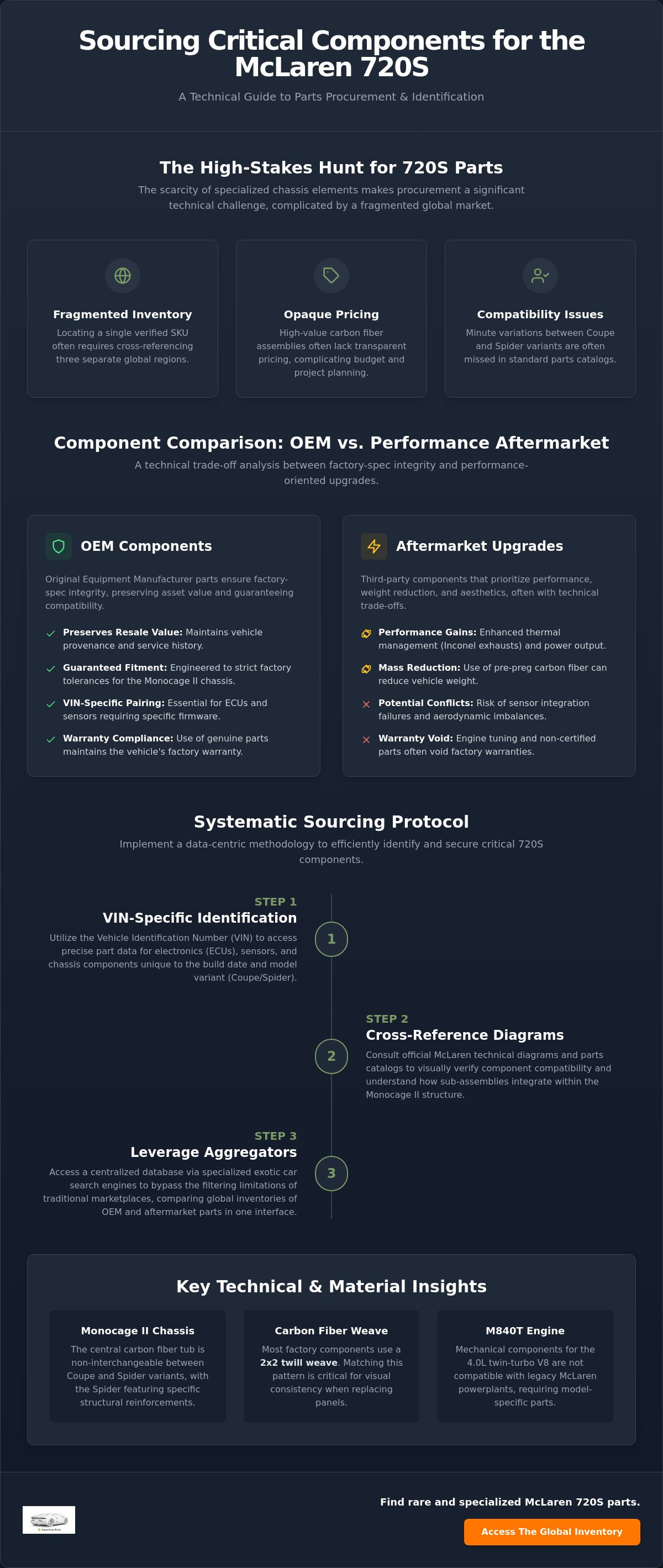
Technical identification of McLaren 720S parts requires a clear distinction between factory-spec components and performance-oriented aftermarket solutions. OEM parts maintain strict factory tolerances. They preserve vehicle resale value and ensure structural alignment across the Monocage II platform. Many aftermarket components utilize pre-preg carbon fiber for mass reduction. Technical trade-offs occur during this selection process. Aesthetic enhancements often conflict with specific aerodynamic functional requirements. Matching carbon weave patterns is critical for visual consistency. Most factory McLaren components utilize a 2x2 twill weave. Third-party manufacturers must replicate this specific orientation to prevent aesthetic discord between panels.
Verification of material properties is the primary differentiator. OEM parts undergo rigorous thermal and stress testing. Aftermarket suppliers may prioritize visual finish over structural rigidity. Identifying the correct part involves cross-referencing the McLaren parts catalog with verified third-party technical data. Using a specialized supercar parts search tool allows for rapid comparison of these disparate inventories.
Evaluating Aftermarket Performance Upgrades
Aftermarket exhaust systems prioritize thermal management and acoustic profile. Inconel alloys offer superior heat resistance compared to titanium. This is vital for the high-temperature environment of the M840T engine bay. Aerodynamic kits require verification of active rear wing compatibility. Sensor integration is a common failure point in non-OEM assemblies. For those researching specific component data, the McLaren 720S technical specifications provide baseline performance metrics for comparison. Engine tuning modules can compromise factory reliability. They often void existing warranties. Selection must prioritize components with proven telemetry data and established fitment history.
The Role of Genuine McLaren Spare Parts
Genuine spare parts utilize VIN-specific identification. This is essential for Electronic Control Units (ECUs) and complex sensors. These units require specific firmware versions tied to the vehicle's production date. Sourcing standard service kits involves identifying part numbers for filters, spark plugs, and lubricants. Warranty-approved components maintain the vehicle's provenance. They ensure the hydraulic suspension and powertrain remain within McLaren's operational parameters. Maintaining a complete service history with genuine parts is the standard for high-value asset management. This approach guarantees that every mechanical interaction meets the original engineering intent of the manufacturer.
Systematic Sourcing: A Protocol for Finding Rare 720S Parts
Efficient procurement of McLaren 720S parts requires a standardized technical protocol. The process begins with precise identification via the McLaren technical catalog. Identifying the exact part number using VIN-specific lookup prevents compatibility errors. This is critical because the 720S features a carbon-intensive architecture that integrates complex sub-assemblies. Once identified, procurement shifts to global aggregation. Utilizing a specialized search engine allows for the simultaneous scanning of multiple international inventories. This methodology bypasses the limitations of single-vendor catalogs. It provides immediate visibility into stock levels across North American and European hubs.
Lead time optimization depends on cross-referencing availability across these regions. Shipping logistics for high-value carbon fiber components require specific handling protocols. Fragile assemblies like the rear diffuser or Monocage trim must be crated to prevent structural fractures. Verification of seller credentials is mandatory. Condition categories include New, Used, and Rebuilt. Each category carries distinct implications for vehicle warranty and structural certification. A methodical approach to documentation ensures that every component meets factory-spec requirements before it enters the repair workflow.
Navigating Global Parts Databases
Structured data filtering is essential for mechanical accuracy. Sourcing must account for component orientation. Left-hand drive and right-hand drive variations often utilize mirrored part numbers. Comparing regional pricing reveals market-specific discrepancies. European hubs frequently hold deeper stock for "new old stock" (NOS) trim options. These discontinued items are often the only solution for maintaining factory originality in early-production 720S units. Digital inventory tools facilitate this granular filtering by SKU and region to identify the most cost-effective logistical path.
Verification and Authenticity Checks
Authenticity verification prevents the acquisition of counterfeit or non-compliant components. Request high-resolution imagery of manufacturer stamps and QR codes. These markings confirm the production batch and material origin. Technicians should also check for superseded part numbers. McLaren frequently updates component designs to address thermal or mechanical issues found in earlier iterations. In some cases; 720S GT3 or 765LT components offer compatible upgrades. However, these require verification of mounting points and electronic sensor integration before purchase. This systematic approach ensures that every acquired part meets the technical requirements of the 720S platform.
Inventory Optimization for 720S Restoration and Repair
Restoration of high-performance assets requires a dual-track procurement strategy. Technicians must balance structural OEM components with aesthetic aftermarket kits to maintain vehicle integrity and market value. Managing McLaren 720S parts inventory at the shop level involves tracking rare components across a fragmented global network. Lead times for specific chassis elements directly dictate project timelines. Delays in sourcing a single carbon fiber bracket can stall a restoration for several months. Efficient facilities utilize search tools to locate rare interior trim and Alcantara components that match original factory specifications. This prevents the use of non-compliant materials that degrade the vehicle's cabin environment.
Data-driven inventory management reduces logistical friction. Identifying rare interior trim requires access to specialized databases that categorize materials by color code and texture. This level of granularity is essential for maintaining the vehicle's original build sheet. Project managers must account for the logistical complexity of international shipping when calculating repair windows. To streamline this process and minimize downtime, professionals use a supercar parts search engine to aggregate listings from diverse international suppliers.
Sourcing for Collision Repair
Collision repair focuses on front-end assemblies. This includes bumpers, headlight inserts, and bonnet panels. Structural damage requires identification of parts that necessitate specialized McLaren tooling for installation. Suspension geometry components, such as uprights and control arms, must meet factory-spec tolerances to ensure handling performance. Verifying the condition of used suspension parts is critical. Rebuilt components must include certification of structural integrity to remain viable for high-speed applications. Technicians should prioritize new-old-stock (NOS) for critical safety assemblies to ensure the highest possible reliability.
Boutique Customization and Personalization
Customization often involves locating rare McLaren Special Operations (MSO) components. These exterior and interior parts carry unique SKUs not found in standard catalogs. Aftermarket wheel fitment requires precise offset data and Tire Pressure Monitoring System (TPMS) integration. Upgrading 720S components to 765LT specifications is technically feasible but requires a comprehensive audit of mounting points. Certain 765LT aerodynamic elements require structural modifications to the 720S rear subframe. Technicians must verify the technical feasibility of these upgrades before procurement to avoid fitment failure. This ensures the modification does not negatively impact the vehicle's active aerodynamic balance.
Leveraging Aggregators for Efficient 720S Parts Discovery
Traditional automotive marketplaces prioritize volume over technical specificity. This lack of granularity creates friction when identifying complex McLaren 720S parts. Generic platforms often fail to distinguish between LHD and RHD configurations or structural chassis variations inherent to the Monocage II platform. SuperCars.Parts operates as a dedicated search engine for the exotic car community. It aggregates over 300,000 listings to provide a comprehensive view of the current global market. This high-density data environment allows for immediate price comparison and availability verification across multiple international jurisdictions simultaneously. It functions as a sophisticated bridge between fragmented global inventories and the end-user.
Technical shops require programmatic access to structured data. The SuperCars API enables this integration. It allows professional facilities to feed real-time inventory data directly into their internal management systems. This automation eliminates manual entry errors. It ensures that procurement stays aligned with live stock levels across the entire supply chain. Every data point is categorized by orientation, compatibility, and condition with surgical precision. The brand acts as an invisible but essential facilitator, projecting an image of technological sophistication and global reach for professional workshops.
The Advantages of Centralized Search
Efficiency in supercar maintenance depends on rapid data retrieval. Manually checking dozens of independent seller websites is a logistical bottleneck that delays project completion. A centralized search interface provides a unified view of both OEM and performance aftermarket options. This single-source approach facilitates the identification of rare, hard-to-find components within a structured catalog. It allows technicians to compare factory-spec tolerances against aftermarket weight-reduction claims in one workflow. The arrangement of data points takes precedence over narrative flow to ensure scanability. This vertical organization provides an exhaustive experience for specialized procurement officers.
Next Steps: Initiating Your Search
Users initiate queries through the SuperCars.Parts search interface by entering specific part numbers or VIN data. The system filters results by global region and seller credentials to ensure logistical feasibility. After discovering the required component, the platform facilitates a direct transition to the third-party seller's platform. For ongoing project management, the Inventory App tracks part availability in real-time. This tool is essential for monitoring high-demand items that fluctuate in stock. It maintains a steady, reliable presence for those seeking rare and high-value items in a volatile market. The communication rhythm mirrors the logic of a high-performance search engine, moving rapidly from categories to granular specifics without interruption.
Advancing Technical Procurement Workflows
Maintaining the technical integrity of a high-performance asset requires a transition from manual sourcing to data-driven procurement. Precision in identifying Monocage II structural elements and M840T engine assemblies ensures factory-spec performance is preserved. Success in this specialized field depends on the ability to bypass regional inventory gaps by utilizing structured data from a global perspective. The systematic identification of McLaren 720S parts across both OEM and aftermarket sectors eliminates the logistical friction common in traditional supercar maintenance. Every component search must prioritize technical compatibility over mere availability.
SuperCars.Parts serves as an independent search engine for specialized procurement. It provides access to aggregated listings from global sellers and structured data for over 300,000 exotic parts. This centralized resource allows technicians to verify availability and compare components within a single, high-efficiency interface. Project timelines remain secure when data retrieval is instantaneous and accurate. Efficient sourcing is the foundational requirement for long-term vehicle performance and asset value retention.
Search the Global McLaren 720S Parts Inventory Now to optimize your restoration or repair workflow. Accurate sourcing is the baseline for supercar longevity.
Frequently Asked Questions
How do I find the correct OEM part number for my McLaren 720S?
Correct OEM part numbers are identified via the McLaren electronic parts catalog (EPC) or by using a VIN-specific search tool. These systems cross-reference the vehicle's production date with specific component SKUs to ensure compatibility. Precise identification prevents procurement errors associated with mid-cycle engineering updates. Technicians should verify the part number against the vehicle's build sheet for accuracy.
Are 720S Coupe and Spider body parts interchangeable?
Structural and body components for the 720S Coupe and Spider are largely non-interchangeable. The Spider utilizes a modified Monocage II-S chassis to accommodate the retractable hardtop mechanism and reinforced A-pillars. Body panels like doors, rear fenders, and engine covers have distinct part numbers and mounting points. Mechanical drivetrain components remain consistent across both variants.
What is the difference between dry carbon and wet carbon for 720S parts?
Dry carbon fiber parts utilize pre-impregnated resin and autoclave curing to achieve maximum structural rigidity and minimum mass. Wet carbon fiber is produced by applying resin manually to the fabric; resulting in higher weight and lower structural integrity. Dry carbon is the factory standard for McLaren 720S parts involving aerodynamic or structural functions. Wet carbon is typically reserved for non-functional aesthetic trim.
Can I use 765LT parts on a McLaren 720S?
Select mechanical components from the 765LT are compatible with the 720S platform, but aerodynamic assemblies require structural modifications. The 765LT longtail active wing and rear diffuser necessitate specific mounting brackets and subframe reinforcements not present on the standard 720S. Electronic sensor integration for 765LT suspension components may also require ECU recalibration to function within factory parameters.
How can I verify the authenticity of McLaren parts from international sellers?
Authenticity is verified by inspecting manufacturer stamps, QR codes, and holographic security labels on the component packaging. Request high-resolution imagery of the part's casting marks or laser-etched serial numbers before purchase. Cross-referencing these identifiers with the McLaren global database confirms the production origin. Purchasing from sellers with verified credentials in exotic car parts reduces the risk of acquiring counterfeit items.
What are the most common 720S parts required for routine maintenance?
Routine maintenance for the 720S requires specific consumables including oil filters, cabin air filters, and M840T-specific spark plugs. High-wear items such as carbon-ceramic brake pads and specialized hydraulic fluids for the Proactive Chassis Control II system are also frequent requirements. Maintaining a stock of these essential McLaren 720S parts ensures the vehicle remains within its operational service intervals without logistical delays.
Why should I use a parts search engine instead of a single dealership?
A parts search engine provides visibility into global inventories; whereas a single dealership is limited by local stock and regional supply chains. Aggregators allow users to compare pricing and lead times across multiple international hubs simultaneously. This centralized approach is essential for locating rare or discontinued components that may be unavailable through official domestic channels. It maximizes procurement efficiency for time-sensitive repairs.
How does the SuperCars API assist in sourcing rare supercar components?
The SuperCars API enables programmatic access to structured data for over 300,000 exotic components. Professional workshops use this tool to integrate live inventory tracking directly into their internal management systems. This automation reduces manual lookup time and ensures that procurement decisions are based on real-time global availability. It functions as a high-performance data bridge for specialized automotive facilities.