4 Fast Ways Restorers Find Bentley Part Numbers, Plus Marketplace AI
The fastest way to get an accurate Bentley part number is to run your VIN through an OEM parts catalog or dealer system first. If that route stalls, cross-reference a parts diagram for your model and year, or upload a clear photo to an AI-assisted marketplace search. Once you have a candidate OEM number, confirm it against the diagram before you pay for anything.
TL;DR:
- Using your VIN to search an OEM parts catalog provides the most accurate matching, as Bentley changed suppliers and specs mid-production.
- Bentley part numbers follow structured patterns, with side indicators as letters and revision suffixes denoting updates; base numbers are critical for accuracy.
- Part numbers are stamped or labeled on major assemblies, engine parts, and service records, making physical verification faster and more reliable.
- Confirm OEM part numbers against exploded diagrams before ordering to avoid mismatches, especially when older or superseded numbers are involved.
- Marketplace searches with AI matching photos or partial numbers can significantly reduce the time to find discontinued or rare parts compared to forum hunting.
Table of Contents
- Bentley Part Numbers: The Fastest Lookup Methods
- How Bentley Part Number Formats Actually Work
- Where to Physically Find Bentley Part Numbers
- Verifying and Decoding a Bentley Part Number
- How to Source Bentley Parts Once You Have the Number
- What I’ve Learned Chasing Down Obscure Bentley Parts
- Find Your Bentley Part Faster With Supercars.parts
- Useful References for Bentley Parts Research
- FAQ
Bentley Part Numbers: The Fastest Lookup Methods
Your starting point should always match what information you already have. Got a VIN? Use it. Only a photo of a cracked bracket? Start there instead.
- VIN lookup first. Enter your 17-digit chassis number into an OEM catalog or hand it to a dealer parts desk. The system returns the exact parts fitted to your specific car, which matters because Bentley changed suppliers and specs mid-production-run more often than most owners realize.
- Parts diagrams second. If VIN lookup isn’t available to you (common for older Bentleys or independent shops without dealer portal access), find the exploded diagram for your model and year, locate the item in the diagram, and match its reference number to the OEM part number listed alongside it.
- Photo or partial-number search third. When you have a fragment of a stamped number, a faded label, or just the physical part in hand, an AI-assisted marketplace search can match it against a photo far faster than scrolling forum threads hoping someone posted the same broken part.
- Call the parts desk when you’re stuck. Have your VIN, a photo, and the part’s exact location on the car ready before you dial. That prep cuts a ten-minute call down to two.
Pro Tip: Photograph the part from at least three angles, including any stamped numbers, before you remove it. Once it’s off the car and in a box, you lose the installed context that helps confirm you’re matching the right variant.
How Bentley Part Number Formats Actually Work
Bentley OEM numbers follow structured patterns rather than random strings, and learning to read them saves you from ordering the wrong side, revision, or subassembly.
- Length and blocks matter. Most Bentley part numbers run in alphanumeric blocks, often separated by spaces or dashes on the printed diagram even though the digital catalog entry may show them as one continuous string.
- Side indicators show up as letters. A trailing or embedded letter frequently distinguishes left from right, meaning a headlamp housing or door panel number can differ by a single character between driver and passenger side.
- Revision suffixes track running changes. Bentley, like most manufacturers, updates part numbers when a supplier or design changes mid-production, and that revision often appears as a suffix digit or letter tacked onto the base number.
- Superseded numbers get cross-referenced. When a part is discontinued or redesigned, the catalog usually lists the old number alongside its replacement, which is critical for restorers hunting original-spec components that Bentley no longer manufactures under the old code.
Treat the base number as the anchor and the suffixes as modifiers. Get the base wrong and no amount of suffix-matching saves the order.
Where to Physically Find Bentley Part Numbers
Before you touch a keyboard, check the car itself. Bentley stamps, casts, or labels part numbers in more places than most owners expect.
- VIN/chassis plate. Usually located on the driver’s door jamb or under the hood, this feeds every catalog lookup you’ll run.
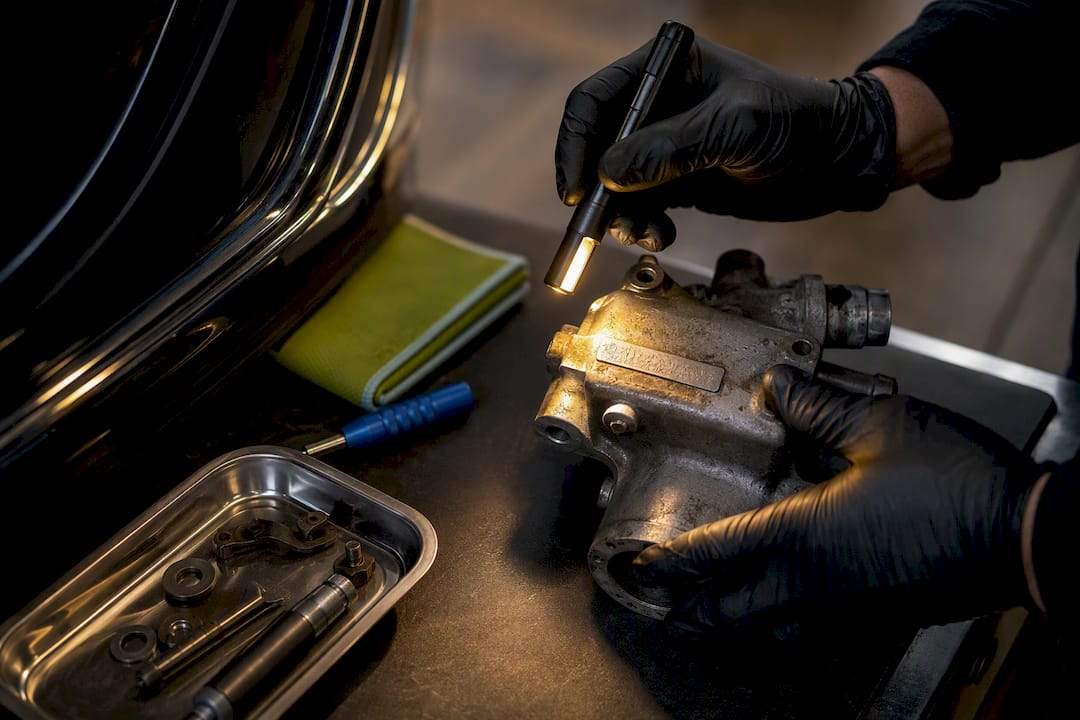
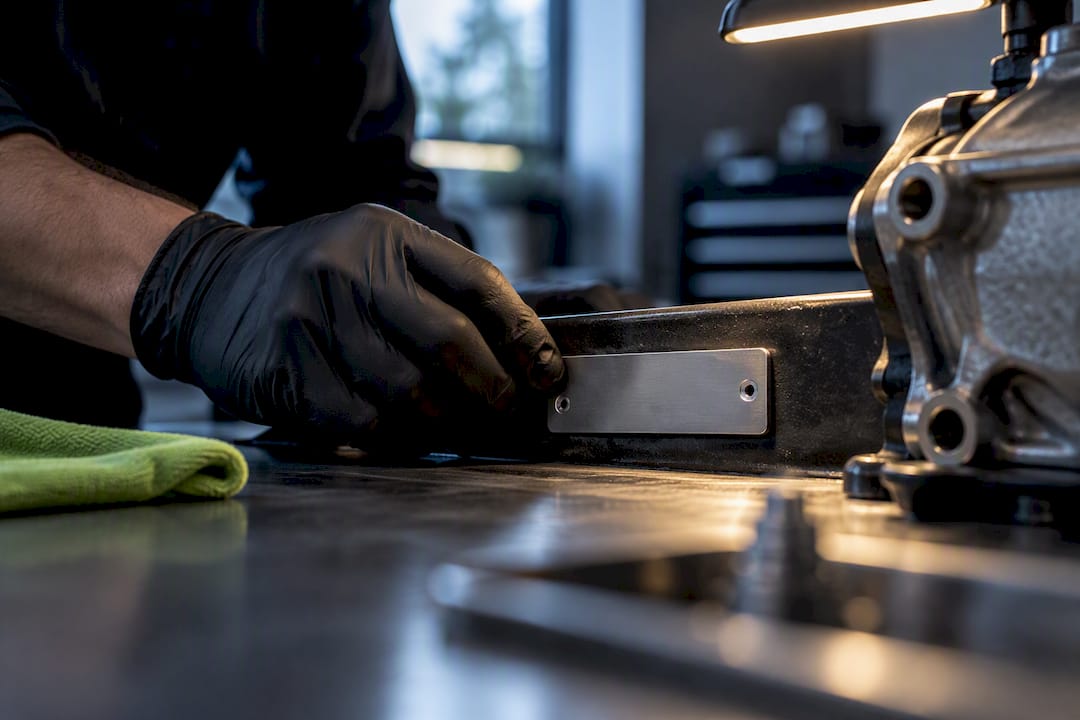
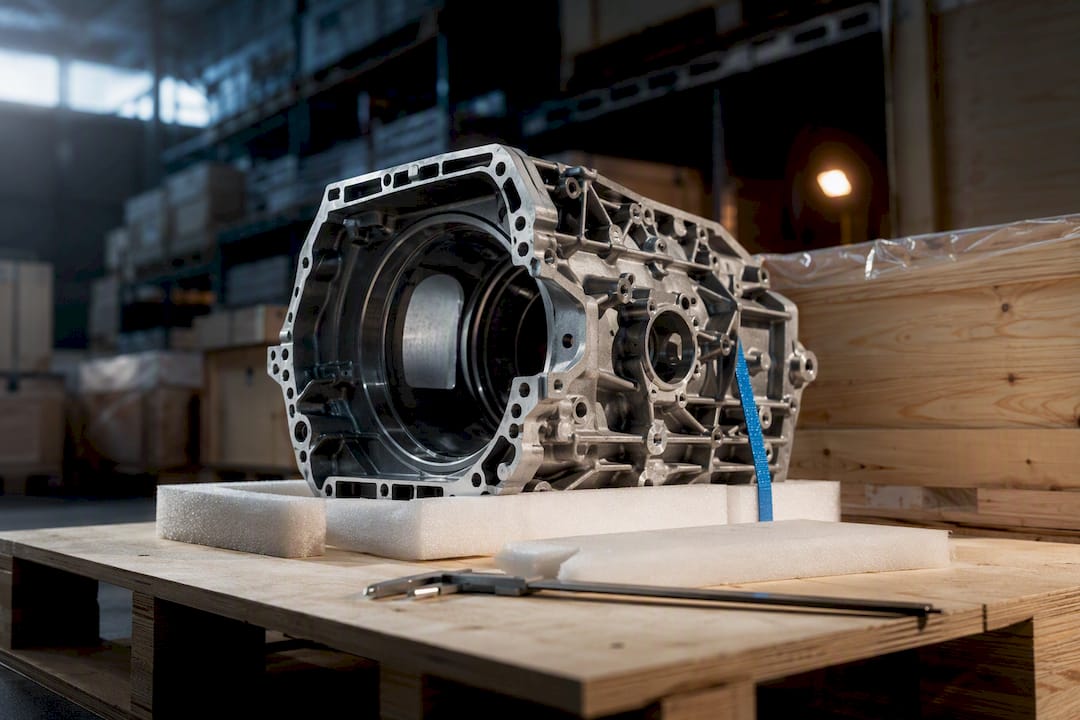
- Stamped or cast numbers on major assemblies. Engines, gearboxes, suspension components, and lighting units often carry their own stamped identifiers separate from the VIN, typically on a machined flat surface or cast boss.
- Parts tags and adhesive labels. Check the engine bay, trunk area, and glove box for factory stickers that list build codes and sometimes specific component numbers.
- Service records and manuals. Old repair invoices from dealer visits frequently list the exact part numbers replaced, which becomes a goldmine for restorers piecing together a car’s history.
Owners who skip the paperwork step lose real time. A reliable VIN-based lookup through an OEM catalog remains the single most consistent method because it pulls the build sheet the factory actually used, not a generic model-year assumption that ignores mid-year running changes.
Verifying and Decoding a Bentley Part Number
Finding a number is only half the job. Confirming it’s the right, current, authentic number is what keeps you from installing a part that technically fits but doesn’t match your car’s original spec.
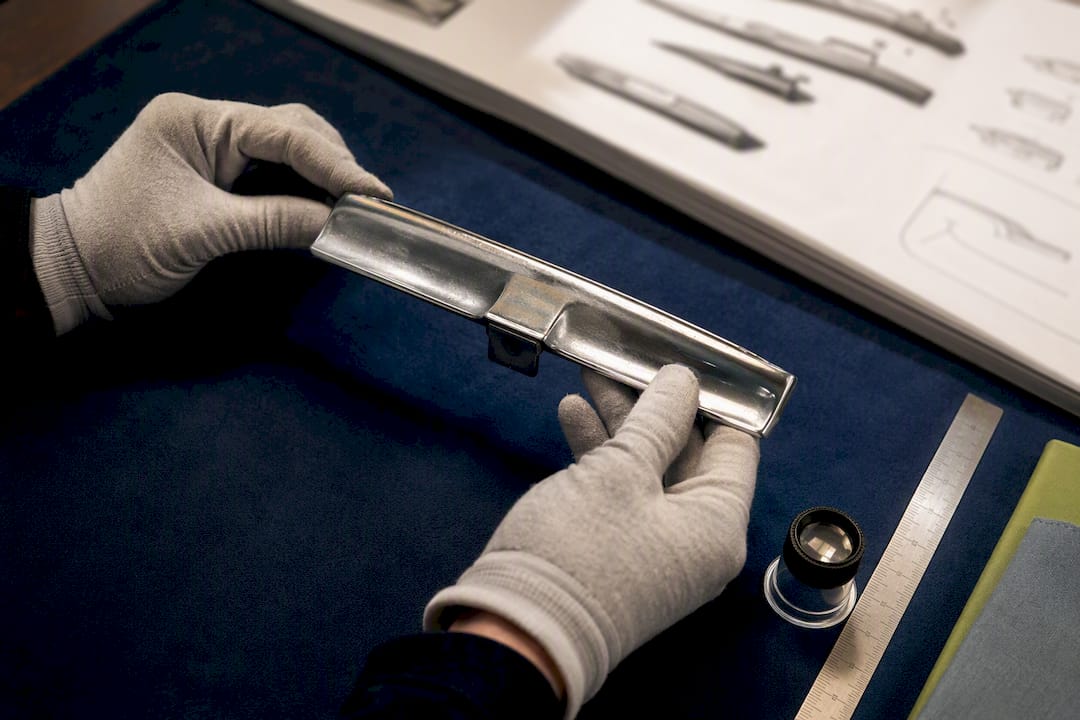
- Cross-check against the diagram before ordering. Match the OEM number you found back to the exploded parts diagram for your VIN. If the diagram shows a different number than what a seller quoted you, ask why.
- Read supersession entries carefully. An older number pointing to a newer replacement usually means Bentley updated the design, material, or supplier. For most repairs that’s fine. For concours-level restorations, it can mean a visible finish or fitment difference you need to know about upfront.
- Watch for aftermarket and remanufactured formatting. Genuine Bentley OEM numbers follow the manufacturer’s format consistently. Aftermarket parts often use a different numbering convention on the box or invoice, sometimes referencing the OEM number as a cross-reference rather than a primary identifier. That’s not automatically bad, but you need to know which you’re buying.
- Escalate to a dealer or specialist when the stakes are high. For a rare trim panel or an engine internal on a restoration project, a five-minute verification call beats a $2,000 mistake.
Pro Tip: Ask any seller for a photo of the actual part number stamped or printed on the component, not just the listing title. Listing titles get typos and copy-paste errors more often than you’d think.
How to Source Bentley Parts Once You Have the Number
With a verified OEM number in hand, you have three realistic paths, and each fits a different situation.
- Dealer order. Provide your VIN and the exact OEM part number. Dealers carry strong warranty backing but can face long lead times on discontinued or low-demand parts, since production runs depend on ongoing demand across the Bentley lineup.
- Specialist marketplace. Platforms built for exotic and luxury vehicle parts let you search by photo or partial number when you don’t have a clean OEM match yet, which shortens the hunt considerably compared to combing forums part by part.
- Salvage and restoration sources. For truly rare or discontinued components, a donor car or restoration specialist may be your only realistic option. Verify condition and exact compatibility against your VIN before committing.
Expect price and lead time to swing hardest on rarity. A common brake pad ships in days. A discontinued dashboard trim piece for a limited-production model can take weeks, and shipping plus customs on an international purchase adds real cost you should budget for upfront.
What I’ve Learned Chasing Down Obscure Bentley Parts
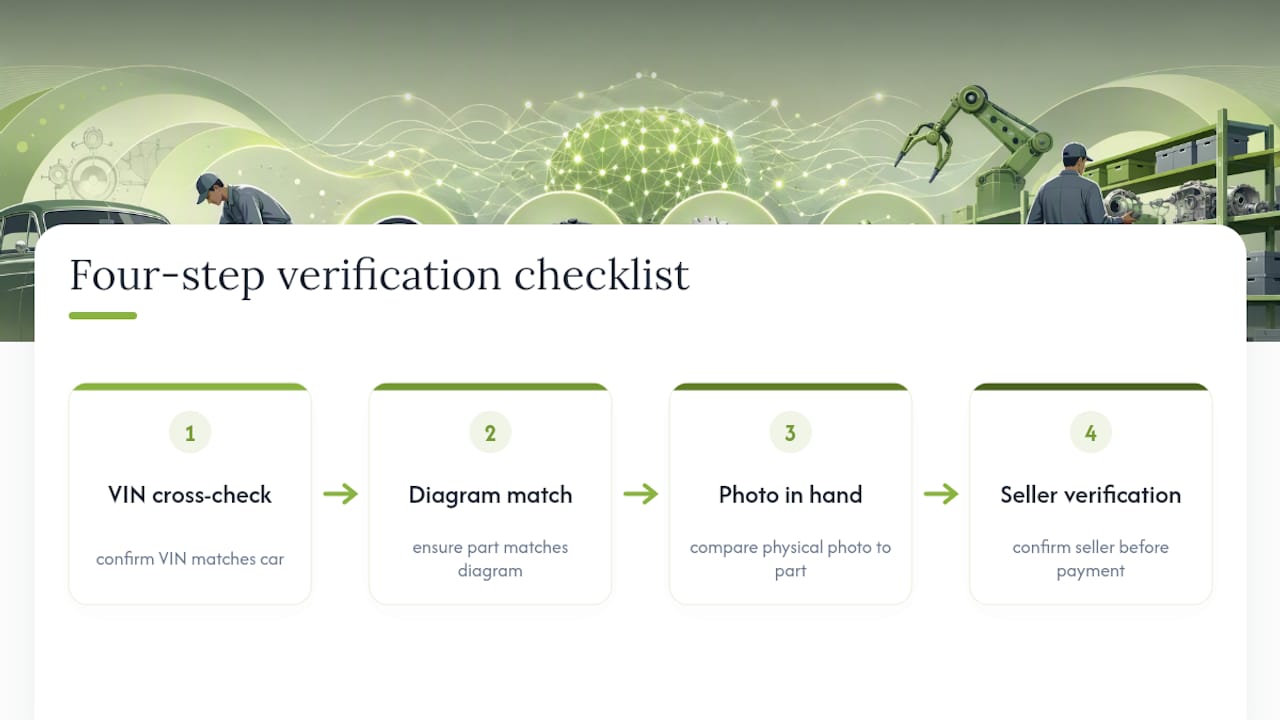
The restorers who waste the least time follow the same short checklist every time: VIN cross-check, diagram match, photo in hand, seller verification before payment. Skip any one of those steps and you’re gambling.
The most common mistake I see isn’t ordering the wrong part. It’s ordering the right part number in the wrong revision, because nobody checked the supersession history against the car’s actual build date. That single oversight causes more return shipments than any other error in this hobby.
Manual forum hunting still works, but it’s slow, and slow costs money when a car sits on jack stands waiting for one bracket. A marketplace with photo-based AI search collapses days of searching into minutes, which matters more than most people admit until they’ve lived through the alternative.
— Artem
Find Your Bentley Part Faster With Supercars.parts
Once you’ve got a VIN, an OEM number, or even just a clear photo of the part, Supercars gives you a direct path to over 365,000 exotic and supercar listings without the forum detour. The search matches photos and partial numbers against inventory, which aligns with the workflow this guide describes when you’re stuck without a clean catalog match.
Enter your VIN or OEM number if you have it, or upload a photo of the part if you don’t. The search narrows results fast, and you can verify seller details, shipping terms, and warranty coverage before committing to a purchase. If you’re mid-restoration and chasing a part that’s been discontinued for a decade, start your search at Supercars and see what’s actually available right now instead of guessing from an outdated forum thread.
Useful References for Bentley Parts Research
- Bentley OEM parts catalog and diagrams — the authoritative source for VIN-specific cross-checks and supersession history.
FAQ
What Is the Best Way to Find Bentley Part Numbers?
Start with a VIN lookup through an OEM parts catalog or dealer system, since it returns the exact parts built into your specific car rather than a general model-year assumption.
Can I Identify a Bentley Part From a Photo Alone?
Yes. AI-assisted marketplace searches like the one on Supercars can match a clear photo or partial number against active listings, which works well when you don’t have catalog access.
How Do I Know if a Bentley Part Number Has Been Superseded?
Check the parts diagram or catalog entry for a supersession note, which lists the newer replacement number when the original has been discontinued or redesigned.
Where on the Car Can I Find a Stamped Part Number?
Major assemblies like the engine, gearbox, and suspension components often carry their own stamped or cast numbers, separate from the VIN plate on the door jamb.
Is It Safe to Buy Bentley Parts From a Specialist Marketplace?
It can be, provided you verify the seller’s listing details, confirm the OEM number against your car’s diagram, and check shipping and warranty terms before paying.