2026 Carbon Ceramic Brake Costs for Supercar Owners, Save Thousands
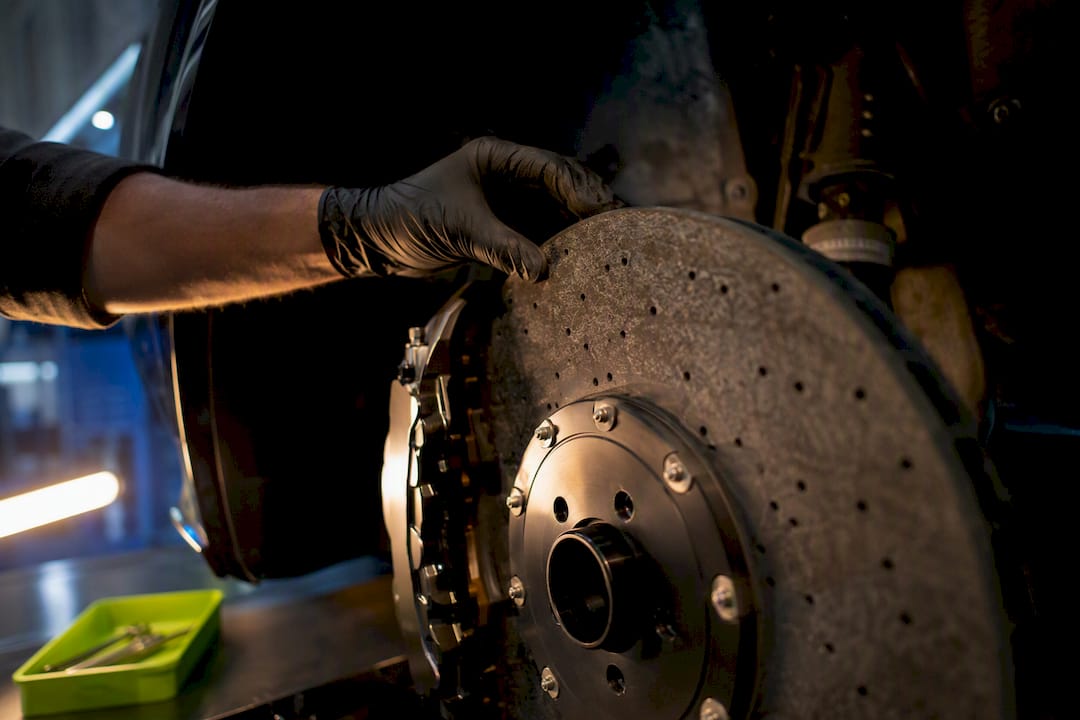
Installing carbon ceramic brakes typically costs thousands of dollars per axle for parts, with a full four-corner conversion potentially costing tens of thousands including labor and calibration. A compact performance car sits at the low end; a supercar or GT chasing an OEM dealer replacement sits at the high end. Your final number hinges on rotor size, whether you’re buying OEM or aftermarket, and how many calipers and sensors come along for the ride.
TL;DR:
- Manufacturing differences mean carbon ceramic rotors take days to weeks to produce, making them three to five times more expensive than cast iron rotors of similar size.
- Larger discs, vehicle-specific engineering, premium hardware, and special coatings significantly increase the overall cost of carbon ceramic brakes.
- Installation often requires recalibration of sensors and ABS systems, adding hundreds to thousands of dollars to the final bill, especially on exotic vehicles.
- The long-term cost-effectiveness rises with driving frequency and climate, but owners should verify part compatibility and request detailed quotes to avoid hidden charges.
Table of Contents
- How Much Does Carbon Ceramic Brake Cost Run Per Axle?
- What Drives the Cost: Manufacturing, Materials, and Engineering
- Price Examples and Scenarios by Vehicle Class
- Installation, Labor, and Hidden Fees to Watch For
- Carbon Ceramic Rotor Lifespan and the Real Break-Even Math
- Are Carbon Ceramic Brakes Worth It?
- How to Save Money on a Carbon Ceramic Brake Upgrade
- Itemized Cost Breakdown: Rotors, Pads, Calipers, Labor, and Taxes
- How Vehicle Model and Aftermarket Options Change the Price
- Repair or Replace: What Actually Decides the Cost
- Finding the Right Parts Without the Guesswork
- Author Perspective and Practical Next Steps
- Sources
How Much Does Carbon Ceramic Brake Cost Run Per Axle?
A single-axle carbon ceramic upgrade lands in three rough tiers, and knowing which one applies to your car saves you from sticker shock at the shop counter. The cost breakdown compiled by Cost Insider puts per-axle kit pricing in a range from low to high tens of hundreds to thousands of dollars, with labor adding several hundred to nearly two thousand dollars depending on complexity.
Those numbers cover rotors, pads, and mounting hardware. They usually don’t cover new calipers, brake lines, or the sensor recalibration a modern ABS system demands. Add those in and a “simple” front-axle job can jump by a thousand dollars or more.
Here’s how the math typically breaks down for common scenarios:
OEM option pricing varies; for example, some automakers offer carbon ceramic brakes for several thousand dollars as a factory option, and dealer replacement bills after warranty can exceed tens of thousands of dollars for certain exotic models, according to Motor1’s breakdown.
A few things worth keeping in mind as you shop quotes:
- Aftermarket kits from established brake manufacturers usually undercut OEM pricing by 20% to 40%, but not every kit fits every hub or caliper bracket.
- “Full system” pricing almost always means new pads too. Rotors and pads are sold and replaced together far more often than separately.
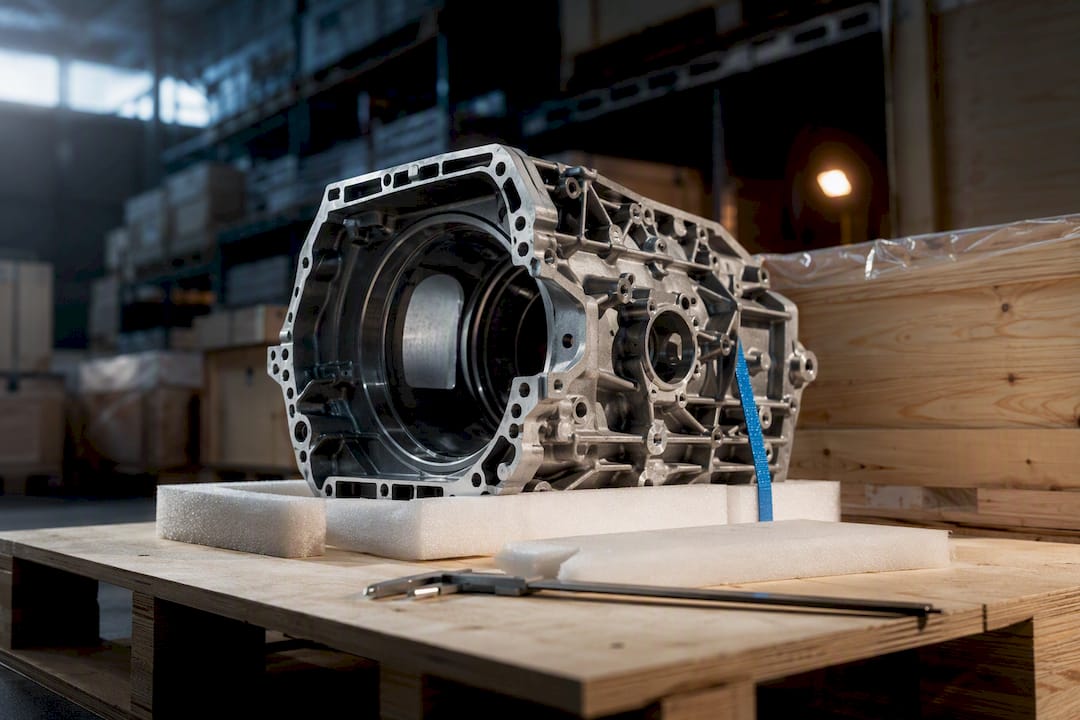
- Shipping and freight matter more here than with steel rotors. Carbon ceramic discs are packaged carefully and shipped from a small number of global manufacturing sites, which adds real cost to remote orders.
- Sales tax or VAT on a $9,000 axle set is not trivial. Budget an extra 5% to 10% depending on your state or country.
If a shop quotes you $2,500 for a “carbon ceramic upgrade,” ask what’s excluded. That number rarely survives contact with pads, sensors, and labor.
What Drives the Cost: Manufacturing, Materials, and Engineering
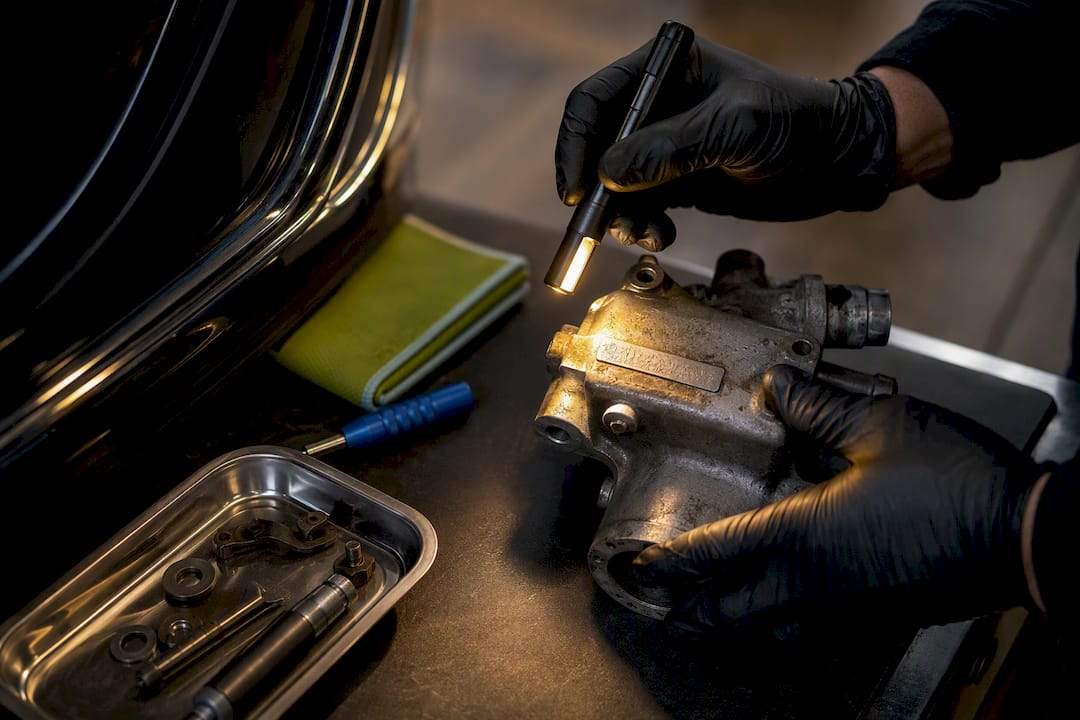
Carbon ceramic rotors cost more because they take dramatically longer to make than cast iron ones, not because of clever marketing. A standard cast-iron rotor can be cast, machined, and finished in about 90 minutes. A carbon ceramic disc can take days to weeks to produce, according to Motor1’s reporting on carbon ceramic manufacturing, because the carbon fiber preform has to be layered, infused with a silicon or resin matrix, and cured under controlled heat and pressure before it’s even machined to spec.
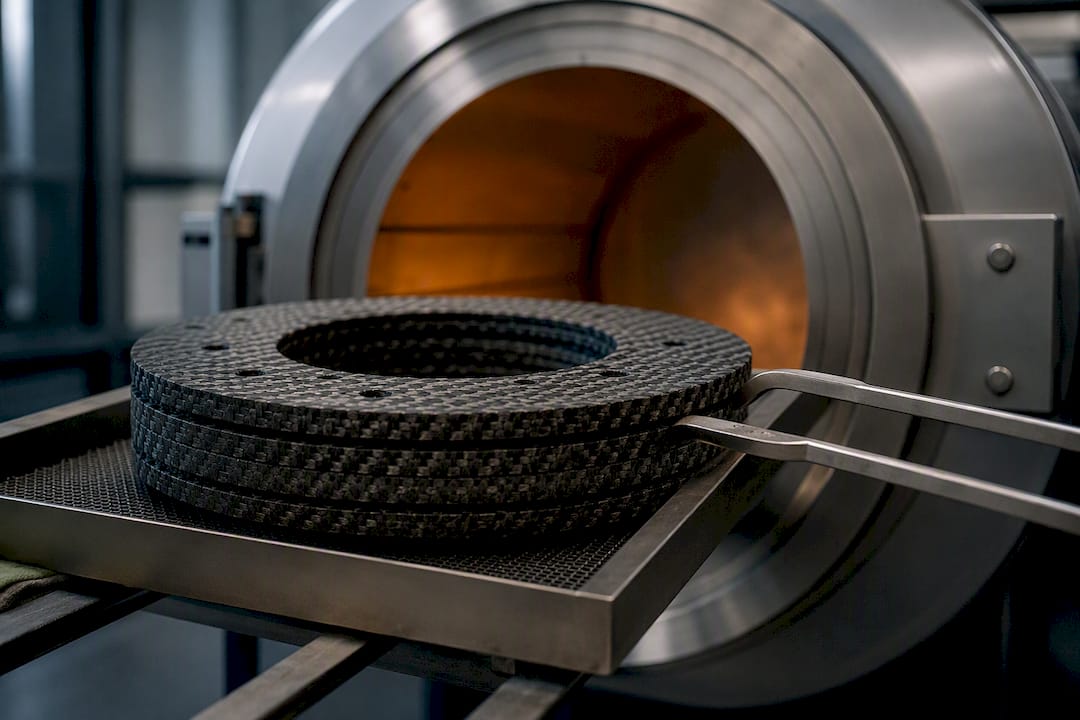
That production gap is the single biggest reason a carbon ceramic axle set costs three to five times more than an equivalent iron setup, even before labor is added.
Several other factors stack on top of raw manufacturing time:
- Rotor diameter and design. Larger discs need more carbon fiber material and longer cure cycles. A floating rotor design, where the disc face is bolted to an aluminum carrier rather than cast as one piece, adds parts and assembly labor but reduces warping under thermal stress.
- Carrier and hardware materials. Aluminum carriers, titanium bolts, and specialized anti-rattle clips all cost more than the steel equivalents used on iron rotors.
- Coatings and friction-face treatments. Some manufacturers apply silicon carbide (SiC) surface coatings to improve initial bite and reduce dust, which adds a processing step and a cost line.
- Vehicle-specific engineering. Every hub, caliper bracket, and sensor mount is slightly different across makes and models, so a kit engineered for one chassis rarely bolts onto another without custom adapters.
Brembo and other suppliers that pioneered carbon ceramic technology for motorsport carried those low-volume production habits into street applications, and the economics haven’t fundamentally changed: weight savings and heat capacity are real, but they come from a manufacturing process that doesn’t scale like stamped steel does. That’s why a rotor that weighs half what its iron counterpart weighs can still cost four times as much.
Price Examples and Scenarios by Vehicle Class
Numbers land differently depending on what you drive. Here’s how a realistic quote tends to shake out across four common vehicle categories, based on typical aftermarket and OEM pricing patterns.
A compact sport car owner swapping a front axle to shed unsprung weight is likely to spend a few thousand dollars all in, according to scenario modeling from Cost Insider’s carbon ceramic pricing guide. That’s a meaningful jump over steel rotors, but it’s within reach for a dedicated track day car.
Step up to a midsize performance sedan doing a full conversion, and the cost increases to several thousand dollars once both axles, pads, and labor are included. This is the tier where many enthusiasts land: enough performance gain to justify the spend, without the very high costs of a supercar.
Premium sports cars and luxury sedans with OEM-grade carbon ceramic options may have complete system prices in the range of several thousands of dollars, consistent with factory option pricing from brands like BMW, Porsche, and Cadillac. At the high end, a supercar or GT car needing a dealer replacement, outside warranty, on all four corners may have costs that reach tens of thousands of dollars once factoring in specialized calipers, sensor recalibration, and diagnostic tools.
Pro Tip: Ask your shop for a written quote broken into rotors, pads, calipers, and labor as separate line items. A bundled “brake package” price hides which component is driving your cost, and it’s the single easiest way to spot an inflated labor charge.
Installation, Labor, and Hidden Fees to Watch For
Labor is where quotes quietly diverge. A full four-corner carbon ceramic conversion typically requires several hours of shop time, while single-axle installs take fewer hours, according to installation labor benchmarks from Cost Insider. Shop rates for this specialized work vary and can be higher at exotic-brand dealerships than at independent performance shops.
Watch for these add-ons before you sign off on a quote:
- Sensor and ABS/ESC calibration. Many carbon ceramic setups use embedded wear sensors or different rotor thickness profiles that require a software reset through a dealer-level scan tool.
- Core charges. Some suppliers charge a refundable deposit on old rotors or calipers to encourage recycling, which shows up as a separate line item.
- Disposal and fluid fees. Brake fluid flushes, old pad disposal, and shop supplies often get tacked on separately from the headline labor number.
- Alignment and diagnostic checks. A post-install alignment or a full diagnostic scan to confirm ABS function isn’t always included in the base labor quote.
- Bespoke adapter fabrication. If your car needs a custom bracket to fit an aftermarket caliper, that machining time adds hours you won’t see quoted upfront.
Dealer-only tools push labor time up on exotic and low-volume models, since independent shops often can’t access the proprietary calibration software those brakes require.
Carbon Ceramic Rotor Lifespan and the Real Break-Even Math
Carbon ceramic rotors typically last a very long distance under normal street driving, reportedly several times longer than conventional cast-iron rotors, according to AME Motorsport’s carbon ceramic brake cost guide. Track use changes that math entirely: rotor life there is better measured in track sessions than kilometers, since sustained high-temperature braking accelerates wear far beyond street conditions.
The break-even point for most street-driven cars occurs after many tens of thousands of kilometers, considering that cast-iron owners replace rotors and pads multiple times over that distance, whereas carbon ceramic owners typically replace pads less frequently.
A few things shorten that break-even window in practice:
- Coastal or heavily salted climates accelerate corrosion on iron rotors, making the carbon ceramic comparison favorable sooner.
- Frequent track days compress the timeline dramatically, since thermal cycling matters more than mileage.
- Long ownership horizons help carbon ceramic pay off; owners who trade cars every two to three years rarely reach the break-even point at all.
The failure modes that actually end a carbon ceramic rotor’s life aren’t gradual thickness loss the way iron wears. It’s oxidation, surface chipping, and pad mismatch, according to StopFlex’s guide to carbon ceramic brake lifespan. Run the wrong friction compound against a carbon ceramic disc and you can ruin a rotor that had another 100,000 kilometers left in it. Pad chemistry, not mileage, is often the hidden variable that decides whether your investment pays off.
Are Carbon Ceramic Brakes Worth It?
The honest answer depends on how you drive, not how much you love the idea of carbon fiber on your car. Weigh these trade-offs against your actual use case before you commit.
What you gain:
- Dramatically better heat resistance and fade reduction under sustained hard braking.
- Unsprung weight savings that improve handling response, since less rotating mass at each corner means quicker suspension reaction.
- Lower brake dust, which keeps expensive wheels cleaner between washes.
- A genuinely longer service life than iron under normal street use.
What you give up:
- A replacement bill that can run five to ten times what iron rotors cost.
- Slightly reduced initial bite when cold, since carbon ceramic needs heat to reach peak friction, which matters if you drive in cold climates without a warm up lap.
- Real risk of premature failure from pad mismatch, curb impacts, or careless track use that chips the rotor edge.
Match the technology to your actual habits. A daily driver in a mild climate rarely recoups the cost. An occasional track day car does better, but the real payoff shows up for owners who drive hard and often, especially in corrosive coastal climates where iron rotors rust and warp faster. Collectors preserving a car’s factory specification for resale value have their own logic entirely, since originality often outweighs the cost math.
How to Save Money on a Carbon Ceramic Brake Upgrade
You have more room to negotiate than most shops let on, and a few smart moves can knock hundreds off the final bill without compromising safety.
- Consider used OEM rotors from a low-mileage donor car, but inspect for minimum thickness stamps, edge chips, and hat wear before buying. A rotor near its wear limit isn’t a bargain.
- Verify part numbers and fitment before ordering aftermarket, since a carrier or bolt pattern mismatch turns a good deal into a return shipment.
- Ask shops for line-item quotes covering rotors, pads, calipers, and labor separately, then negotiate each line rather than the bundled total.
- Factor in core charges and shipping when comparing sellers, since a lower sticker price can disappear once freight on a heavy, carefully packaged rotor set gets added.
Pro Tip: Always confirm warranty terms before buying used carbon ceramic components. Most manufacturers won’t warranty a rotor once it’s been removed from its original vehicle, so “as-is” pricing should reflect that risk.
Itemized Cost Breakdown: Rotors, Pads, Calipers, Labor, and Taxes
Breaking a quote into its parts makes it easier to spot where your money actually goes. Pads run a distant second, usually $200 to $600 per axle depending on compound, but they’re replaced far more often than the rotors themselves.
Calipers, when included in the upgrade rather than reused, add another significant chunk. Multi-piston fixed calipers designed for carbon ceramic discs often run $1,000 to $3,000 per axle on top of rotor cost, especially when they come finished in a specific color or branded with a manufacturer logo.
Labor, as covered earlier, ranges from $300 for a straightforward bolt-on axle to $1,800 for a full system requiring calibration. Taxes and shipping are the two line items buyers forget to budget for. Sales tax or VAT on a five-figure brake system is a real number, often $500 to $1,000 depending on your jurisdiction, and freight on heavy, carefully crated rotor sets from overseas manufacturers can add $100 to $300 per shipment. Ask for an all-in total before you commit, not just a parts subtotal.
How Vehicle Model and Aftermarket Options Change the Price
Your specific make and model matters more with carbon ceramic than almost any other performance upgrade. A kit engineered for a Porsche 911 won’t fit a Ferrari, even though both cars might use similarly sized rotors, because caliper mounting points, hub designs, and sensor placement are all vehicle-specific.
This is where aftermarket suppliers earn their keep. The trade-off is availability: aftermarket kits for common performance cars are easy to find, while kits for rare or low-production supercars may require a custom fitment quote or a longer lead time to source the correct carrier and adapter hardware.
Trim level matters too. A base model and its high-performance variant frequently share a chassis but use entirely different rotor diameters and caliper mounts, so a part that fits one won’t necessarily fit the other, even within the same model year.
Repair or Replace: What Actually Decides the Cost
Whether you’re looking at a repair bill or a full replacement often comes down to how the rotor failed, not just how old it is. Surface-level issues, minor glazing, light oxidation staining, or a small chip near the outer edge, sometimes can be addressed by a specialist without a full rotor swap, though this is far less common with carbon ceramic than with iron rotors because the material doesn’t resurface the way iron does under a lathe.
Structural damage is a different story. Cracks that extend through the friction face, significant chipping from a curb strike, or thickness loss below the manufacturer’s minimum spec all mean replacement, not repair. There’s no safe way to machine a carbon ceramic disc back to spec once it’s damaged structurally, unlike iron rotors which can sometimes be resurfaced.
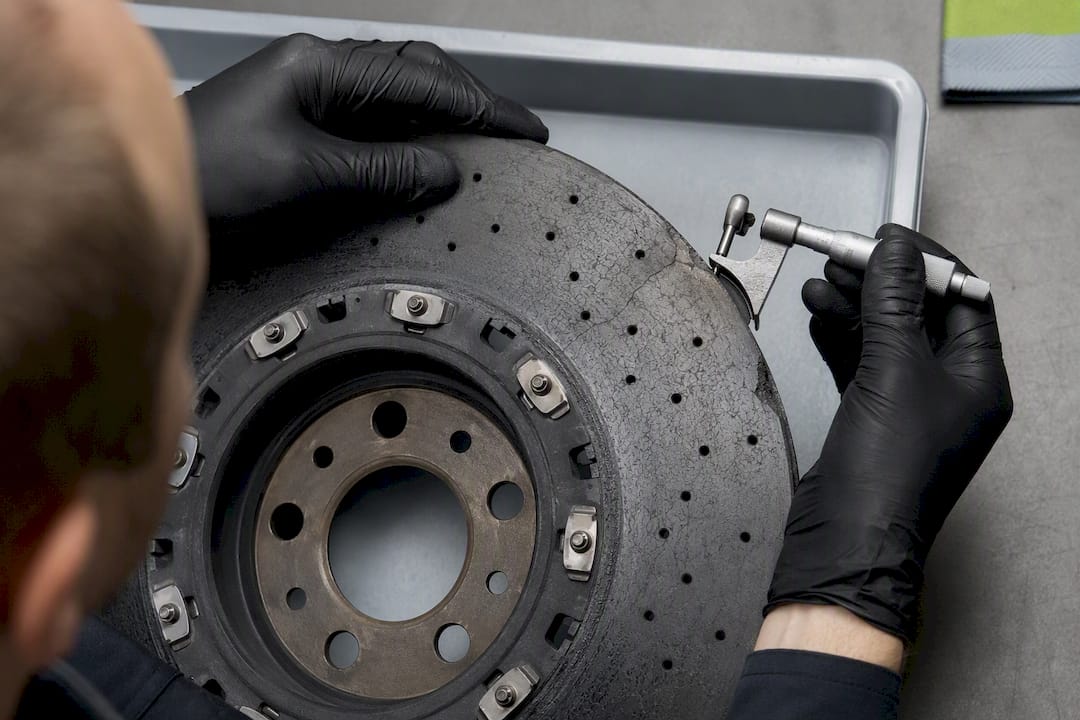
Age and mileage factor in too. A rotor sitting near the top of its expected 150,000 to 300,000 kilometer lifespan is a poor candidate for repair even if the current damage looks minor, since it’s likely approaching other wear limits simultaneously. Pad mismatch is worth flagging separately here: if a rotor shows unusual wear patterns, check whether the wrong friction compound was installed before assuming the rotor itself is at fault. Sometimes a $200 pad swap solves what looked like a $4,000 problem.
Finding the Right Parts Without the Guesswork
Sourcing the correct carbon ceramic rotor, caliper, or hardware kit for a specific chassis is often harder than paying for it. A marketplace lists a vast number of exotic and supercar parts across various premium brands, covering both OEM and aftermarket components.
An AI-driven search feature helps users quickly find compatible parts for their specific chassis and caliper mounts by narrowing search results based on described needs, rather than browsing generic listings. That matters most when you’re hunting for a discontinued OEM rotor or a carrier bolt pattern specific to a low-production supercar, the kind of part that a general auto parts retailer simply doesn’t stock.
Marketplace sourcing can shorten lead time significantly when a dealer quotes months for a backordered OEM assembly, and it opens access to rare parts that otherwise only surface through specialty forums. One honest caveat: finding the part is only half the job. Sensor calibration, ABS/ESC resets, and dealer-level software work still require a qualified specialist, especially on supercars with proprietary diagnostic requirements. Browse the current supercar parts marketplace to see what’s listed for your model, or use the search tool to check whether the exact carbon ceramic rotor or caliper you need is already in stock.
Author Perspective and Practical Next Steps
The carbon ceramic pricing conversation has shifted in the last few years. Aftermarket suppliers have closed some of the gap with OEM pricing, but full dealer replacements on exotic models still land in five-figure territory, and that’s not changing anytime soon given how manufacturing-intensive these rotors remain. The real decision point isn’t whether you can afford the upgrade. It’s whether your driving pattern, climate, and ownership horizon actually reach the break-even point where carbon ceramic pays for itself.
Before requesting quotes, do three things: measure or confirm your exact rotor diameter and part number, request a line-item breakdown from every shop you contact, and verify the pad compound matches your rotor’s specification before installation. Pad mismatch remains the most preventable, and most expensive, mistake in this category. Getting those three details right before you spend a dollar will save you from the surprises that turn a good upgrade into a costly one.
— Artem