50–100% Higher Labor: Carbon Fiber Repair Costs for Exotic Owners
Expect a cosmetic repair to cost a few thousand dollars at minimum, and structural replacements to cost significantly more. The deciding factor isn’t the size of the crack you see. It’s whether the carbon fibers themselves are broken or the damage reaches bonded joints and chassis structure. Painted panel work moves fast; structural repairs often mean factory involvement, months of waiting, and documentation that matters as much as the fix itself.
TL;DR:
- Structural repairs on carbon fiber are costly if they involve bonded joints or structural parts, often requiring factory involvement and extended delays.
- Repairing visible-carbon panels with weave matching can double labor costs compared to painted panels due to the precision needed for an invisible finish.
- Damage location near structural points or edges significantly increases repair costs, especially if the part is rare or requires specialized certification.
- A detailed pre-approval process that includes NDT results, scope of work, part sourcing, and cost itemization is essential to avoid unexpected expenses.
- Confirming the availability and shipping speed of OEM or aftermarket parts beforehand can drastically influence whether repair or replacement is the smarter choice.
Table of Contents
- What Drives Carbon Fiber Repair Cost
- What Factors Push Your Quote Up or Down
- Repair or Replace: How to Decide
- Real-World Price Ranges by Part and Damage Type
- What to Ask Your Shop Before You Approve the Estimate
- Sourcing the Right Part Changes the Whole Equation
- Preservation vs. Practicality: My Take
- Find the Right Part Before You Commit to a Repair Estimate
- Sources
What Drives Carbon Fiber Repair Cost
A carbon fiber invoice rarely breaks down the way a steel-panel estimate does. Labor, parts, testing, and finishing each carry their own logic, and any one of them can blow up a quote that looked reasonable on paper.
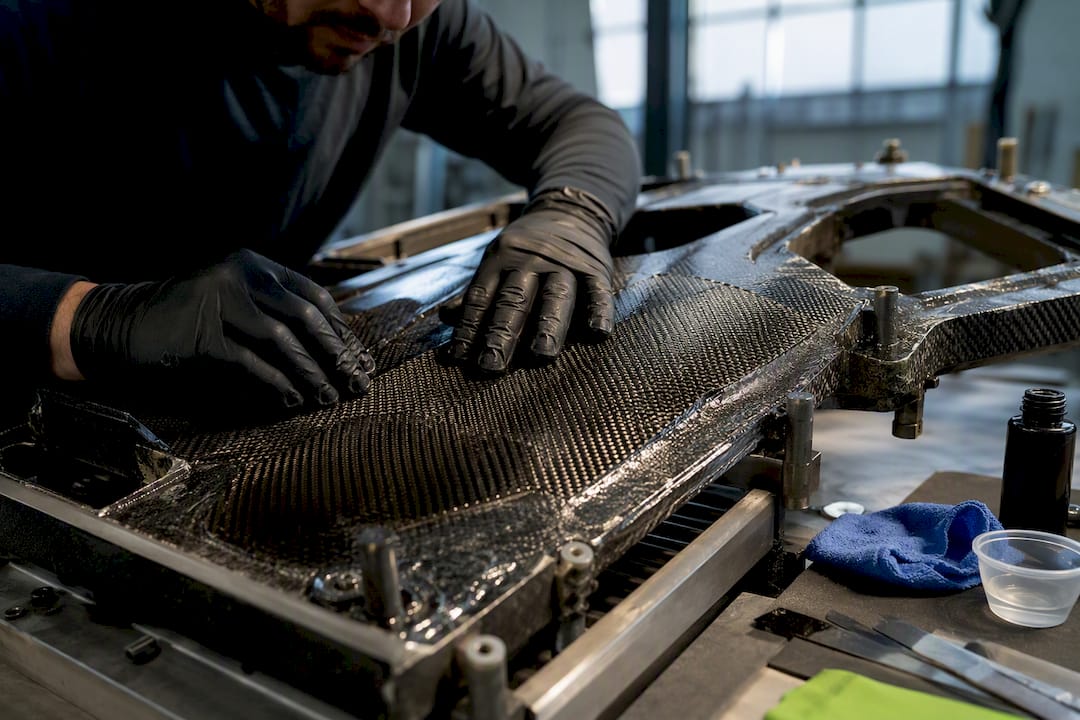
Labor is the biggest variable. Composite technicians who work on exotic carbon typically charge more per hour than a standard body tech, because the skill set (weave alignment, resin work, vacuum bagging, oven cure scheduling) takes years to build and mistakes aren’t fixable with filler and sandpaper. Shops willing to touch a McLaren tub or a Lamborghini splitter are scarce, and scarcity sets the rate.
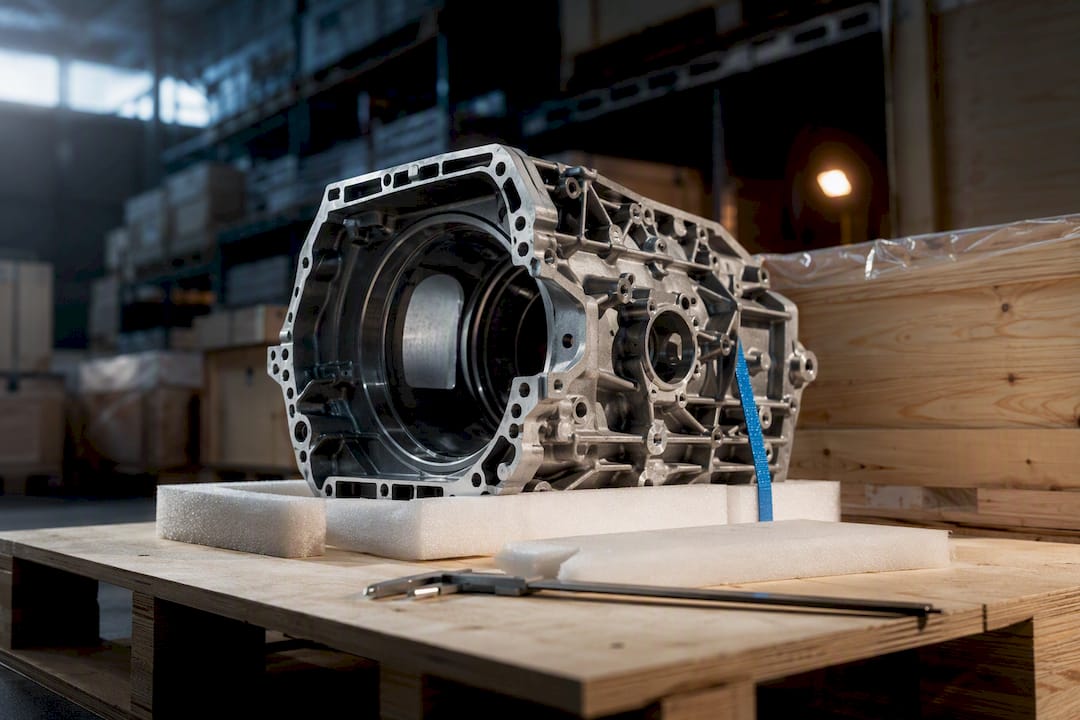
Parts split into three tiers: OEM factory panels, aftermarket composite replacements, and used or salvage sections. OEM parts for low-volume supercars can carry lead times of many weeks because they’re built in small batches, sometimes only after a factory order is placed. That wait itself becomes a cost, since your car sits.
Specialized processes add their own line items:
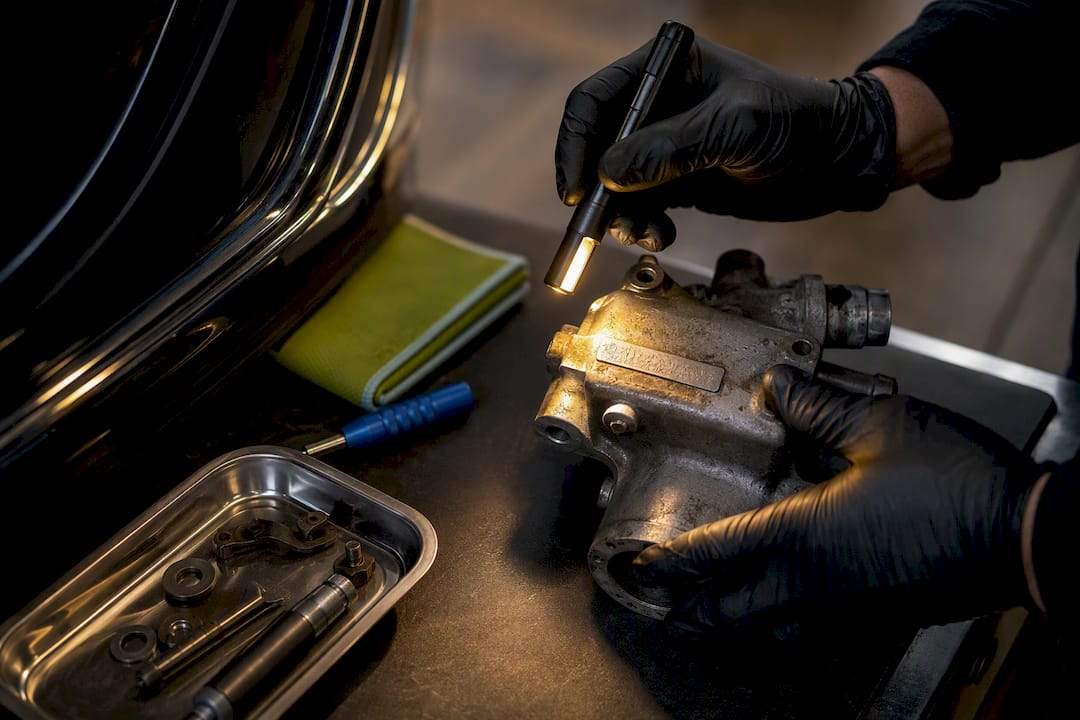
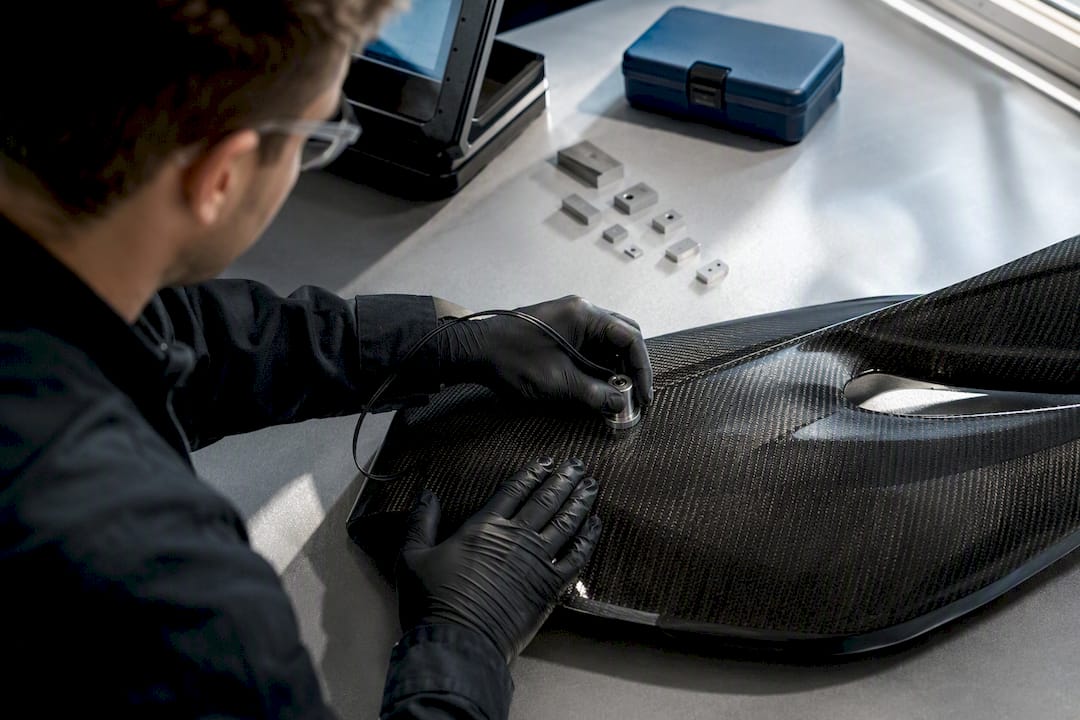
- Non-destructive testing (NDT) to check for delamination or hidden fiber breaks beneath an intact-looking surface
- Clean-room bonding to avoid contamination during resin cure
- Oven curing cycles that require precise temperature and time control
- Weave pattern matching on exposed-finish parts, where even a slight misalignment ruins the look
Add-on costs that surprise first-time owners include enclosed transport for low-clearance cars, secure storage while parts are on backorder, paint protection film or ceramic coating after finish work, and sensor recalibration if the damaged panel housed radar or cameras. None of these show up in a quick phone quote, but they show up on the final bill.
What Factors Push Your Quote Up or Down
Two cars with what looks like identical damage can land tens of thousands apart in cost. The variables below explain why.
Finish type matters more than most owners expect. Painted carbon fiber panels can often be repaired with standard fiberglass-reinforced-plastic techniques, because the paint hides minor imperfections in the underlying repair. Exposed weave has no such cover. Matching weave alignment and resin clarity on a visible-carbon panel often adds 50 to 100 percent to labor cost compared with a painted equivalent, since the repair has to be invisible under close inspection, not just structurally sound.
Location of the damage matters as much as its size. A scuff in the middle of a flat panel is often repairable. The same size damage near an edge, a mounting point, or a bonded seam frequently pushes a shop toward replacement, because those zones carry structural load and are harder to verify with confidence after a repair.
- Rarity of the part (low production numbers, discontinued molds) raises both price and lead time
- Shop capability and certification level changes what’s even possible locally
- Insurer direct-repair-program relationships and regional shop availability shift your options and your out-of-pocket exposure
Pro Tip: Ask upfront whether your shop’s estimate assumes a straightforward repair or already accounts for likely hidden damage. A quote that seems too good often hasn’t opened the panel up yet.
Repair or Replace: How to Decide
Some decisions are straightforward. Others need a teardown before anyone can answer honestly.
- Check whether the part is safety-critical. Chassis structure, tub sections, and load-bearing bonded joints usually get replaced rather than repaired when damage is confirmed, because OEMs and specialists often prefer replacement for significant structural damage rather than accept residual risk.
- Let NDT and disassembly guide the call. Ultrasonic or thermographic testing reveals delamination invisible from outside; don’t sign off on a repair plan until that inspection is done.
- Weigh provenance against practicality. A documented, OEM-approved repair can preserve a collector car’s history and value. A patched panel with no paperwork does the opposite, even if it drives fine.
- Watch for red flags: spreading cracks away from the impact point, a hollow sound on tap-testing near the damage, or a shop that can’t explain its NDT method. Any of these should push you toward replacement over repair.
Real-World Price Ranges by Part and Damage Type
Numbers vary by make, region, and shop, but rough bands help you sanity-check an estimate before you commit.
- Painted cosmetic panel repair (a bumper corner or rocker panel scuff): typically the fastest and least expensive category, often wrapped up in one to two weeks once the shop has the part in hand.
- Exposed weave cosmetic repair: the same size damage on a visible-carbon hood or splitter usually costs noticeably more and takes longer, since weave matching leaves zero margin for error and a bad match means starting over.
- Structural repair or major bonded-section replacement: this is where costs escalate fastest. High-end marques building carbon tubs, McLaren among them, often design sacrificial crush structures specifically so customer-facing repairs stay contained, but a genuine MonoCell repair that bypasses that design intent can run very expensive and typically requires factory or factory-licensed involvement.
- Rare hypercars add their own penalty. Owners of cars like the Pagani Huayra should expect even modest visible repairs to run expensive and slow, since bespoke finishes, factory control over parts, and provenance concerns compound the base repair cost.
- Transport, finish matching, and calibration fees commonly appear as separate invoice lines rather than being folded into the headline repair price, so ask for them itemized up front.
What to Ask Your Shop Before You Approve the Estimate
A reliable estimate protects both your wallet and your car’s future resale value. Bring this list to the first conversation.
- Request a written scope of work listing every panel or component being removed, the NDT method used, and the specific resins and cure cycles involved.
- Ask to see photos of similar prior repairs and, ideally, speak with a past customer.
- Confirm whether OEM parts or aftermarket equivalents are being used, and get a clear process for change orders if hidden damage turns up mid-repair.
- Get transport, storage, and calibration costs itemized separately rather than bundled into a single “repair” line.
- Require a final photo set and any available certification, especially if the car will be sold, insured at high value, or shown.
Many experienced shops prefer to receive the damaged part removed and delivered bare, since curing ovens and heat cycles can damage attached hardware or electronics left in place. That preference isn’t shop laziness; it’s a practical constraint tied to how composite repair actually works, and it affects whether disassembly labor lands on your bill or your mechanic’s.
Pro Tip: Save every document the shop gives you, even the boring ones. A resin batch number or NDT report sounds trivial until an insurer or a future buyer asks for proof the repair was done right.
Specialist composite shops serving luxury restorations increasingly combine aerospace-grade process control with traceable documentation, which is exactly the paper trail collectors and insurers want to see later.
Sourcing the Right Part Changes the Whole Equation
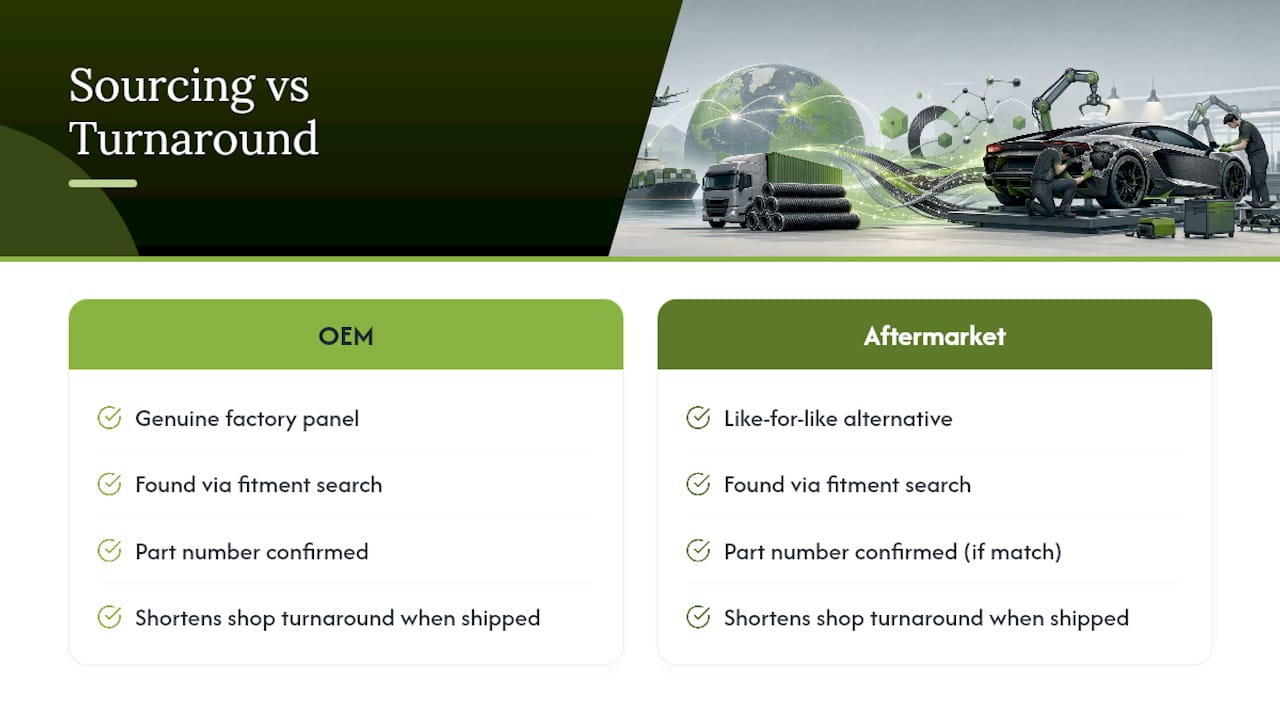
Half the repair-versus-replace math comes down to whether a matching part even exists and how fast you can get it. A marketplace built around exotic inventory, searchable by fitment rather than guesswork, lets owners and shops compare a genuine OEM panel against a like-for-like aftermarket option before committing to either path. Having the correct part number confirmed and the part physically on the way often shortens shop turnaround more than any negotiation over labor rates.
Preservation vs. Practicality: My Take
Paying more for an OEM-correct, documented repair earns its keep on cars where provenance drives value: think concours-eligible builds or low-mile collector pieces. On daily-driven exotics, a well-executed replacement that gets the car safely back on the road often beats an expensive patch chasing originality nobody will ever verify. Either way, the paperwork matters more than the invoice total.
— Artem
Find the Right Part Before You Commit to a Repair Estimate
Supercars.parts exists for exactly this moment, when you’re staring at a repair quote and wondering whether a replacement panel would actually be cheaper and faster. Its marketplace lists over 365,000 parts across exotic and luxury brands, and its AI-driven search cuts through the usual guesswork of matching part numbers and fitment for cars where the dealer parts counter often can’t help.
If a shop has flagged structural damage or a discontinued panel, search the Supercars for an OEM or matched replacement before you sign off on a repair plan. Confirming the part is available, and how fast it can ship, gives you the real number to compare against the repair quote instead of guessing.