Import Supercar Parts Without Fitment Mistakes Using VIN Checks and AI
The most reliable channels are specialist exotic parts marketplaces, factory OEM dealers, and vetted importers who document every part they ship. Skip general classifieds unless you can independently verify the seller. Before you contact anyone, pull your VIN and the exact OEM part number. That single step, plus insuring anything expensive in transit, prevents most of the costly mistakes owners make when they import supercar parts from overseas.
TL;DR:
- Specialist marketplaces and vetted importers provide more reliable options compared to general classifieds, especially for rare or discontinued parts.
- Verifying the exact OEM part number, inspecting high-resolution photos, and confirming fitment details are crucial steps to avoid costly mistakes.
- Shipping methods impact delivery times, with air freight suited for urgent parts and container shipping for non-urgent, heavy components, while customs paperwork can cause delays.
- Rarity and build specifics significantly influence part costs and timelines, with discontinued OEM parts commanding premium prices and lengthy delivery estimates.
- Using large inventory platforms with AI search features reduces guesswork, but buyers must always conduct thorough verification and secure insurance for expensive shipments.
Table of Contents
- Where To Find Imported Supercar Parts: Marketplaces, Dealers, and Importers
- How Do You Verify a Part’s Authenticity and Fitment Before You Pay?
- Shipping, Customs, and Insurance: What to Expect
- Cost Drivers and Realistic Timelines When Importing Supercar Parts
- How Specialist Marketplaces Cut Through the Noise
- What I’ve Learned Chasing Down Parts That Don’t Exist Anymore
- Start Your Search on Supercars.parts
- Where to Check Specs and Shipping Details Before You Buy
- Sources
- FAQ
Where To Find Imported Supercar Parts: Marketplaces, Dealers, and Importers
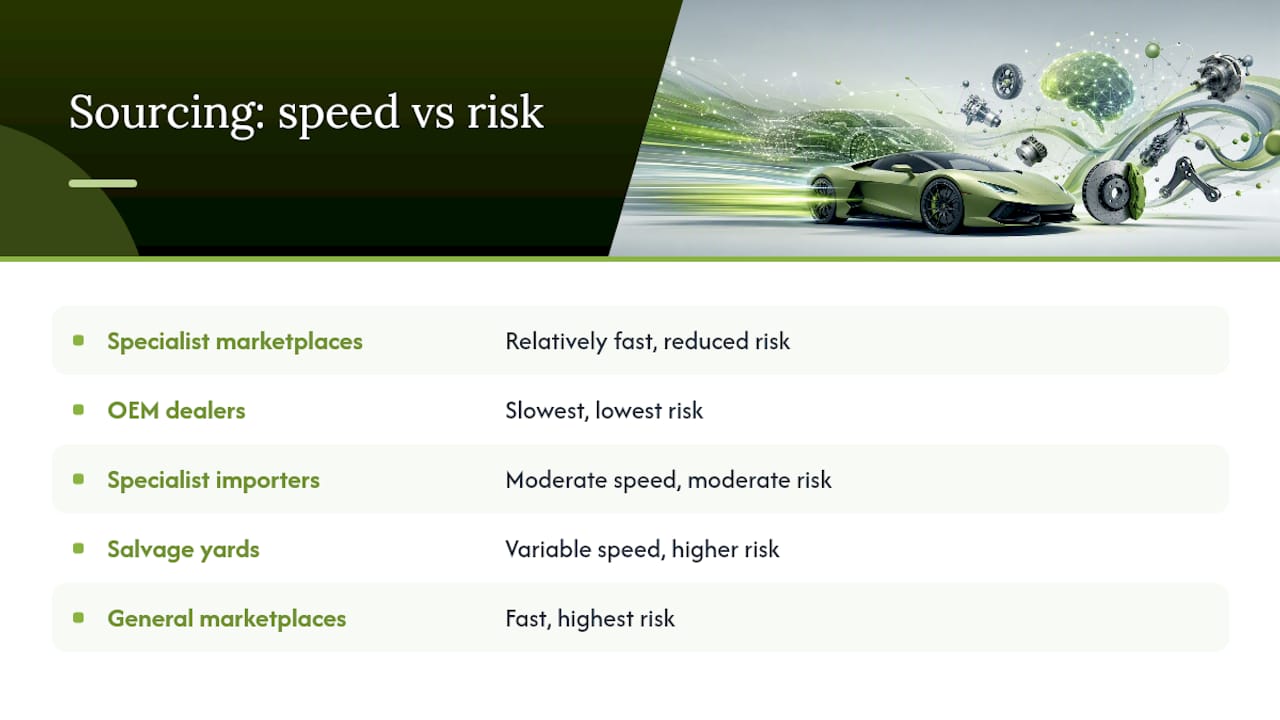
Every sourcing channel trades speed against risk, and knowing which one fits your situation saves you weeks of frustration.
Specialist exotic marketplaces and brokers aggregate listings from vetted sellers and often standardize how parts get described, which cuts down on the guesswork that ruins a lot of overseas purchases. A platform built specifically around exotic inventory tends to enforce better listing standards than a general auto parts site, simply because the sellers on it specialize in the same narrow category you’re shopping.
OEM dealer channels remain the gold standard for authenticity. Order against your VIN, and the dealer’s parts department pulls the exact revision your chassis needs. The tradeoff is cost and patience: dealer markup runs high, and back-ordered exotic components can sit on a factory queue for months.
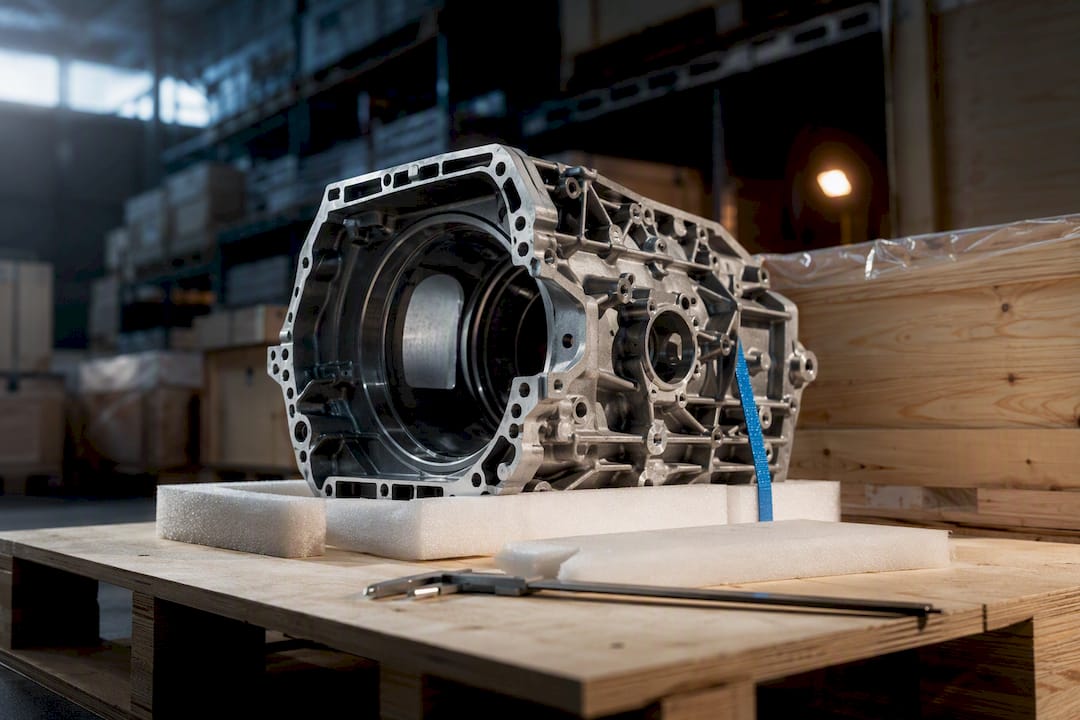
Specialist importers and remanufacturers fill the gap for discontinued or ultra-rare pieces. These are shops that source, recondition, or fabricate parts no longer in factory production. They’re often the only realistic option for a 20-year-old Italian gearbox housing.
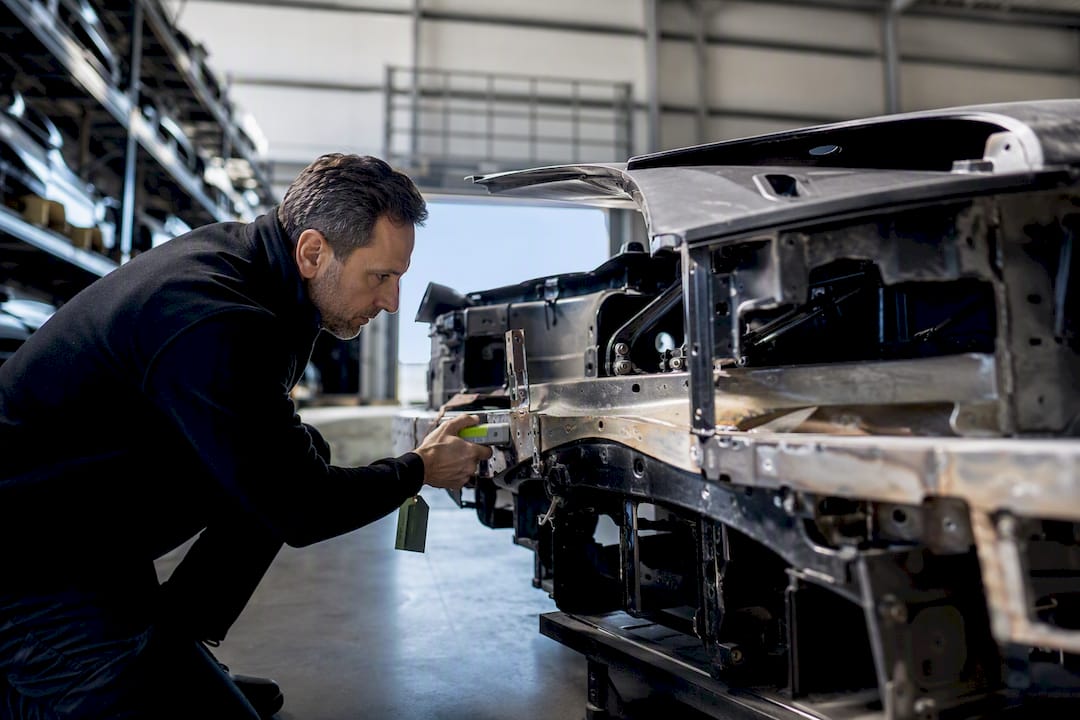
Salvage yards and dismantlers work well for non-structural components. Trim pieces, non-structural body panels, and electronics pulled from a donor car can save real money, but always request inspection photos and, where possible, arrange a third-party check before wiring funds.
General marketplaces and classifieds carry the highest risk in this category. Anyone can post a photo of “the right part,” and plenty of sellers either misidentify components or knowingly misrepresent them. Buyer forums, including automotive Reddit threads where owners swap notes on which overseas vendors ship reliably, can point you toward decent leads, but treat every tip as a starting point for your own verification, not a guarantee.
How Do You Verify a Part’s Authenticity and Fitment Before You Pay?
Verification is the single habit that separates a smooth import from an expensive mistake. Work through this order every time:
- Confirm the OEM part number and cross-check it against the factory parts diagram for your specific VIN. Engineering shared across brands, like some Maserati models built on Ferrari-derived platforms, makes this step non-negotiable rather than optional, since a visually identical part can carry different internal specs across related models.
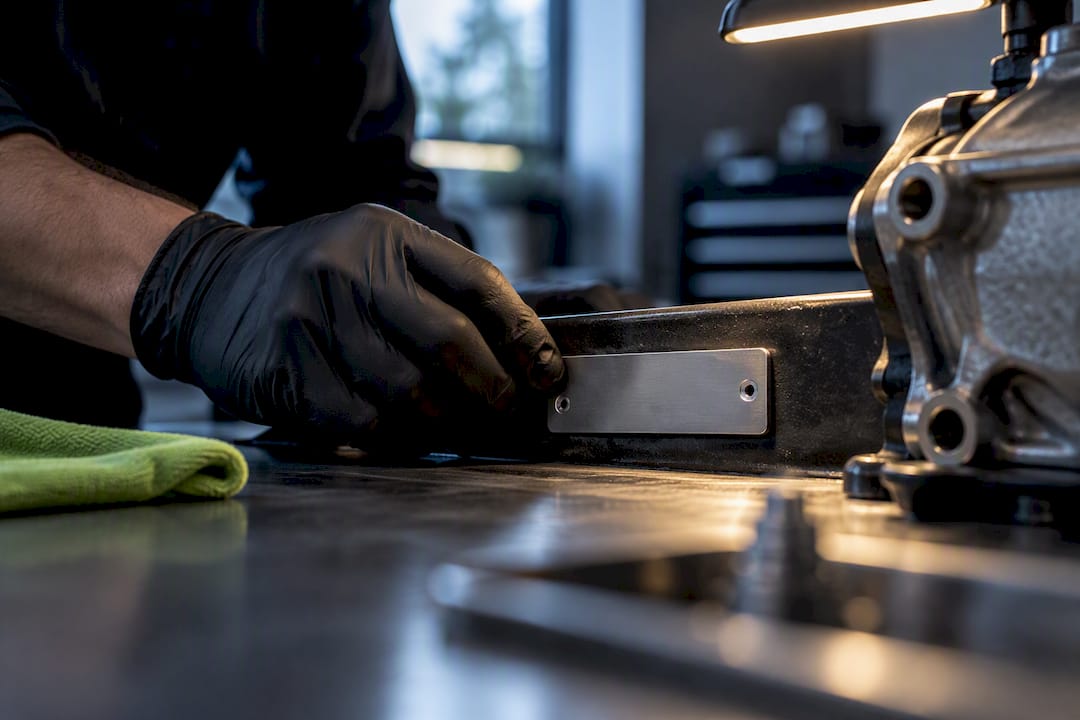
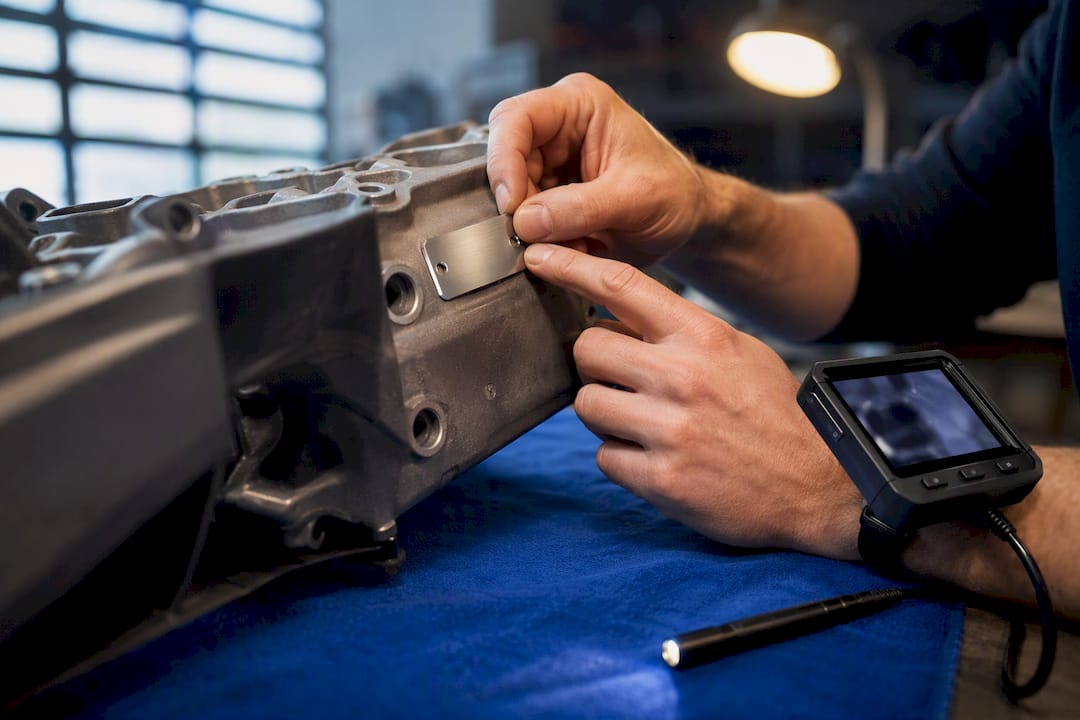
- Request high-resolution photos of the actual part, not stock images. Ask specifically for serial numbers, casting marks, or stamped codes.
- Confirm build-specific details: left-hand versus right-hand drive, model year, and any factory option codes that affect fitment.
- Ask for provenance or service history on used and salvage parts. A seller who can explain where a part came from is a seller worth trusting.
- Run the VIN through a decoder or parts catalog lookup, or use an AI-assisted identification tool where the seller offers one, to cross-reference the number before you commit.
Watch for red flags: part numbers that don’t match across photos, sellers who dodge requests for documentation, blurry or reused stock images, and no stated return policy. Reputable manufacturers publish their own fitment guarantees, and checking a page like Mishimoto’s intercooler specs shows what a trustworthy listing should include: exact installation specs and clear warranty terms.
Pro Tip: Screenshot every listing, message, and photo before you pay. If a dispute comes up later, that record is your leverage with the seller or the payment processor.
Shipping, Customs, and Insurance: What to Expect
Air and sea freight solve different problems. Air shipping gets a part to your door faster and suits small, urgent components. Container shipping costs less per pound but takes considerably longer, which matters when you’re coordinating a restoration timeline.
Customs paperwork trips up more imports than bad parts do. Ask every seller for:
- The correct HS code for the part category
- A detailed commercial invoice with accurate declared value
- Clarity on who is listed as importer of record
Specialist sellers publish real numbers here. JD Customs U.S.A. lists roughly a 5 to 6 week ETA for pre-ordered carbon body components shipped by air, against roughly 3 to 4 months for the same parts by container. That gap alone should shape which method you choose for a time-sensitive restoration.
Always insure high-value shipments and confirm the declared value matches what you’d actually claim in a loss. A freight forwarder or a delivered-duties-paid arrangement can absorb most of the customs complexity, particularly useful when landed cost and paperwork threaten to eat more of your budget than the part itself.
Cost Drivers and Realistic Timelines When Importing Supercar Parts
Four cost components stack on top of every import: the part price itself, freight, duties and brokerage fees, and any fitment or restoration labor once it arrives. Rarity moves the price more than anything else. A discontinued OEM casting for a low-production model commands a premium that aftermarket alternatives simply don’t carry, while a reman or aftermarket equivalent can cost a fraction of the factory price.
Timelines vary just as widely:
- In-stock OEM parts: days to a couple of weeks
- Pre-order or back-ordered OEM: often 4 to 12 weeks, based on lead times manufacturers themselves publish for custom carbon components
- Remanufactured or specialist-sourced parts: highly variable, sometimes months
- Custom fabrication: budget the longest window and add a buffer
Build in a contingency, both in dollars and in time, for returns, rework, or a second shipment if the first part turns out wrong.
How Specialist Marketplaces Cut Through the Noise
A marketplace with real depth of inventory changes how fast you can pin down an exact-fit part. Supercars lists more than 365,000 parts across exotic and luxury brands, and its AI-driven search is built specifically to match a photo or part description against that catalog fast, cutting down the false-positive matches that waste hours on general search engines.
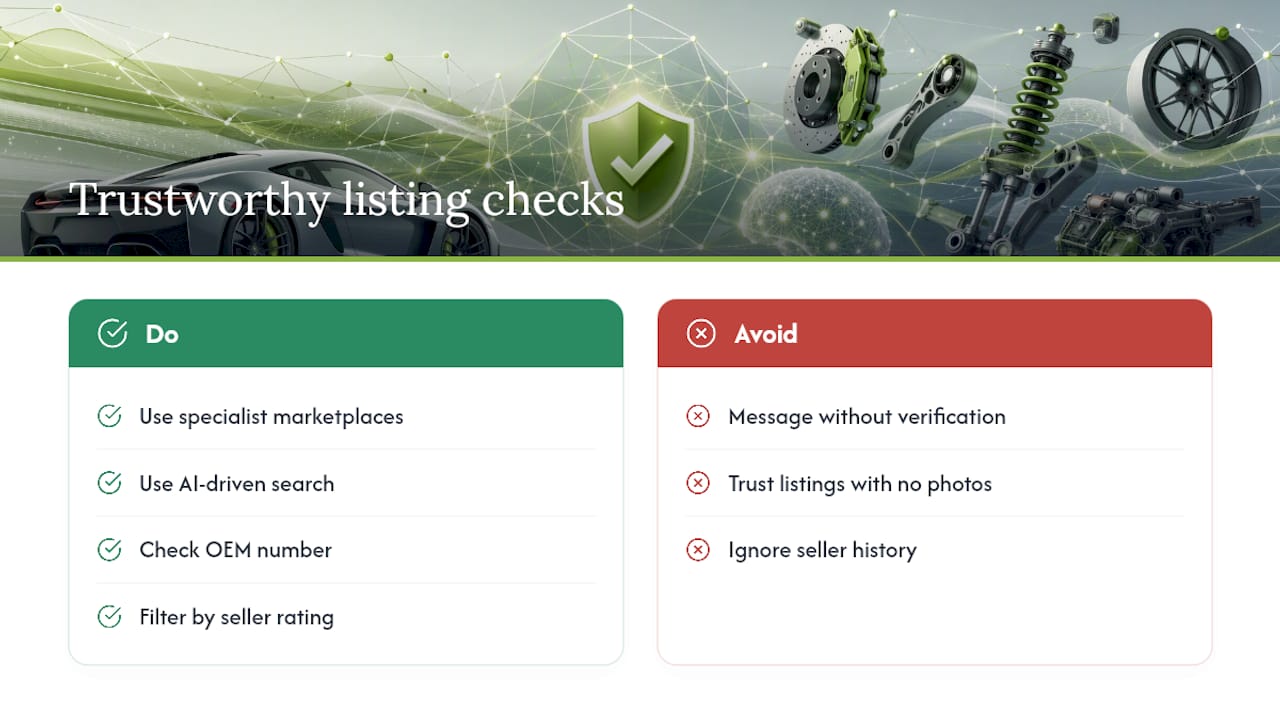
A listing worth trusting shows the OEM number, clear photos from multiple angles, seller history, and stated shipping options up front. Filtering by seller rating and cross-checking part numbers against your own research before messaging anyone keeps you out of the riskiest transactions, regardless of which platform you use.
What I’ve Learned Chasing Down Parts That Don’t Exist Anymore
My own checklist never changes: VIN first, exact part number second, high-res photos third, shipping and insurance terms fourth, and a written return policy fifth. Skip any one of those and you’re gambling.
I once watched a rebuild stall for weeks because a “direct fit” bumper support turned out to be a running-change variant that never lined up with the mounting points on the actual chassis. A five-minute part-number cross-check would have caught it before the crate even shipped. Pay a little more for verified shipping and insurance on anything expensive. It’s cheap compared to redoing the job.
— Artem
Start Your Search on Supercars.parts
One problem competitors haven’t solved is finding an exact-fit part for a rare exotic without wading through mismatched listings. With a large inventory and search tools that match photos and descriptions to catalog entries, users can skip the guesswork that eats up hours on general parts sites.
Getting started is simple. Pull your VIN and OEM part number, then run a search on the exotic car parts category to see what’s already listed. Owners searching for brand-specific components can jump straight to pages like Ferrari parts and cars, Lamborghini parts and cars, or Aston Martin parts and cars. Once you find a candidate, message the seller directly for detailed photos and shipping terms before you commit. Post-purchase, you’ll coordinate shipping choices and any support questions directly through the marketplace. The same verification habits covered above apply whether you’re buying a trim panel or a full carbon body kit.
Where to Check Specs and Shipping Details Before You Buy
- Velocity Performance Parts for carbon body kit lead times and fitment notes
- Mishimoto for installation specs and warranty language
- A pre-wash guide worth reading before you photograph or inspect a used part yourself
Sources
FAQ
Is It Legal to Import Car Parts?
Yes, importing car parts is legal in most jurisdictions, provided you declare them accurately and pay applicable duties. The complications come from customs paperwork and HS code classification, not from any general prohibition, so working with a seller who documents shipments properly matters more than the legality question itself.
Where Can I Buy Imported Supercar Parts Online?
Specialist exotic marketplaces, OEM dealer networks, and vetted importers are the most reliable online channels. Supercars lists over 365,000 parts across exotic and luxury brands with AI-assisted search built to match rare components accurately.
Who Makes Direct-Fit Import Car Parts?
Direct-fit parts come from OEM manufacturers, licensed remanufacturers, and specialist aftermarket producers who engineer components to match factory tolerances. Always confirm the specific manufacturer and part number against your VIN, since even “direct-fit” claims can miss model-year variations.
Is It Hard to Get Parts for Rare Imported Supercars?
It’s harder than sourcing mainstream car parts, mainly because inventory is thinner and verification takes more effort. A large specialist inventory combined with strict part-number and photo verification closes most of that gap, even for discontinued or low-production components.