Save 20–80% on Supercar Parts: Use VIN Matching to Avoid Fitment Mistakes
Buy new or remanufactured for anything safety-critical or labor-intensive, and buy verified used OEM for body panels, trim, and non-wear components where fit matters more than novelty. The math usually comes down to three things: how much labor is buried in the install, how bad it is if the part fails early, and whether a warranty actually protects you. The sections below break down exact cost ranges, sourcing checklists, and the parts you should never buy used, no matter how good the deal looks.
TL;DR:
- Verified used OEM parts can save up to 30 to 60% compared to new, but availability decreases sharply when a supercar model is discontinued.
- For safety-critical components like airbags and brake systems, buying new or certified remanufactured parts is essential because used units pose significant deployment risks.
- Large assemblies such as engines and transmissions offer the greatest savings when purchased as verified used, often costing 20 to 80% less with documented mileage and testing.
- Labor costs and the risk of early failure can erode savings, especially for parts requiring deep engine bay access or complex removal, making warrantied or remanufactured options more economical.
- The most reliable way to verify used parts involves matching VINs, checking donor mileage, inspecting photos of mating surfaces, and understanding warranty or return policies.
Table of Contents
- New vs Used Supercar Parts at a Glance
- What Do New, Refurbished, and Used Parts Actually Mean?
- What Do Used Supercar Parts Actually Save You?
- When Should You Buy New vs Used for Supercar Repairs?
- Which Supercar Parts Should You Never Buy Used?
- How Do You Calculate the Real Cost of a Used Part?
- How Do You Verify a Used or Refurbished Supercar Part?
- How Supercars.parts Reduces Fitment Risk
- The Rule of Thumb That Actually Holds Up
- Search Smarter for Your Next Exotic Part
- Sources
- FAQ
New vs Used Supercar Parts at a Glance
The choice between new, refurbished, and used parts usually breaks down along the same three axes: price, risk, and how badly you need this exact part right now.
- New OEM or aftermarket: full price, full warranty, lowest failure risk. Best for consumables (brake pads, filters, belts) and anything tied to airbags or braking.
- Remanufactured/refurbished: moderate discount, short warranty (often 90 days to a year), tested before resale. Good middle ground for alternators, starters, and some electronic modules.
- Verified used OEM: steepest discount, little to no warranty unless the seller offers one, but the best option when factory fit matters or the part is discontinued.
The Automotive Recyclers Association reports recycled OEM parts typically cost 20 to 80% less than new, with the biggest gaps on major assemblies like engines and transmissions. For a Ferrari 458 or a Lamborghini Huracán, that spread can mean the difference between a typical mid-thousand-dollar repair and one costing much more. The catch is availability. Once a supercar model goes out of production, new OEM stock for certain trim and electronics can dry up fast, pushing even cautious buyers toward the used market out of necessity rather than preference.
What Do New, Refurbished, and Used Parts Actually Mean?
Labels on parts listings are inconsistent across sellers, which is exactly why buyers get burned. Here’s what each term should mean, and what to ask before you trust it.
- New OEM: made by or for the original manufacturer, sealed, full warranty. Ask for the part number and confirm it matches your VIN’s build sheet.
- New aftermarket: made by a third party to fit the same specification, usually cheaper than OEM. Fine for wear items; riskier for anything with tight tolerances, like turbo components.
- Remanufactured: a used core rebuilt to factory spec, tested, and resold with a warranty. Common for alternators, starters, and transmissions.
- Refurbished: cleaned, repaired, and functionally tested, but not rebuilt to the same standard as remanufactured. iFixit notes that condition labels vary wildly by seller, so ask specifically what was tested and repaired.
- Verified used (salvage): pulled from a donor vehicle, inspected, sometimes bench tested. Ask for donor mileage, VIN, and photos of the mating surfaces.
Refurbished items typically run 20 to 50% off new, while verified used can land 30 to 60% below new pricing depending on category and supply.
What Do Used Supercar Parts Actually Save You?
Numbers make this decision concrete. A new OEM engine assembly for a low-volume exotic can run into five figures before labor. A verified used engine with documented mileage and a compression test often lands 20 to 80% lower, per ARA data, with the biggest gaps on exactly these large, non-wear assemblies.
- Transmission: new OEM can exceed $15,000 on some exotics; a verified used unit with matching gear ratios often runs a fraction of that.
- Headlight assembly: rare LED or laser units for supercars can cost thousands new; used OEM assemblies with intact wiring often save well over half.
- Alternator: remanufactured units typically run well below new OEM pricing and still carry a short warranty.
- Body panels: used OEM panels that match factory color sometimes beat a new panel plus paint labor, since you skip the body shop refinishing cost entirely.
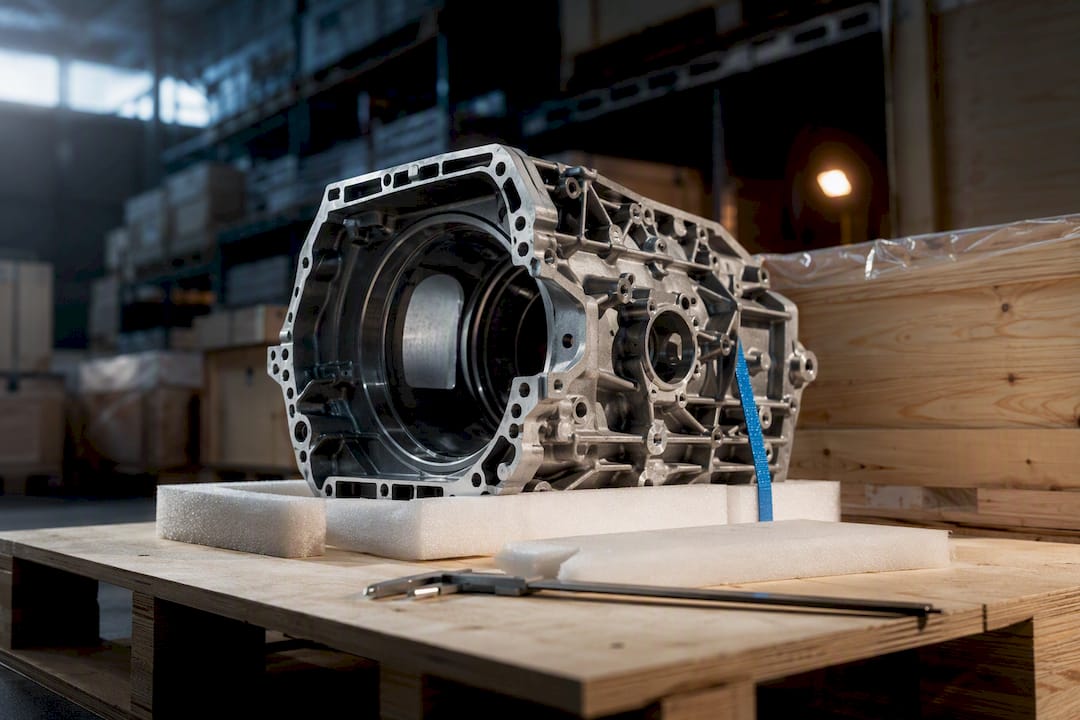
Factor in shipping. Fragile items like headlight assemblies and large body panels need specialized crating, and that cost eats into savings faster on used parts, which sellers rarely package as carefully as OEM distributors do.
When Should You Buy New vs Used for Supercar Repairs?
Run every part through the same five questions before you decide.
- Is it safety-critical? Airbags, brake lines, and steering components go new or certified remanufactured, full stop.
- How much labor is buried in the install? If removing the old part takes ten hours of shop time, a cheap used part that fails in a year costs you two labor bills instead of one.
- Can you verify condition before buying? Bench-tested electronics and inspected engines are safer bets than “as-is” listings with no test data.
- Does the VIN or part number match exactly? Supercars change specs mid-production run more than mainstream cars do, so a part that fits a 2020 model year might not fit a 2021.
- Is the part rare or discontinued? If new stock genuinely does not exist, used or remanufactured becomes the only real option, and the Car-part for weighing failure consequences against availability becomes your main decision tool.
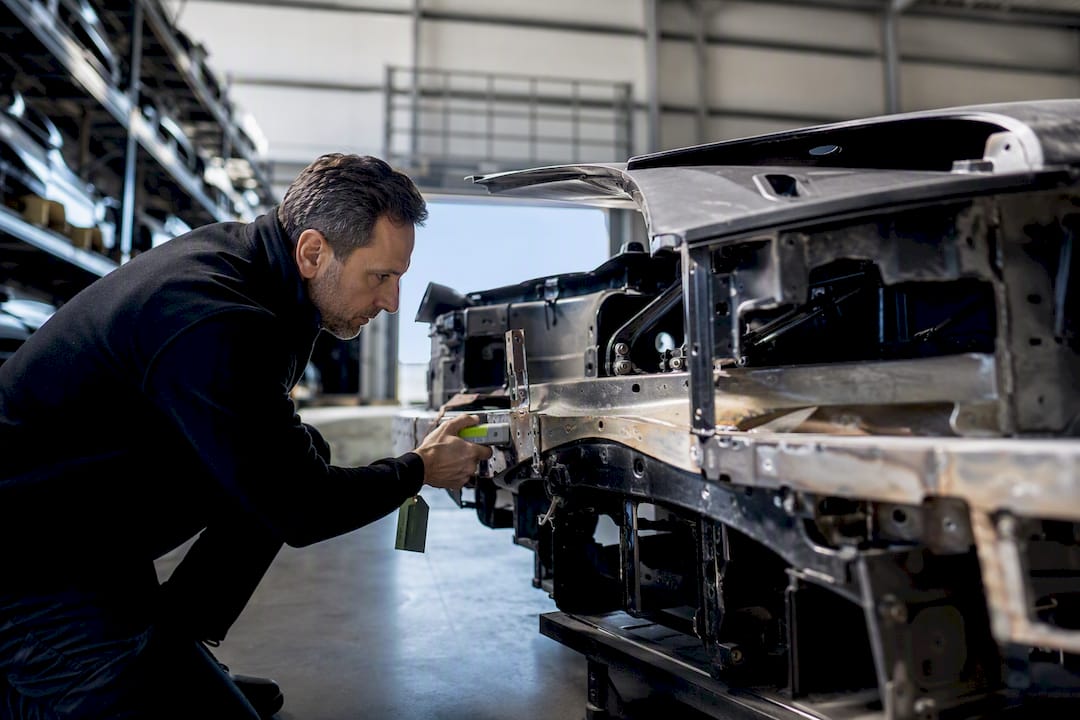
Three quick examples: a cracked bumper on a McLaren with no structural damage is a strong candidate for used OEM, since paint matching from a donor car saves real money. A failing turbocharger is a better fit for remanufactured, since a rebuilt core with a warranty beats a used unit of unknown mileage. A worn clutch is a new-parts job every time, because it’s a wear item where remaining life can’t be verified.
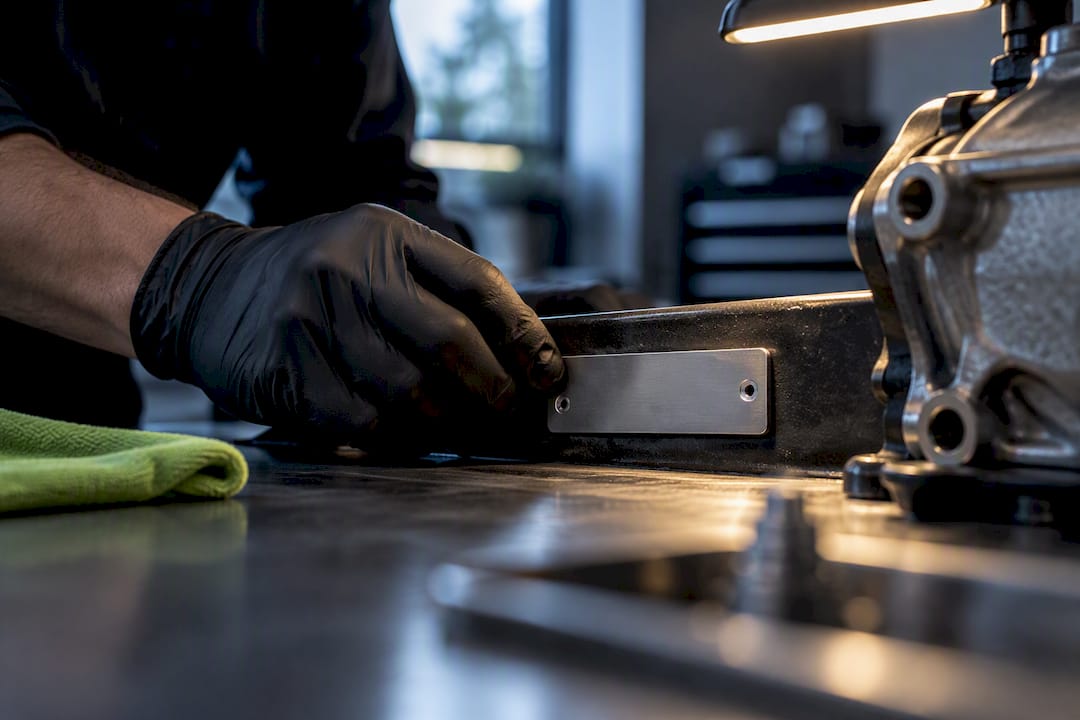
Pro Tip: Photograph the VIN plate and the part’s stamped number before you buy anything used. Sellers who hesitate to provide matching documentation are the ones most likely to be selling you the wrong part.
Which Supercar Parts Should You Never Buy Used?
Some categories carry risk that no discount justifies.
- Airbags and pretensioners: deployment history is nearly impossible to verify from a listing, and a used unit that’s already fired (or was in a flood or fire) can look intact while being dead.
- Emissions hardware: catalytic converters and related sensors are subject to regional rules, and a used unit may not meet your area’s current standard.
- Brake and fuel system sensors: cheap to replace new, expensive to diagnose when a used sensor gives false readings.
- Consumables: pads, filters, belts, and fluids should always be new, since remaining life is impossible to judge from the outside.
The borderline cases are components like ABS modules or ECUs, where a certified exchange unit with a long warranty mitigates most of the risk that a plain used part carries. Emissions and restraint-system rules vary by region, so check local regulations before assuming a used part is legal to install.
How Do You Calculate the Real Cost of a Used Part?
The sticker price on a used part is never the full story. Labor and repeat failure are where “savings” quietly disappear.
- Estimate remaining life. A used alternator with 60,000 miles on it has less runway than a remanufactured one with a fresh warranty, even if it costs less upfront.
- Price the labor twice. If the part is buried behind other components (a common problem with mid-engine supercars), assume you might pay for that labor again if the part fails early.
- Compare total exposure, not sticker price. A $1,200 used part plus 8 hours of labor at a specialty shop can cost more than a $2,000 remanufactured part with a one-year warranty, once you price in the risk of a second removal.
Pro Tip: Before buying a used part for anything buried deep in the engine bay, ask yourself: would I be willing to pay for this labor twice? If the answer is no, spend the extra money on a warrantied part instead.
How Do You Verify a Used or Refurbished Supercar Part?
A good listing tells you almost everything you need before you ever pick up the phone.
- VIN or OEM part number on the listing, matched to your own vehicle’s build sheet.
- Donor mileage and condition history, especially for engines, transmissions, and electronic modules.
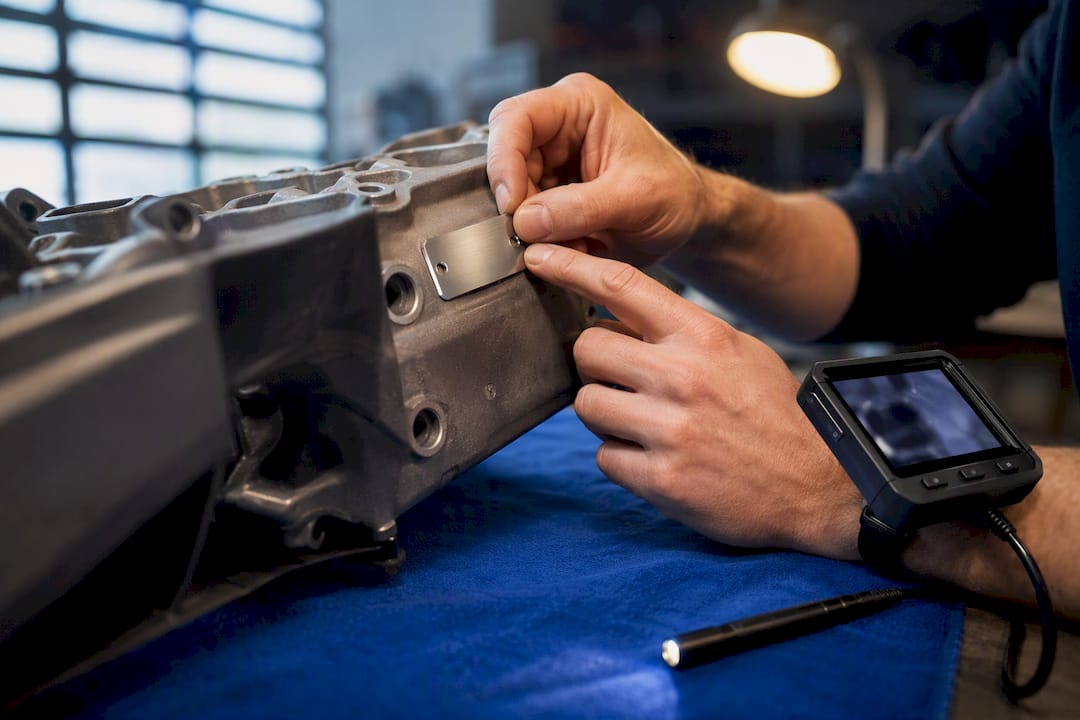
- Photos of mating points and connectors, not just the part sitting on a shelf.
- Test logs or serial numbers for anything electronic or performance-related.
- Clear warranty and return terms stated in writing, not verbally promised.
Reputable salvage yards, remanufacturers, and verified marketplaces tend to document all of this as a matter of course. Yards and remanufacturers that specialize in specific makes, as TNCAP’s buying guidance notes, also tend to track donor mileage and testing records more carefully than general salvage operations, which matters enormously for engines and transmissions.
Pro Tip: Ask sellers to photograph the part next to a printout of your VIN and part number request. It takes them thirty seconds and instantly filters out sellers who are guessing at fitment.
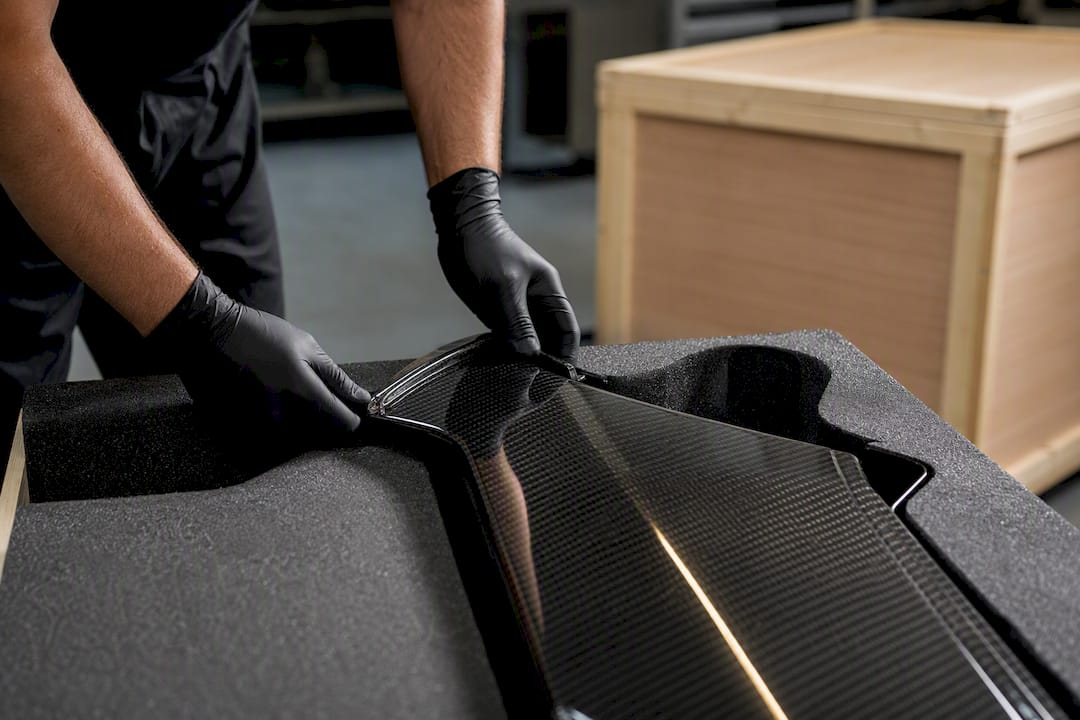
Fragile or oversized parts need packing that matches their value. A used headlight assembly or a carbon fiber panel deserves foam crating, not a cardboard box with newspaper.
How Supercars.parts Reduces Fitment Risk
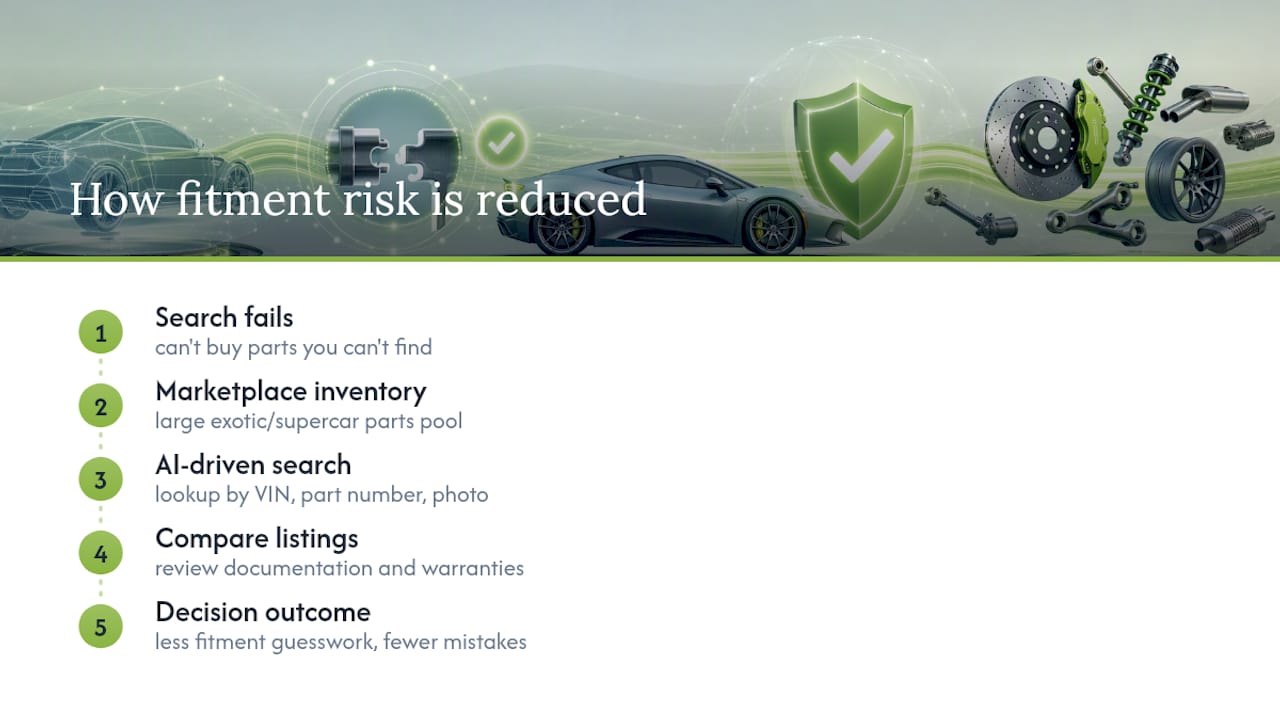
Sourcing for rare vehicles usually fails at the search stage, not the negotiation stage. You can’t buy a part you can’t find, and general parts sites rarely stock anything for a Lamborghini Huracán or an Aston Martin DB11.
A marketplace lists a large inventory of exotic and supercar parts, which meaningfully raises the odds that a hard-to-source OEM component for your specific model is actually available somewhere on the platform. The platform’s AI-driven search lets users look up parts by VIN or part number, or upload a photo of the component needed, cutting down the fitment guesswork that causes most bad used-parts purchases. From there, comparing listing documentation and stated warranties across sellers puts the decision framework from this guide directly into practice.
The Rule of Thumb That Actually Holds Up
Warranty beats price on anything safety-critical, no exceptions. Used OEM wins on visible fit items like body panels and trim, where matching paint and factory tolerances matter more than novelty. Reserve new or remanufactured for high-labor jobs, since paying for labor twice erases any part-price savings you thought you captured.
— Artem
Search Smarter for Your Next Exotic Part
There are other routes to sourcing exotic parts: general salvage yards, forum classifieds, dealer back orders. Each works occasionally, but none of them are built specifically for rare, high-value components. Supercars.parts is built around that exact gap.
Search by VIN or part number, or upload a photo of the component, and the AI-driven search narrows a large catalog down to parts that actually fit your car. Listing pages often show documentation including warranty terms, condition details, and part specifics, so buyers can compare real information instead of guessing. Start by browsing exotic car parts, or jump straight to a brand page like Ferrari parts and cars or Lamborghini parts and cars if you know exactly what you’re hunting for.
Sources
- Automotive Recyclers Association (ARA)
- Refurbished vs used — Swappa
- Used vs. Aftermarket vs. New (OEM) Car Parts: Which to Buy?
- Used vs New Auto Parts: When Salvage Wins
FAQ
Is It Better to Buy OEM or Aftermarket Parts?
OEM wins when exact factory fit matters, which is most of the time on a supercar with tight tolerances. Aftermarket new parts are a reasonable choice for wear items like filters and pads, where factory-exact fit matters less than function.
Why Are Some Used Auto Parts Sites So Cheap?
Recycled and salvage parts skip the manufacturing cost entirely, since they come from donor vehicles rather than a production line. The ARA attributes savings of 20 to 80% off new OEM pricing to this, with the deepest discounts on large assemblies that would otherwise cost the most to manufacture new.
What’s the Most Expensive Part to Replace on a Supercar?
Engines and transmissions top the list, often running into five figures new before labor is added. This is exactly where verified used or remanufactured options, sourced with documented mileage and testing records, tend to deliver the largest real savings.
What Lowers a Supercar’s Resale Value?
Mismatched or undocumented replacement parts hurt resale value more than mileage does in many cases, since buyers and appraisers specifically look for parts provenance during pre-purchase inspections. A car with documented OEM or verified-used parts, matched by VIN and part number, holds value better than one with unverified aftermarket substitutions.
Does Supercars.parts Sell New or Used Parts?
Supercars.parts lists both OEM and aftermarket components across a large inventory, covering new, remanufactured, and used conditions depending on the seller. Search by VIN or part number, or use the AI-driven photo search, to filter listings by condition and compare warranty terms directly on the exotic car parts page.