OEM vs. Aftermarket Parts: How to Choose the Right One
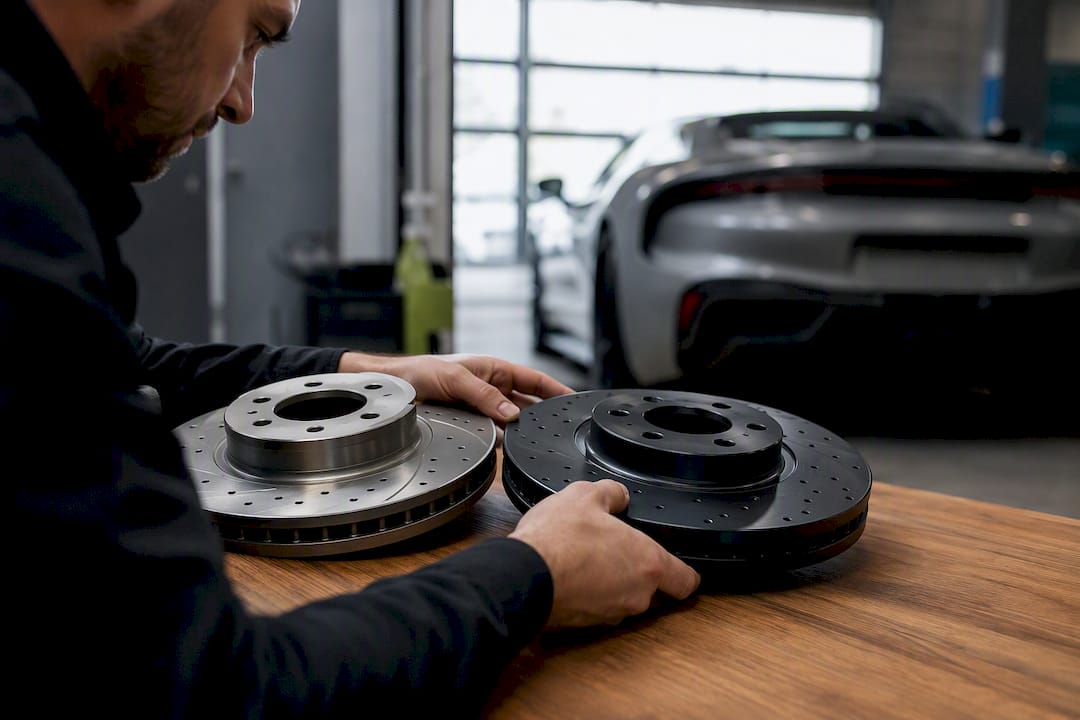
There’s no universal winner between OEM and aftermarket parts. Use OEM for safety systems, warranty-sensitive repairs, and anything tied to a lease or insurance claim you want handled cleanly. Choose good-quality aftermarket for routine maintenance, budget repairs, and performance upgrades where variety works in your favor.
- Cost trade-off: OEM protects fit and paperwork; aftermarket usually saves money, sometimes 20 to 50% depending on the part and brand.
- Legal reassurance: the Magnuson-Moss Warranty Act stops a manufacturer from voiding your entire warranty just because you used an aftermarket part.
Before you order anything, pull the exact OEM part number for your VIN and ask the shop or seller whether an OEM option exists at a comparable price. That single step avoids most of the regret people report after a parts purchase.
Key Takeaways
The smartest parts decision depends on the specific component’s safety role, not a blanket OEM-versus-aftermarket rule applied to the whole car.
| Point | Details |
|---|---|
| No universal winner | Use OEM for safety-critical and warranty-sensitive parts; use quality aftermarket for routine maintenance and upgrades. |
| Warranty isn’t automatically voided | Magnuson-Moss requires the dealer to prove the aftermarket part caused the failure before denying coverage. |
| Documentation protects resale value | Keep every part number, receipt, and install date regardless of whether you buy OEM or aftermarket. |
| Insurance parts choice is negotiable | You can usually pay the price difference to upgrade an insurer’s aftermarket estimate to OEM. |
| Sourcing accuracy matters most | Supercars lets you search over 365,000 OEM and vetted aftermarket listings by VIN or part number for exotic and luxury vehicles. |
Table of Contents
- What OEM vs. Aftermarket Parts Actually Means
- Cost, Quality, Availability, and Warranty Compared
- When to Choose OEM, Aftermarket, or Certified Reman
- Does Aftermarket Void Your Warranty? Legal and Insurance Basics
- How Supercars Helps You Find the Right Part the First Time
- The Resale Value Question Nobody Answers Honestly
- Legal and Insurance Implications You Should Actually Worry About
- The Environmental Case for Aftermarket Nobody Talks About
- The Myths That Keep Costing Owners Money
- What the Data Actually Tells Owners to Do
- Find the Right Part Faster with Supercars
- Frequently Asked Questions
- Sources
What OEM vs. Aftermarket Parts Actually Means
“OEM” stands for Original Equipment Manufacturer. These are parts built by, or under contract for, the company that made your car. You buy them through dealerships, manufacturer-authorized suppliers, or marketplaces that source directly from those channels. They match factory specs exactly because they’re made from the same tooling and materials the vehicle was built with.
“Aftermarket” covers everything else, and it’s a wide range. At the bottom you have generic budget parts made to fit “most” vehicles. In the middle sit branded performance aftermarket makers with their own engineering and testing. At the top are specialty remanufacturers who rebuild used OEM cores to original tolerances and back them with real warranties.
- Confirm the part number. Match it against your VIN, not just the model year, since trim and production date change specs.
- Check the seller’s sourcing. Ask if the aftermarket brand publishes fitment data or third-party testing.
- Verify remanufacture provenance. A “reman” label means nothing without documentation on the rebuild process and core source.
J.D. Power’s breakdown of aftermarket vs. manufacturer parts is a useful reality check here: cost and warranty coverage are the two variables that separate OEM from aftermarket most consistently, not just raw quality.
Cost, Quality, Availability, and Warranty Compared
Price is where the split usually starts. OEM parts generally run higher because you’re paying for the manufacturer’s brand, its distribution network, and tighter quality control. AutoZone notes that for routine components like filters, belts, and many brake pads, aftermarket options deliver solid value without the OEM markup.
Quality is where things get more interesting, and less binary than most guides suggest. Aftermarket brake pads and filters frequently match or beat OEM performance, since several aftermarket manufacturers specialize in exactly those categories and compete hard on friction ratings and filtration efficiency. Exhaust components follow a similar pattern. Sensors, airbags, and ADAS modules are a different story entirely. These parts depend on precise calibration with your vehicle’s software, and a mismatched sensor can throw false codes, disable safety features, or fail silently.
- Filters, brake pads, belts, exhaust: aftermarket quality is often equal to or better than OEM, with far more brand choice.
- Sensors, airbags, steering components, ADAS modules: OEM or certified reman reduces the risk of compatibility failures.
- Body panels and glass: fit tolerances vary; OEM windshields, for example, are increasingly trusted for their fit and sensor compatibility on vehicles with camera-based driver assistance.
Availability tilts toward aftermarket for common wear items. Big-box auto parts stores stock aftermarket brake pads and filters in volume, while an OEM part for a niche trim might sit on backorder for weeks. For exotic and specialty vehicles, that gap widens considerably. A Ferrari or Aston Martin owner might wait a month for a factory part shipped from overseas, which is exactly the kind of delay a wide-inventory marketplace search is built to shorten.
Warranty coverage is where the comparison gets concrete. OEM parts typically carry manufacturer-backed warranties, often 12 months or tied to your vehicle’s existing coverage. Aftermarket warranties vary by brand, from no coverage at all on the cheapest parts to lifetime warranties from established manufacturers. A documented case from Jalopnik describes an aftermarket suspension module that caused repeated failures, ending up costlier overall than simply installing the OEM replacement the first time.
Pro Tip: Ask for the warranty terms in writing before you buy, not after something fails. A verbal “lifetime warranty” from a counter clerk means nothing if the receipt doesn’t say so.
When to Choose OEM, Aftermarket, or Certified Reman
Match the part to the stakes, not just the price tag.
- Leased vehicle or pending warranty claim: go OEM. Lease return inspections and warranty disputes go smoother with factory parts and paperwork.
- Safety-critical system (brakes, steering, airbags, ADAS): go OEM unless you’re using a certified remanufactured unit with documented traceability.
- Routine maintenance (filters, belts, wiper blades, standard brake pads): aftermarket is fine, and often the smarter buy.
- Performance upgrade (exhaust, intake, suspension tuning): aftermarket is usually the entire point, since OEM rarely offers upgrade tiers.
- High-value or rare vehicle with an expensive OEM part: consider authorized remanufactured components, which can offer near-OEM assurance at a lower cost than new factory parts, provided the rebuilder is genuinely authorized.
Body panels after an accident deserve their own rule. If the car is leased or the insurer is footing the bill, push for OEM sheet metal, especially on anything near a sensor housing or crumple zone. If you own the car outright and you’re paying out of pocket, a reputable aftermarket panel can save real money without compromising safety.
Pro Tip: At the estimate stage, ask the shop to list OEM and aftermarket line items separately. That one request turns a vague quote into an actual decision you get to make.
Does Aftermarket Void Your Warranty? Legal and Insurance Basics
Here’s the short version: no single aftermarket part automatically kills your entire vehicle warranty. The Magnuson-Moss Warranty Act requires a dealer to prove that the aftermarket part actually caused the failure before denying a claim. A dealer can’t point at an aftermarket air filter and refuse to cover an unrelated transmission issue.
Insurers often lean toward aftermarket parts to keep claim costs down, while dealerships lean toward OEM to preserve factory consistency. That gap is exactly where you, as the vehicle owner, have leverage.
If your insurer proposes aftermarket parts for a claim, you can typically pay the difference to upgrade to OEM. Ask for both estimates side by side before you sign anything.
- Brakes, steering, and suspension: OEM or certified reman strongly preferred.
- Airbags and restraint systems: OEM only, no exceptions worth taking.
- Engine sensors and ADAS modules: OEM or manufacturer-approved aftermarket with documented compatibility.
How Supercars Helps You Find the Right Part the First Time
Sourcing a correct-fit part for an exotic or luxury vehicle isn’t like ordering a filter for a commuter sedan. Supercars runs an AI-driven search across more than 365,000 listings covering both OEM and vetted aftermarket components for Ferrari, Lamborghini, McLaren, Aston Martin, Rolls-Royce, and other high-performance marques.
- Search by VIN or OEM part number to eliminate fitment guesswork before you buy.
- Request photos of the actual part number or label stamped on the component, not just a stock image.
- Ask sellers directly about remanufacture provenance if you’re buying a reman unit.
- Compare listings from multiple sellers to gauge realistic pricing for rare parts.
For Rolls-Royce, Ferrari, McLaren, Lamborghini, and Aston Martin owners specifically, the “just order it from the dealer” advice that works for a Honda often breaks down. Parts backorders on these marques can stretch for months, which makes a searchable specialty marketplace less of a convenience and more of a necessity.
The Resale Value Question Nobody Answers Honestly
OEM parts generally protect resale value better, but the effect is uneven across vehicle categories, and most articles overstate it as a blanket rule. On a mainstream commuter car, a buyer rarely asks whether the brake pads are OEM. On a collector car, a supercar, or anything with documented service history, it matters enormously.
Appraisers and serious buyers for exotic and vintage vehicles often ask specifically whether replacement parts are OEM, and a service history full of unbranded aftermarket components can knock down an offer, sometimes significantly, even when the parts function perfectly. The concern isn’t performance. It’s provenance. A buyer paying six figures for a Ferrari wants confidence that what’s under the hood matches what left the factory, or at minimum, that any deviation is documented and reversible.
For mainstream vehicles, the picture flattens out considerably. A well-documented aftermarket brake job with receipts rarely moves the needle on a trade-in value, since dealers appraising a Camry aren’t scrutinizing brake pad brands. What actually hurts resale value across every vehicle category is poor documentation, not the OEM-versus-aftermarket choice itself. Keep every receipt, every part number, and every install date, regardless of which category you bought from. That paper trail matters more to a future buyer than the badge on the box.
If you’re restoring or maintaining a specialty vehicle with resale in mind, default to OEM or clearly documented certified reman for anything visible in the engine bay or listed on a pre-purchase inspection.
Legal and Insurance Implications You Should Actually Worry About
The legal risk around aftermarket parts is smaller than most owners assume, but it’s not zero. Beyond the Magnuson-Moss protections against blanket warranty denial, liability questions come up mainly in two situations: accidents involving structural or safety components, and disputes over who pays when a part fails.
If an aftermarket part is implicated in a crash, particularly steering, suspension, or braking components, expect scrutiny from both insurers and any opposing counsel in a liability claim. That doesn’t mean aftermarket parts are inherently dangerous. It means the burden of proving quality and correct installation shifts onto you and your shop if something goes wrong. Keep installation records and, where possible, documentation on the part manufacturer’s testing standards.
Insurance claims are the more common friction point. As ValuePenguin explains, insurers frequently specify aftermarket parts in repair estimates to control costs, while some states require insurers to disclose when non-OEM parts are used and to guarantee their quality for a set period. Check your policy and your state’s regulations before you assume you’re stuck with whatever the estimate says. In most cases, as covered above, you can pay the price difference to upgrade to OEM if you’d rather not gamble on an unfamiliar aftermarket brand for a major repair.
Read your policy’s parts language before a claim happens, not during one. Some policies already specify “like kind and quality” parts, which gives you more room to negotiate than most people realize.
The Environmental Case for Aftermarket Nobody Talks About
Aftermarket parts, particularly remanufactured ones, generally carry a smaller environmental footprint than new OEM components, and this angle gets almost no attention in typical buying guides.
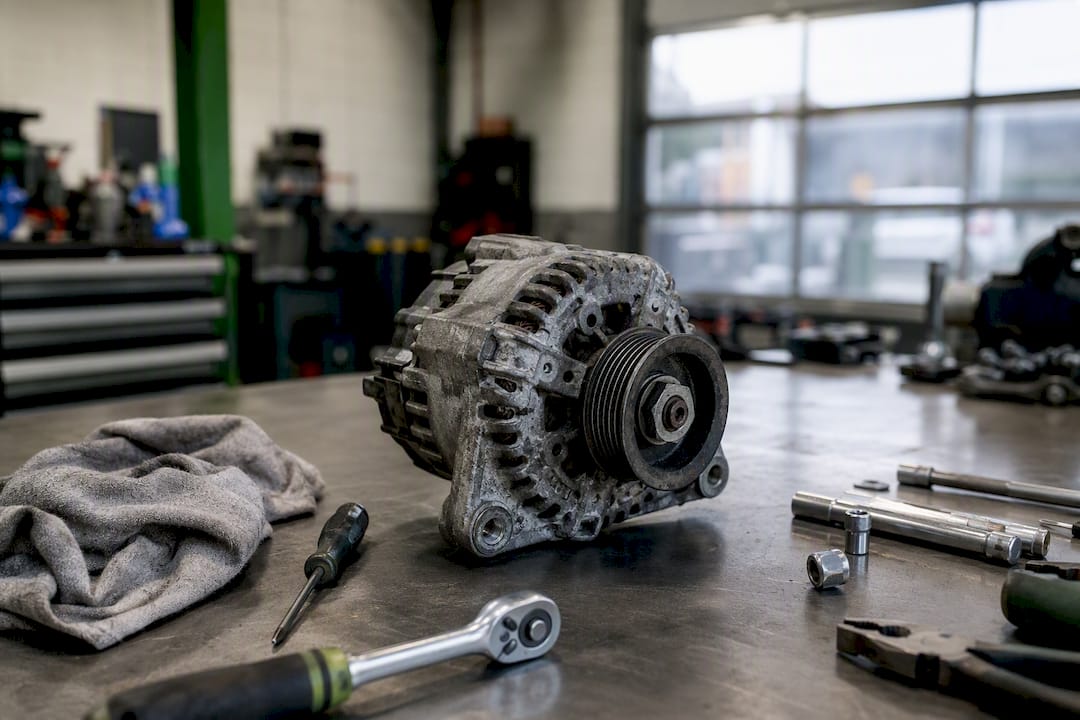
Remanufacturing takes a worn core, usually an alternator, starter, transmission, or brake caliper, and rebuilds it to functional specifications instead of melting it down and starting from raw material. That process uses less energy and generates less waste than manufacturing a new part from scratch. For high-turnover components like alternators and starters, certified reman units can be functionally identical to new OEM while diverting a usable core from a landfill or scrapyard.
New OEM parts carry the full manufacturing footprint every time, since dealership parts departments don’t typically stock remanufactured inventory for most components. Aftermarket suppliers, by contrast, often build entire product lines around reman cores, which is part of why aftermarket pricing tends to run lower.
None of this means you should choose aftermarket purely on environmental grounds for safety-critical parts. A slightly greener brake sensor isn’t worth the risk if it’s poorly calibrated. But for high-turnover mechanical components where quality is well-established, like starters, alternators, and water pumps, choosing a certified remanufactured part is a rare case where the cheaper option and the more sustainable option are the same choice.
The Myths That Keep Costing Owners Money
Myth: “Aftermarket always means cheap and low quality.” This is the single most persistent misconception, and it’s simply outdated. The aftermarket category spans everything from bargain-bin parts to specialized performance brands that outperform OEM in specific categories like exhaust systems and suspension tuning. Painting the entire category with one brush ignores decades of aftermarket engineering investment.
Myth: “Using aftermarket parts automatically voids your warranty.” Covered above in detail, but it’s worth repeating because it drives so many unnecessary OEM purchases: Magnuson-Moss requires proof of causation, not just usage.
Myth: “OEM parts are always made by the car manufacturer.” Often they’re made by a third-party supplier under contract, then badged with the automaker’s logo. That same supplier frequently sells a nearly identical part on the aftermarket, sometimes without the badge and at a lower price.
Myth: “Dealer markups on OEM parts always reflect better quality.” Sometimes they reflect distribution costs and brand premium more than material or engineering differences. Understanding how parts pricing actually works at the dealer level helps explain why identical components can carry wildly different price tags depending on the label.
Myth: “You can’t negotiate parts choice on an insurance claim.” You usually can, and paying the difference for OEM is a normal, common request adjusters handle regularly.
What the Data Actually Tells Owners to Do
The conventional advice on this topic tends to flatten into “OEM is safer, aftermarket is cheaper,” and stops there. That framing undersells how much the right answer depends on the specific part, not a blanket philosophy about your car. A brake rotor and an airbag module carry wildly different risk profiles, and treating them the same way is where owners get burned, either by overpaying for OEM filters they didn’t need or by cutting corners on a sensor that needed factory calibration.
What gets underweighted in most guides is the paperwork problem. Whether you go OEM or aftermarket, the part you can’t document is the part that costs you later, at resale, in a warranty dispute, or in an insurance claim. Save every part number, every receipt, every install date.
If you own anything from the exotic or specialty tier, prioritize sourcing accuracy over brand loyalty. A correctly identified aftermarket part beats a mismatched OEM part ordered against the wrong VIN variant every time. That’s a sourcing problem, not a philosophy problem, and it’s exactly where a VIN-aware search tool earns its place in your process.
Find the Right Part Faster with Supercars
Sourcing a correct-fit part for a Ferrari, Lamborghini, McLaren, Aston Martin, or Rolls-Royce shouldn’t mean weeks of cold-calling dealerships and hoping a backordered part shows up. Supercars gives you AI-powered search across more than 365,000 listings covering both OEM and carefully vetted aftermarket components, built specifically for exotic and high-performance vehicles that generic parts stores don’t stock.
Whether you’re restoring a classic, keeping a daily-driven exotic street-legal, or hunting down a discontinued OEM part number, you search by VIN or part number and compare real listings instead of guessing. If you’re weighing OEM against aftermarket for your next repair, start your search on Supercars and see what’s actually available before you commit to a dealer quote.
Frequently Asked Questions
Are aftermarket parts good, or should I always avoid them? Aftermarket parts are good for a wide range of components, especially filters, brake pads, belts, and performance upgrades. Quality varies by brand, so stick to established manufacturers with documented testing and clear warranty terms.
Does using aftermarket parts void my car’s warranty? No single aftermarket part automatically voids your entire warranty. Under Magnuson-Moss, a dealer must prove the specific aftermarket part caused the failure before denying a related claim.
What’s the difference between OEM and aftermarket parts for exotic cars like Ferrari or Lamborghini? OEM parts for these marques come from the manufacturer or authorized suppliers and match factory specs exactly, but often carry long lead times. Aftermarket options exist but require careful vetting since fitment tolerances on exotics are tighter than on mass-market vehicles.
Should I choose OEM or aftermarket for a Rolls-Royce or Aston Martin repair? For safety systems and body panels, lean OEM or certified authorized remanufactured parts given how expensive mistakes get on these platforms. For routine maintenance items, a reputable aftermarket brand can save meaningful money without added risk.
Will my insurance company make me use aftermarket parts after an accident? Insurers often propose aftermarket parts to control claim costs, but you can typically pay the price difference to upgrade to OEM. Ask for both estimates before agreeing to the repair.
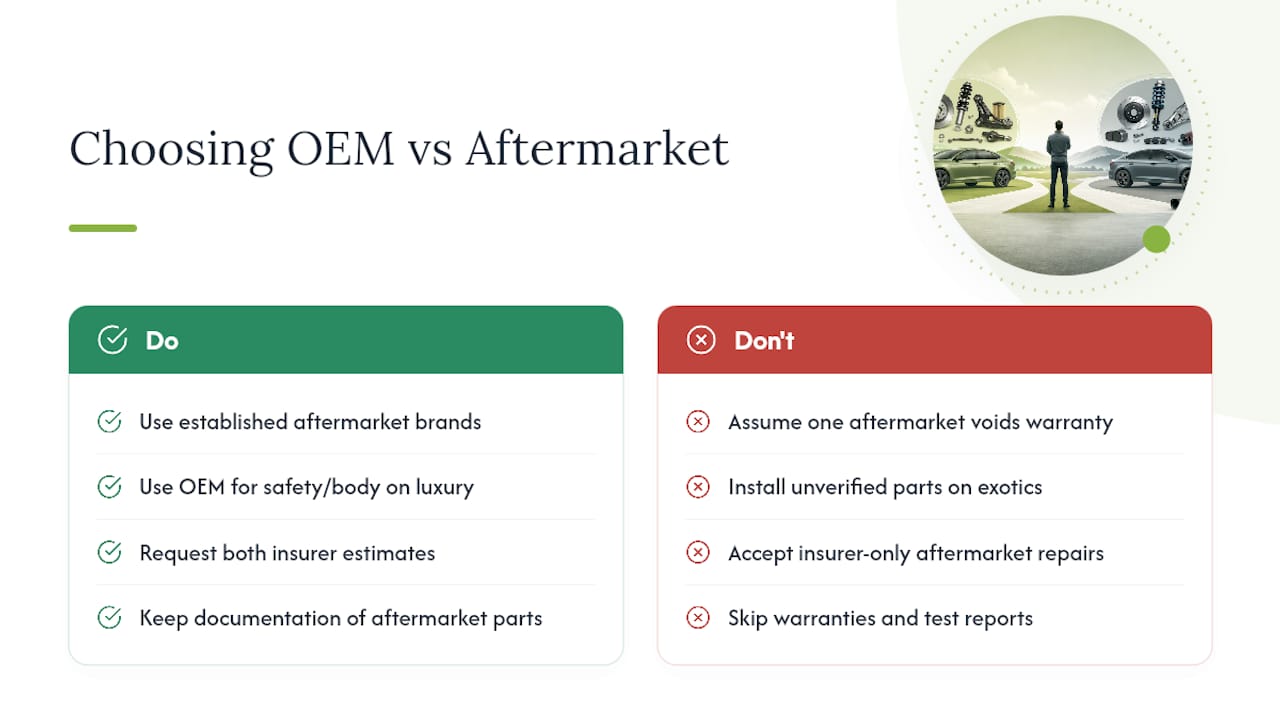
Do aftermarket parts hurt a car’s resale value? For mainstream vehicles, well-documented aftermarket work rarely affects resale value much. For collector cars and exotics, buyers and appraisers often specifically ask about OEM provenance, and undocumented aftermarket parts can lower offers.