How to Sell Supercar Parts for Top Dollar
Verify the OEM part number and exact fitment before you do anything else. From there, the fastest path to a sale runs through four steps: document condition and specs precisely, price against recent comps within a grading band, list on channels built for specialist buyers, and ship with insurance matched to actual value. Skip a step and you’ll deal with returns, lowball offers, or a part that sits unsold for months.
TL;DR:
- Verifying OEM numbers and exact fitment is crucial to avoid returns and low offers, especially for complex supercar parts with specific VIN and production variations.
- Accurate grading with standardized terminology reduces return rates by 25 to 40 percent and helps price parts consistently against recent sale comps.
- Listing detailed specifications, fitment filters, and multiple high-quality photos including mounting points and damage maximizes buyer confidence and reduces questions.
- Selling on specialized platforms like Supercars.parts offers faster sales, as their AI-driven search connects parts with serious buyers searching explicitly by OEM number and fitment.
- Proper documentation and clear return policies tailored for high-value parts are essential to mitigate legal risks and ensure smooth post-sale resolution.
Table of Contents
- The Step-by-Step Checklist for Selling Supercar Parts
- What Makes a Supercar Parts Listing Actually Sell?
- How Do You Price a Rare or Exotic Part Correctly?
- Where Should You List Supercar Parts to Maximize Reach?
- Recommended Solution: Selling on Supercars.parts
- Are There Legal Risks When Selling Supercar Parts?
- How Do You Negotiate With Serious Buyers?
- What Payment Methods Protect You From Fraud?
- Does the Time of Year Affect How Fast Parts Sell?
- What Return and Warranty Policy Should You Offer?
- Author Perspective: Practical Pitfalls and Shortcuts
- List Your Supercar Parts on Supercars.parts
- Sources
The Step-by-Step Checklist for Selling Supercar Parts
Rare parts move fast when the listing answers every question a buyer would otherwise have to ask. Slow ones sit because the seller left gaps a mechanic or restorer can’t risk guessing on. Work through this order every time.
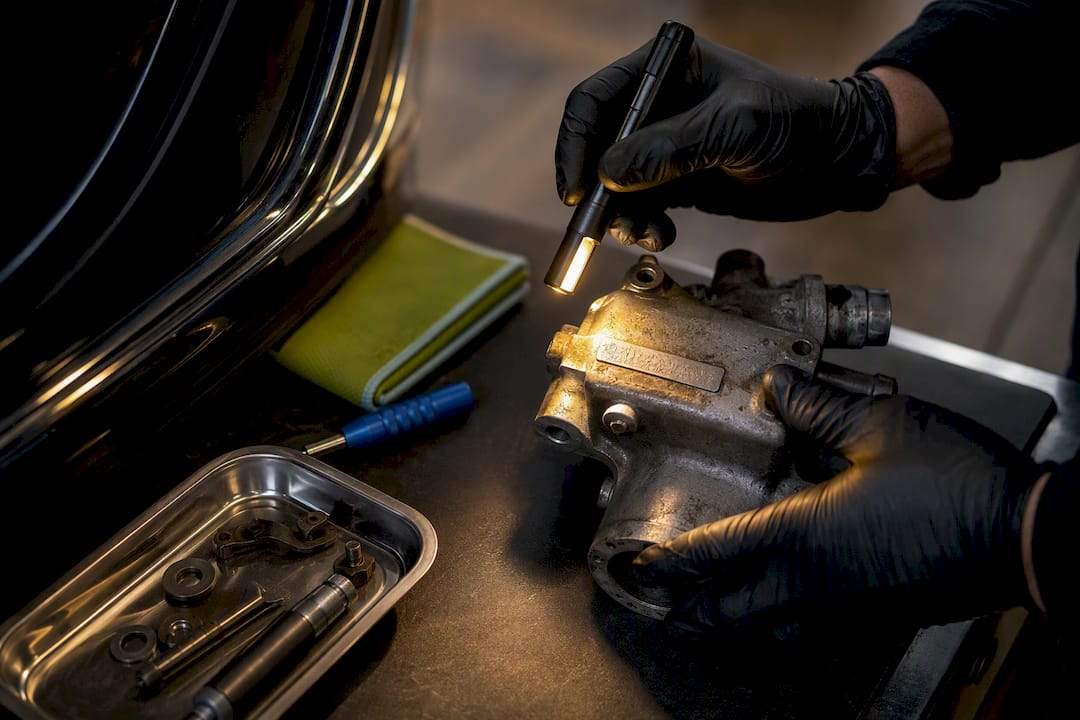
- Pin down the exact identity. Pull the OEM part number off the component itself, not from memory or a catalog guess. Record casting numbers, serial numbers, engine codes, and the VIN break if the part changed mid-production run. A Ferrari 458 intake manifold from an early build is not interchangeable with a late one, and buyers who work on these cars know it.
- Grade the condition honestly. Hollander/Pinnacle-style grading gives buyers a shared vocabulary for “used, functional” versus “new old stock.” Log mileage where relevant, note wear patterns, and flag any repair history.
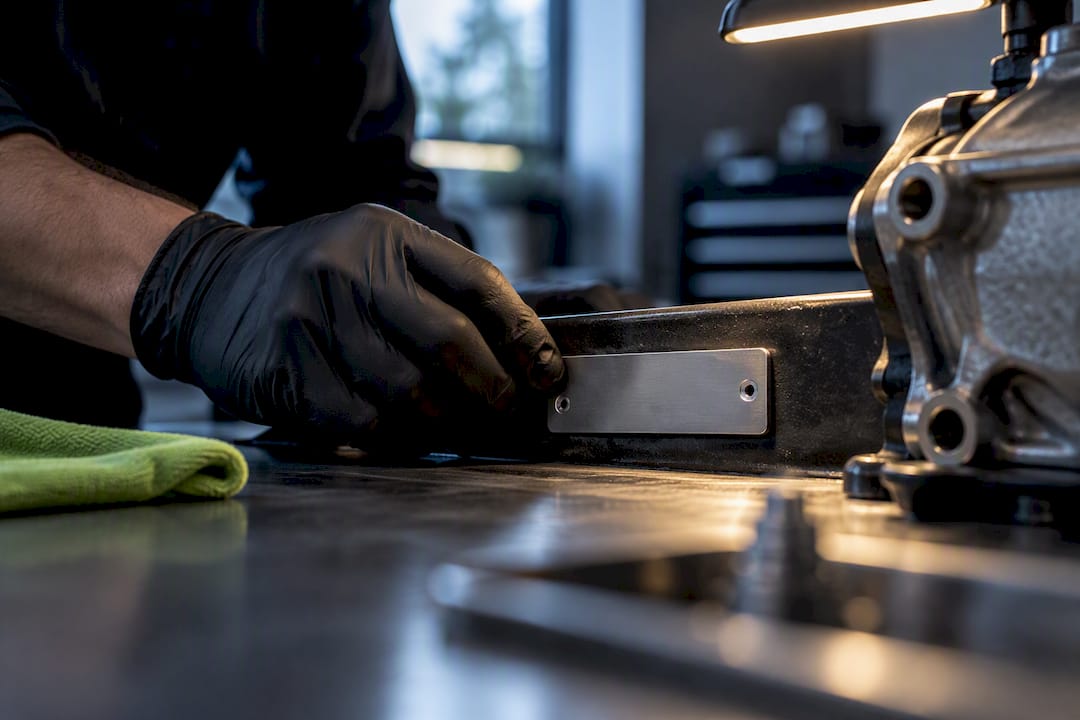
- Shoot 6 to 12 photos minimum, following the best guidance for parts catalog digital optimization. Cover mounting points, OEM stamps, and any casting marks. If you have access to a technical drawing or the factory diagram, include it. Mechanics and restorers primarily search by exact OEM numbers and technical specifications, and a clear stamp photo settles fitment questions before they’re even asked.
- Attach fitment data, not just a description. List every Year/Make/Model combination the part fits, plus cross-references to both OEM and aftermarket numbers for the same component.
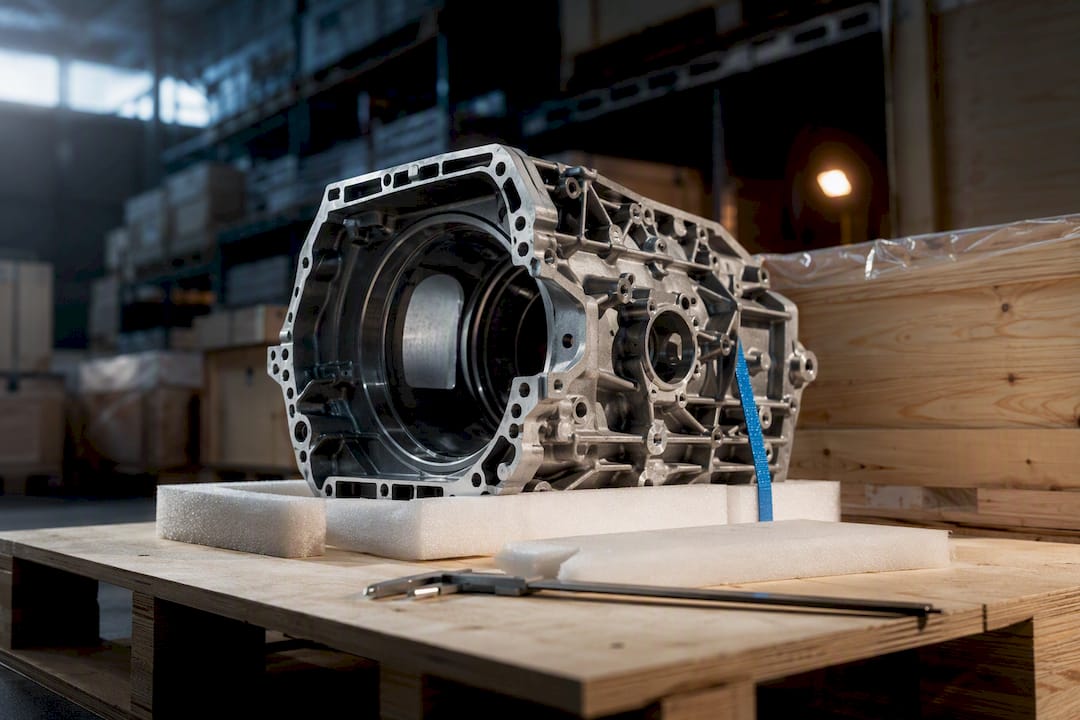
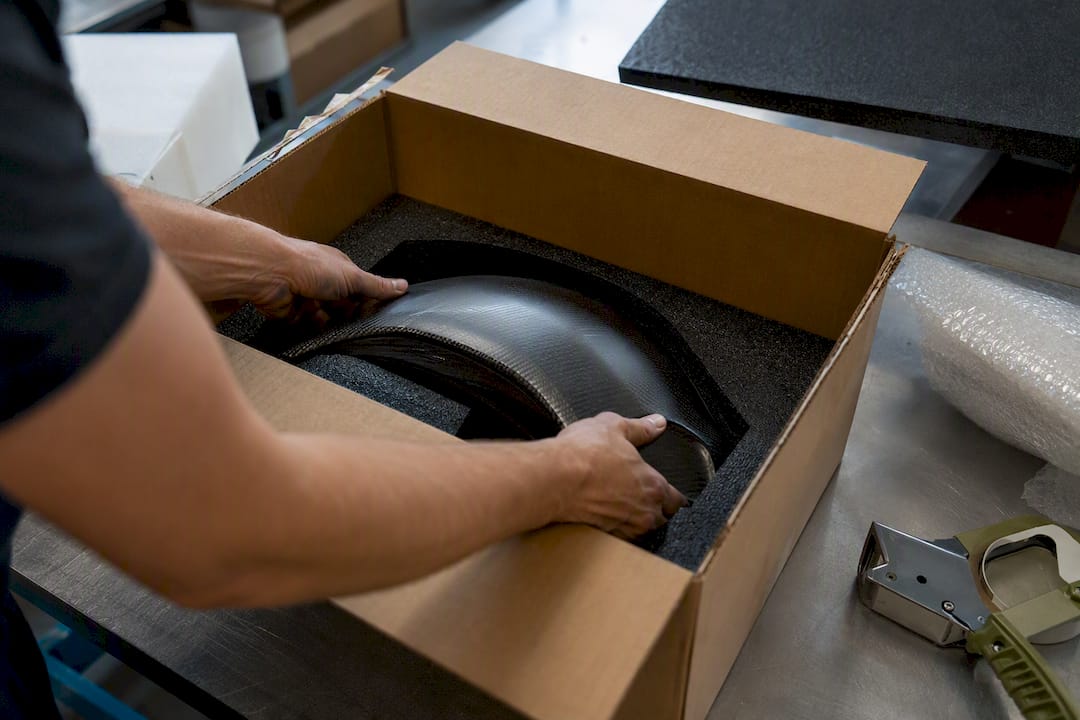
- Plan packaging before you list, not after a sale. Measure and weigh the part, calculate a realistic insurance value, and price shipping materials into your margin rather than discovering the cost when a buyer’s already paid.
Pro Tip: Keep a spreadsheet of every part’s OEM number, cross-references, and condition grade before you list a single item. Building this “garage” of data once saves hours on every future listing, especially if you’re clearing out a project car with dozens of parts.
What Makes a Supercar Parts Listing Actually Sell?
A listing title should do the identifying work a caption can’t. The winning formula is OEM number, then part name, then a fitment hint, something like “F142 87182200 Rear Diffuser, Lamborghini Aventador 2012 to 2016.” That single line lets a buyer scanning search results confirm compatibility before they even click.
Specs matter as much as the headline. Include bolt sizes, weight, dimensions, torque specs, and manufacturer reference numbers wherever you have them. Professional restorers often need technical drawings and precise tolerances rather than photos alone, because a photo can’t show a bolt pattern or a torque value. Skipping these fields doesn’t just cost you a sale. It generates a string of pre-sale questions that slow everything down.
Fitment filtering is where most listings lose buyers. Platforms built around YMM selectors and ACES/PIES-compliant product data let shoppers filter out anything that won’t fit their specific car before they ever open a listing, which cuts down on wasted messages and mismatched sales. If your listing doesn’t support that kind of filtering, spell out compatible model years and engine codes in the body text instead.
Your photo checklist should cover:
- A full-part shot from at least two angles
- Close-ups of any casting numbers, stamps, or serial plates
- The mounting or interface points a buyer needs to match
- An installed shot if you have one from before removal
- Any damage, repair work, or wear, photographed honestly rather than cropped out
One number worth remembering: consistent Hollander/Pinnacle-style grading has been shown to cut return rates by 25 to 40 percent when sellers apply it consistently across their catalog. That’s not a small margin gain. It’s the difference between a part that sells once and stays sold, and one that bounces back with a shipping bill attached.
Write your condition narrative short and specific. “Grade B, minor surface corrosion on mounting flange, no cracks, removed from a 41,000 mile car” tells a buyer everything they need in one sentence. Vague language like “good used condition” invites a negotiation you didn’t need to have.
How Do You Price a Rare or Exotic Part Correctly?
Start with comps, not gut feel. Pull recent sold listings, not just active ones, across both specialist forums and broad marketplaces, then set your target price above the average if your condition grade beats the norm, or below it if there’s wear the comps don’t account for.
Grading bands give you a repeatable pricing structure once you’ve established a baseline:
- Grade A (new old stock or like new): 60 to 80 percent of current OEM new price
- Grade B (used, fully functional, minor wear): 35 to 55 percent of OEM new price
- Grade C (functional with visible wear or prior repair): 15 to 30 percent of OEM new price
- Rare or discontinued parts: priced by scarcity and demand, sometimes above original OEM price when no aftermarket equivalent exists
Run the margin math before you commit to a number. On a $1,000 part, a 10 percent marketplace fee and $60 in insured shipping means your real take is closer to $840. Price too close to your floor and a single return wipes out the profit.
Auction format suits genuinely rare pieces where competitive bidding can push price above your estimate. Fixed price with a “best offer” toggle moves faster for common wear items where buyers expect some negotiation room. Bundling makes sense for assemblies. Selling a full exhaust system together, rather than piecing it out, often nets more than the sum of individual listings once you account for the buyer’s convenience.
Where Should You List Supercar Parts to Maximize Reach?
Selling through one channel alone leaves money on the table. A layered approach built on specialist B2B networks, high-reach marketplaces, and your own storefront reaches more buyer types without forcing you to pick a single audience.
- Specialist and pro B2B networks reach mechanics and shops who buy on spec sheets, not photos, and who often order in volume for a restoration project.
- High-reach marketplaces put rare parts in front of collectors doing broad searches who wouldn’t otherwise find a niche forum.
- Your own storefront captures repeat buyers at full margin once they’ve bought from you once and trust your grading.
- Local pickup only makes sense for engines, transmissions, and large body assemblies where shipping risk and cost outweigh the wider reach.
- List the long tail, not just the highlights. Yards and sellers who list thousands of parts, down to brackets and clips, consistently outsell smaller inventories, because marketplace algorithms reward volume and search coverage.
Route repeat buyers toward your own site over time. A mechanic who has consistently bought parts from you and had zero issues is a candidate for a direct relationship, not another marketplace fee.
Recommended Solution: Selling on Supercars.parts
Everything above works better with a platform actually built for fitment-sensitive, high-value parts. Supercars runs a marketplace of over 365,000 listings focused entirely on exotic and supercar components, so your Ferrari, Lamborghini, McLaren, Aston Martin, or Rolls-Royce part lands in front of buyers already searching for that exact brand, not general auto shoppers.
The platform’s AI-driven parts search lets buyers filter by OEM number and fitment in seconds, which matters given how fast buyers abandon a listing they can’t confirm fits their car. That search speed works in your favor as a seller because fewer tire kickers means fewer wasted messages.
To get a listing live:
- Set up a seller account and complete your profile
- Enter OEM number, fitment years, and part specs into the required fields
- Upload your photo set, including stamp and mounting shots
- Choose fixed price, best offer, or auction format
- Add shipping and insurance details before publishing
Are There Legal Risks When Selling Supercar Parts?
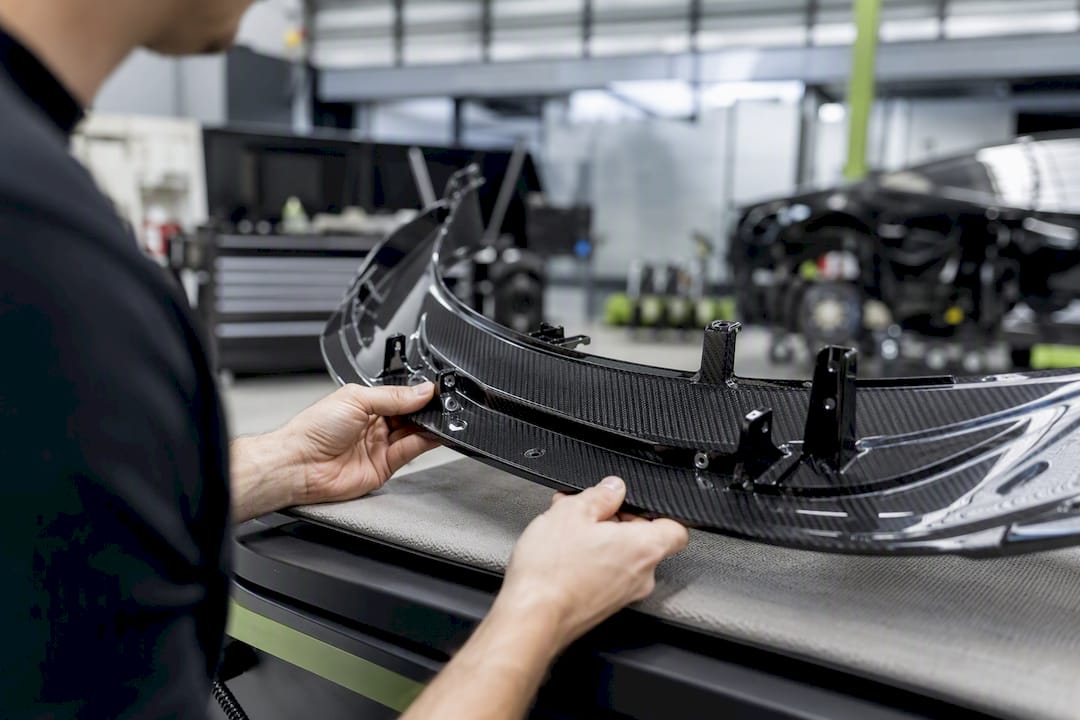
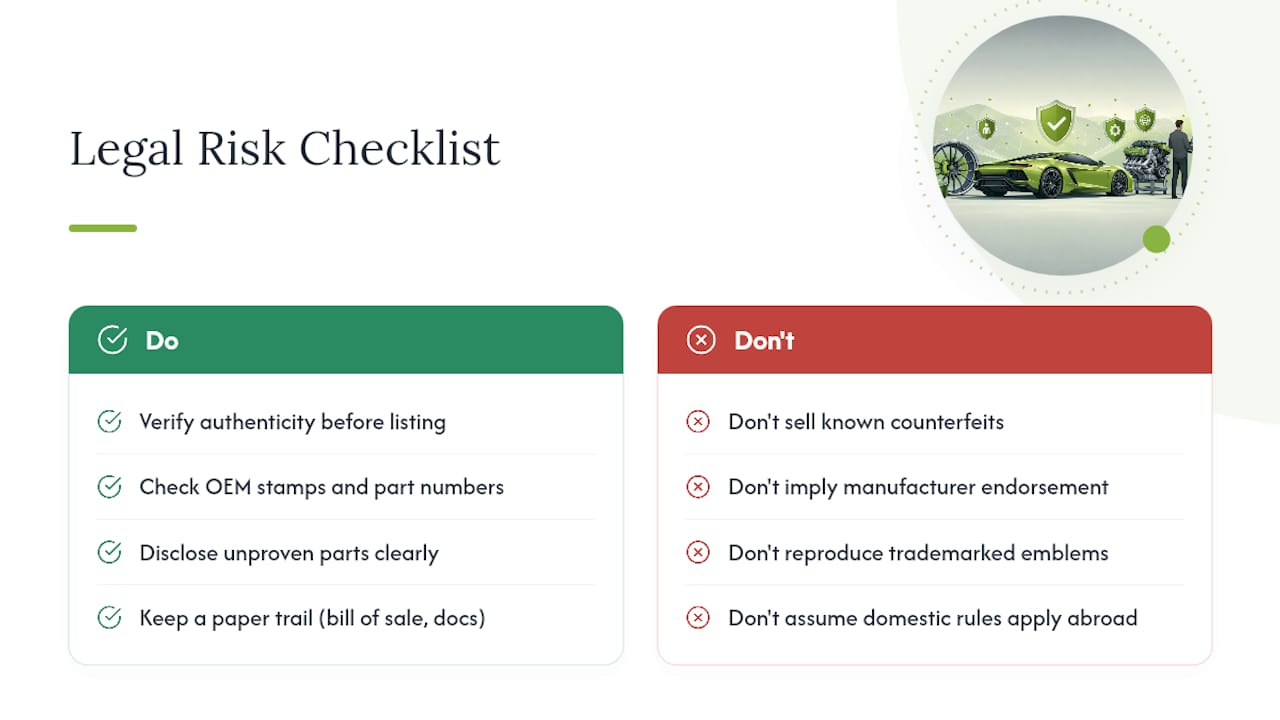
Counterfeit parts are the biggest legal exposure in this market, particularly for carbon fiber body panels, badges, and branded interior trim, where knockoffs circulate widely. Selling a part you know or should know is counterfeit exposes you to liability under trademark and consumer protection law in most jurisdictions, regardless of whether you manufactured it.
Verify authenticity before you list anything sourced secondhand. Genuine OEM parts carry manufacturer stamps, casting marks, or part numbers that match the manufacturer’s own catalog. If a part has no traceable number and no provenance, disclose that clearly rather than implying it’s genuine.
Licensing questions come up most often with branded reproduction parts, badges, and anything carrying a manufacturer’s logo. Reproducing a trademarked emblem without authorization can trigger a claim even if you disclose it as aftermarket. When in doubt, sell the part as “aftermarket, unbranded” rather than risk implying manufacturer endorsement.
Keep a paper trail. A bill of sale, the original owner’s documentation, or a teardown record from the donor vehicle protects you if a buyer later disputes authenticity. This matters more with high-value parts, where a $15,000 sale attracts more scrutiny than a $50 bracket. Selling internationally adds another layer: export rules and import duties vary by country, so confirm what applies to your specific shipment rather than assuming your domestic rules travel with the part.
How Do You Negotiate With Serious Buyers?
Buyers shopping for supercar parts tend to know more than the average car shopper, so vague answers cost you credibility fast. Respond to fitment questions with the actual spec, not reassurance. “Yes it fits” answers nothing; “confirmed fits VIN breaks after chassis number 12000” answers everything.
Set your walk-away price before the conversation starts, not during it. A buyer asking for 20 percent off on a rare part is testing your floor, and if you haven’t decided where that floor is, you’ll cave further than the part’s actual scarcity justifies.
Respond fast, but don’t rush the answer. A same-day reply to a fitment question keeps a serious buyer engaged. A same-day reply with the wrong information sends them elsewhere and torches your credibility for the next inquiry. If you don’t know a spec off the top of your head, say you’ll check and follow up, then actually follow up within hours.
Bundled offers deserve a bundled counter. If someone asks about buying three parts together, quote a package price that reflects a modest discount for volume, not a blanket 30 percent off just because they asked. Most buyers expect some flexibility on multi-item orders but respect a seller who protects margin on genuinely scarce individual pieces.
Write everything down. A quick recap message, “confirming we agreed on $2,400 for the exhaust manifold, shipped insured,” prevents the buyer from renegotiating after the fact and gives you a record if a dispute comes up later.
What Payment Methods Protect You From Fraud?
Payment platforms with built-in buyer and seller protection, the kind marketplaces typically integrate, beat direct bank transfers or person-to-person payment apps for anything over a few hundred dollars. Those apps were built for splitting dinner bills, not covering a $5,000 transmission if a dispute goes sideways.
Watch for the classic overpayment scam: a buyer sends more than the asking price and asks you to refund the difference, banking on you doing it before their original payment reverses as fraudulent. Never refund more than you received, and never ship before payment fully clears rather than just showing as “pending.”
International buyers paying via wire transfer deserve extra scrutiny, particularly on a first transaction. Confirm the buyer’s identity and shipping address match, and consider requiring full payment to clear in your account before you box anything up, especially on parts valued above $2,000.
Chargebacks hit sellers hardest on high-value items shipped internationally, since recovering a part already delivered overseas is close to impossible. Document everything: photos of the part packaged, the shipping label, tracking confirmation, and delivery signature. That paper trail is your defense if a buyer disputes a charge after receiving exactly what they paid for.
Does the Time of Year Affect How Fast Parts Sell?
Spring and early summer consistently move faster than winter across most regions, simply because more owners are pulling supercars out of storage and starting deferred maintenance or upgrade projects. If you’re sitting on a part that’s been slow to move, listing it in February rather than October can change your timeline significantly.
Show season creates its own demand spikes. Buyers prepping a car for a concours event or a summer meet will pay a premium for a part that arrives in time, and they’re often less price-sensitive than someone browsing casually. If you know a major regional car show is coming up, time cosmetic and trim part listings to land a few weeks before it.
Winter isn’t dead time, though. Restorers working on off-season projects, the kind that take months, often buy mechanical and structural parts during colder months precisely because they’re not driving the car and can afford the downtime for a swap. Engine internals, suspension components, and drivetrain parts tend to hold steadier demand year-round than cosmetic pieces.
End-of-year budget cycles matter for professional shops and dealers, who sometimes have remaining budget to spend before their fiscal year closes. If your buyer base includes commercial accounts, a well-timed message in November or December can catch spending that would otherwise lapse.
What Return and Warranty Policy Should You Offer?
State your return policy in the listing itself, not buried in a separate terms page a buyer has to hunt for. A simple structure works: full refund if the part doesn’t match the listed fitment or condition, no returns for buyer’s remorse on made-to-order or custom items, and a clear window, typically 7 to 14 days from delivery.
Warranty expectations differ sharply between new old stock and used parts. NOS parts can reasonably carry a short defect warranty since they’ve never been installed. Used parts sold “as tested” or “as removed” shouldn’t carry a functional warranty beyond confirming they match the condition grade you listed, since wear is expected and disclosed upfront.
Respond to post-sale issues quickly and without defensiveness. A buyer who reports a part doesn’t fit as described deserves a real answer within a day, not silence followed by a dispute filed on the platform. Most fitment complaints trace back to a VIN break or model year the buyer didn’t check carefully, and a quick, calm exchange usually resolves it without a return.
Keep your policy consistent across every listing rather than improvising case by case. Buyers researching a $3,000 purchase will often check your policy and past feedback before committing, and inconsistent terms read as a red flag even when your intentions are fine.
Author Perspective: Practical Pitfalls and Shortcuts
The sellers who struggle almost always share the same three mistakes: no OEM number in the listing, photos that skip the mounting points buyers actually need to see, and grading language that means something different every time they use it. Under-insuring a $4,000 part to save $20 on shipping is the fourth, and it’s the one that actually costs money when a box gets crushed in transit.
The fix isn’t complicated. A standardized photo setup, a saved condition-report template, and a running “garage” file of part numbers by vehicle turn a two-hour listing into a fifteen-minute one, and the consistency alone cuts down on buyer disputes before they start.
— Artem
List Your Supercar Parts on Supercars.parts
Supercars.parts exists for exactly the problem this article walks through: getting a rare, fitment-sensitive part in front of buyers who actually know what they’re looking at. Rather than competing for attention in a general auto parts marketplace where your Lamborghini clutch assembly gets buried under generic sedan brake pads, you’re listing alongside 365,000 other exotic and supercar components, in front of collectors, restorers, and mechanics who search this category specifically.
The AI-driven fitment search does the heavy lifting on the buyer side, matching your OEM number and vehicle data against what shoppers are actually filtering for, so serious buyers find your listing faster and tire kickers self-select out before they message you. That combination of a focused buyer pool and fast fitment matching is what separates a part that sells in days from one that sits for months on a general marketplace.
If you’ve got a part ready to move, Supercars and get it in front of buyers who are already searching for it.